

5 min readNew DelhiUpdated: May 7, 2026 03:37 PM IST
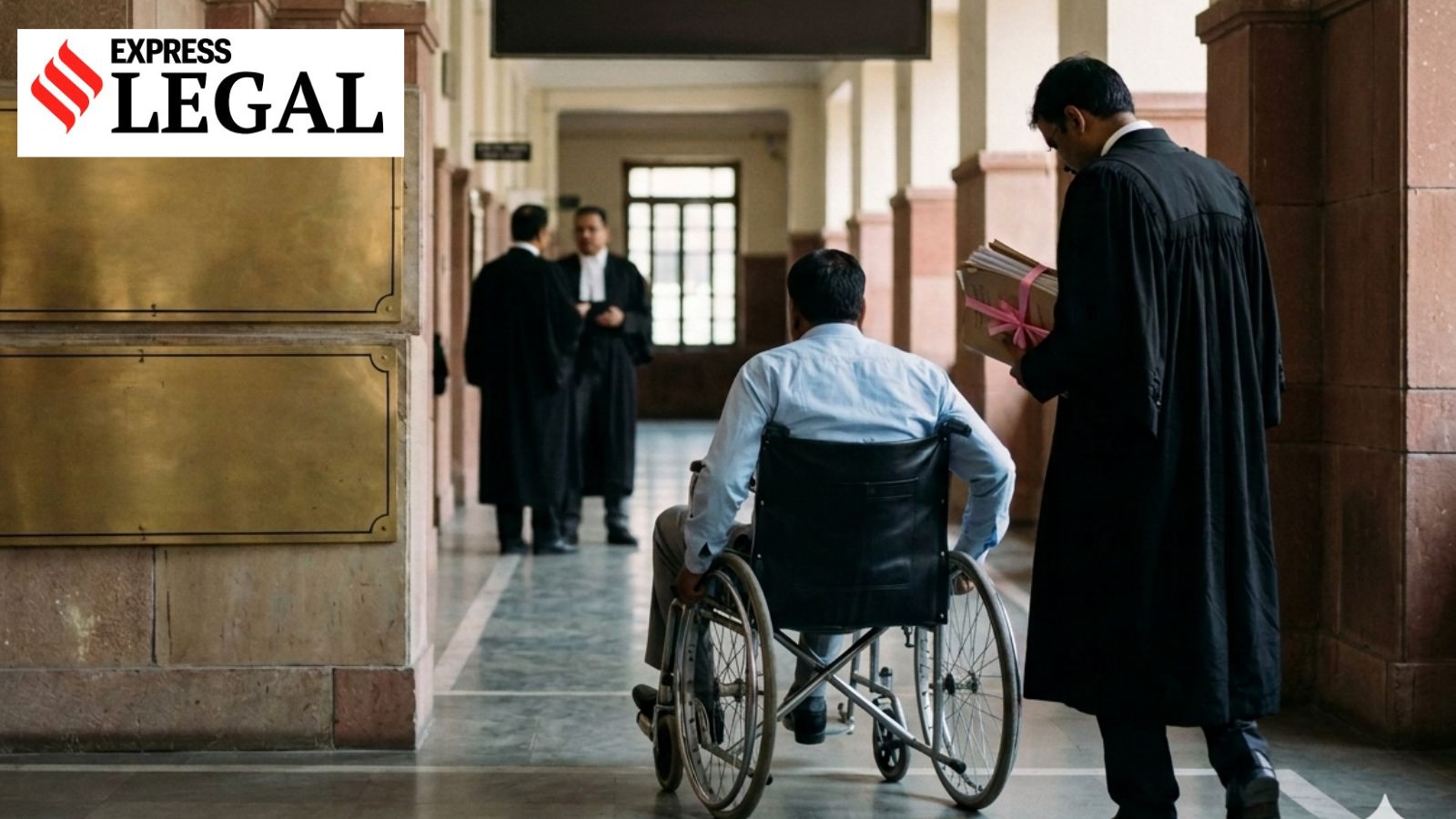
Supreme Court news:The Supreme Court has issued a warning to states and Union territories over delays and inaction in implementing disability rights, setting a final deadline, and cautioning that top officials may be summoned for non-compliance, as it pushes for accountability under the Rights of Persons with Disabilities Act, 2016.
A bench of Justices Vikram Nath and Sandeep Mehta was hearing a batch of pleas led by a petition filed by the Justice Sunanda Bhandare Foundation.

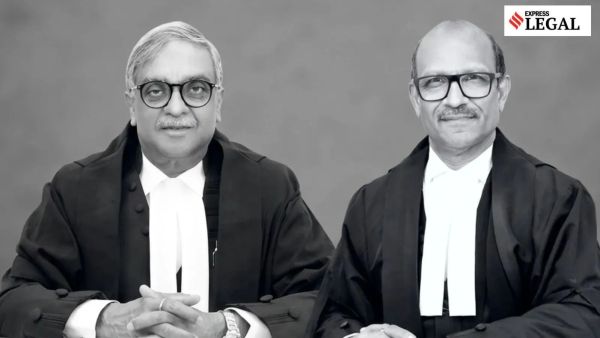 Justices Vikram Nath and Sandeep Mehta posted the matter for further hearing on September 22.
The top court was examining issues relating to the implementation of its earlier judgment dated September 12, 2025, including the appointment of nodal officers and broader compliance with statutory mandates affecting persons with disabilities.
“Such continued inaction not only undermines the authority of this Court but also defeats the very purpose for which the directions were issued. The concerned authorities are, therefore, expected to act with promptitude and a sense of responsibility commensurate with the importance of the subject matter,” the bench said on April 28.
Final deadline for nodal officers
- The Supreme Court noted that despite clear directions issued in September 2025 and on April 15, 2026, several states and Union territories had failed to appoint nodal officers, a key mechanism to ensure coordination and implementation of disability-related policies.
- During the latest hearing, it was informed that most states had complied by April 2026.
- However, the states of Kerala, Jharkhand, Odisha, Arunachal Pradesh, Madhya Pradesh, and Telangana, as well as the Union territories of Puducherry, Lakshadweep Islands, Ladakh, Chandigarh and Andaman and Nicobar Islands, had still not appointed nodal officers.
- Granting a “final opportunity”, the Supreme Court directed that nodal officers must be appointed by May 15, making it clear that no further delay would be tolerated.
- Earlier, the bench had warned that failure to comply could require chief secretaries and senior departmental officials to appear in person with affidavits explaining the delay.
SC · Justices Vikram Nath & Sandeep Mehta · Justice Sunanda Bhandare Foundation petition · April 28, 2026
“Full and effective compliance remains elusive… concerned authorities are expected to act with promptitude and a sense of responsibility.”
— Supreme Court of India, April 28, 2026
Mandated vs. missing — the implementation gap
What the law mandates
RPwD Act, 2016 requires
- Nodal officers in every state & UT
- State funds for persons with disabilities
- Accessibility standards enforced
- Welfare provisions implemented
- Reservation with “own merit” principle
What states are failing at
Persistent compliance gaps
- Nodal officers not appointed in 11 states/UTs
- State funds not established by most states
- Accessibility provisions inadequately enforced
- Welfare mandates inconsistently followed
- Directions ignored since 2017
11 states & UTs yet to appoint nodal officers — deadline: May 15
Kerala
Jharkhand
Odisha
Arunachal Pradesh
Madhya Pradesh
Telangana
Puducherry
Lakshadweep
Ladakh
Chandigarh
Andaman & Nicobar
SC’s enforcement steps: May 15 final deadline for nodal officer appointments · Chief secretaries & senior officials may be summoned if non-compliant · NLUs tasked with “Project Ability Empowerment” compliance monitoring · Next hearing: September 22, 2026.
Court endorses ‘own merit’ principle
The hearing also addressed a key question on reservation policy for persons with benchmark disabilities, whether candidates selected on merit should be counted against reserved quotas.
The Union government placed on record its policy clarifying that candidates who qualify on their own merit, without availing relaxed standards, must be adjusted against unreserved vacancies rather than the quota reserved for persons with disabilities.
Accepting this framework, the Supreme Court endorsed the “own merit” principle, observing that it balances equality with the objective of reservation by ensuring that meritorious candidates are not disadvantaged while preserving benefits for those requiring support.
Story continues below this ad
8 years on, gaps persist
- A status report submitted in the case painted a concerning picture of continued gaps in implementation.
- The court noted that despite repeated directions since 2017, compliance across states and Union territories remained inconsistent.
- The report flagged deficiencies such as failure to establish statutory bodies like state funds for persons with disabilities and inadequate enforcement of accessibility and welfare provisions mandated under the 2016 law.
- The Supreme Court bench observed that nearly eight years after the enactment of the law, “full and effective compliance remains elusive,” underscoring the need for continued judicial oversight.
NLUs tasked with monitoring
The Supreme Court directed national law universities (NLUs) to undertake a detailed, structured assessment of compliance under an initiative titled “Project Ability Empowerment.”
National Law University Delhi has been specifically tasked with mapping compliance by the Union government, with directions that a senior officer from the Department of Social Justice and Empowerment participate in the process.
The court emphasised that the exercise must involve a substantive evaluation of implementation, including enforcement of rights, accessibility measures, and institutional mechanisms, rather than a mere formality.
Next hearing in September
The matter has been listed for further hearing on September 22, when updated reports from the national law universities are expected to be placed on record.
Story continues below this ad
The ruling underscores the Supreme Court’s continued intervention to ensure that statutory protections for persons with disabilities translate into real, enforceable rights on the ground.

© IE Online Media Services Pvt Ltd

