

In a historic first, people born in India have edged past those born in England to become the single-largest overseas-born group in Australia. According to the latest data from the Australian Bureau of Statistics (ABS), released on April 29, the Indian-born population stood at 971,020 as of June 30, 2025, narrowly surpassing the 970,950 residents born in England.
This milestone underscores the profound transformation of Australia’s demographic landscape. With a total population of 27.6 million, the country now hosts 8.8 million overseas-born residents, accounting for exactly 32 per cent of the population, the highest proportion since 1891. The overseas-born cohort grew by 258,000 in 2024-25 alone, driven largely by skilled migration, international education, and family streams from South Asia.

The rise of the Indian diaspora has been nothing short of meteoric. In 2015, the Indian-born population numbered just 449,040, less than half its current size. Over the past decade, it has added 522,000 people, making it the fastest-growing major migrant community in the country. By contrast, the England-born population has declined slightly over the same period. India now accounts for 3.5 per cent of Australia’s total population, with the top overseas birthplaces rounded out by China (731,540), New Zealand (637,680), and the Philippines (412,530).
A young, highly educated, and entrepreneurial force
Australia’s Indian communities are not merely growing in numbers; they are distinguished by their youth, educational attainment, and economic dynamism. According to a comprehensive 2025 statistical snapshot prepared by the University of Queensland for the Department of Foreign Affairs and Trade (DFAT), approximately 68-70 per cent of Indian-born arrivals since 2006 hold an undergraduate degree or higher, far exceeding the national average. Associate Professor Elin Charles-Edwards of UQ, co-author of the report, described the group as “incredibly educated”, noting that their median age of 36.1 years stands in sharp contrast to the ageing post-war migrant cohorts from Europe (often in their 60s and 70s).
This skilled profile has translated into outsized economic contributions. Indian-born migrants boast an employment rate of 85.3 per cent, higher than the 80 per cent average for all overseas-born residents. Entrepreneurship is surging: the number of Indian-origin business owners and managers has risen sharply, particularly in technology, healthcare, logistics, and professional services. In Sydney’s western suburbs and Melbourne’s outer growth corridors, Indian-led startups and family enterprises are driving local economies, leveraging global diaspora networks that span the US, UK, Canada, and Singapore.
The DFAT-UQ report projects that the Indian-born population will more than double to 1.7 million by 2041, surpassing one million as early as 2026. This growth is expected to amplify the community’s already significant role in bilateral trade, innovation, and people-to-people ties between Australia and India.
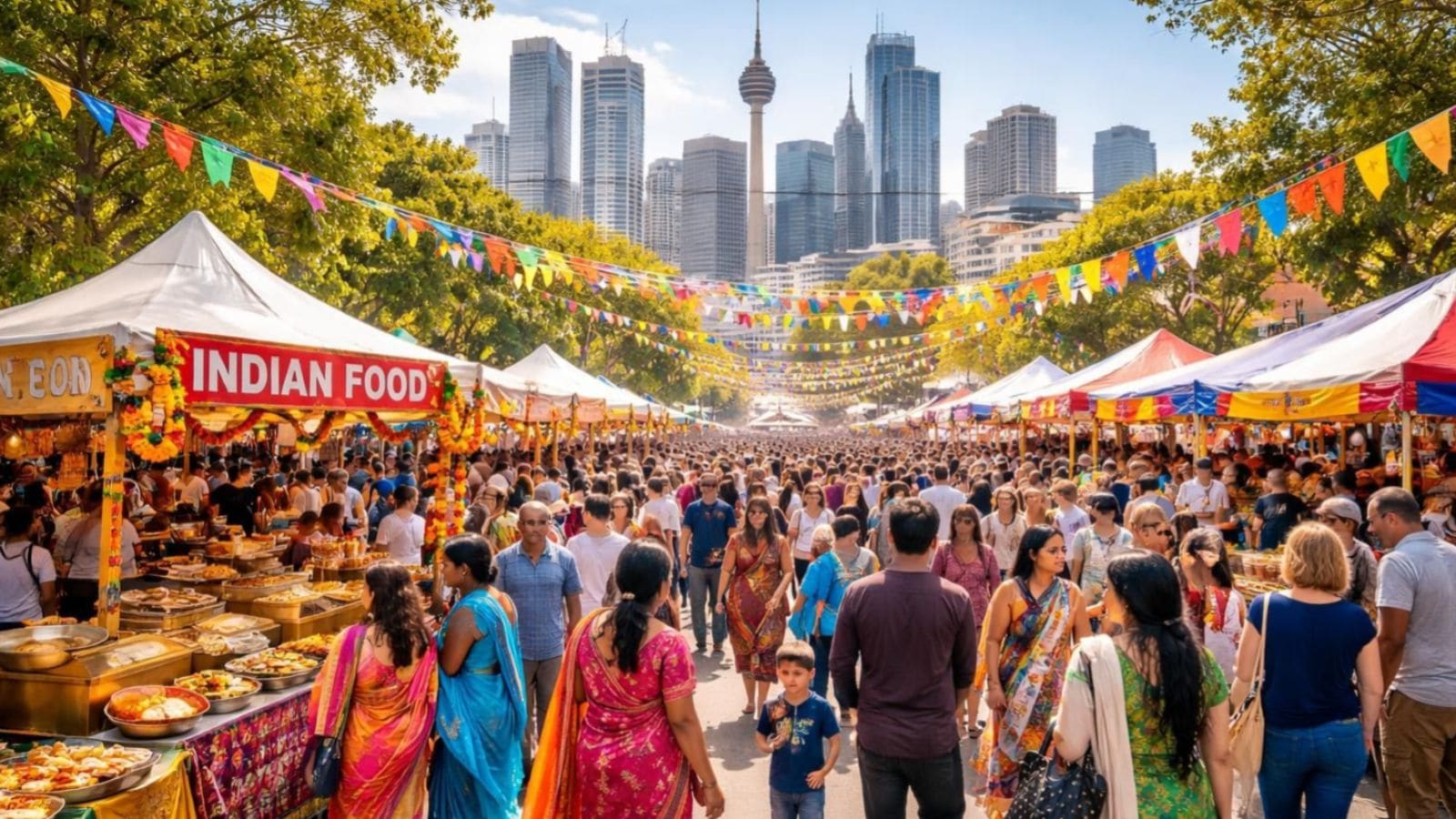
Culturally, the community has enriched Australia’s multicultural fabric. From vibrant Diwali celebrations and Tamil New Year events to the establishment of “Little India” precincts in Harris Park (Sydney) and Dandenong (Melbourne), Indian festivals, cuisine, and arts have become mainstream.
Story continues below this ad
Economists like KPMG’s Terry Rawnsley note that newer migrant groups from India and Nepal are younger and more urban-focused compared with earlier European waves, reshaping housing demand, labour markets, and suburban growth patterns.
Pawan Luthra, a leading voice in the community and publisher of India Link, captured the sentiment: there is “a sense of pride” in the achievements of Indian-born leaders across business, politics, and academia.

