

3 min readNew DelhiJun 21, 2026 05:00 AM IST
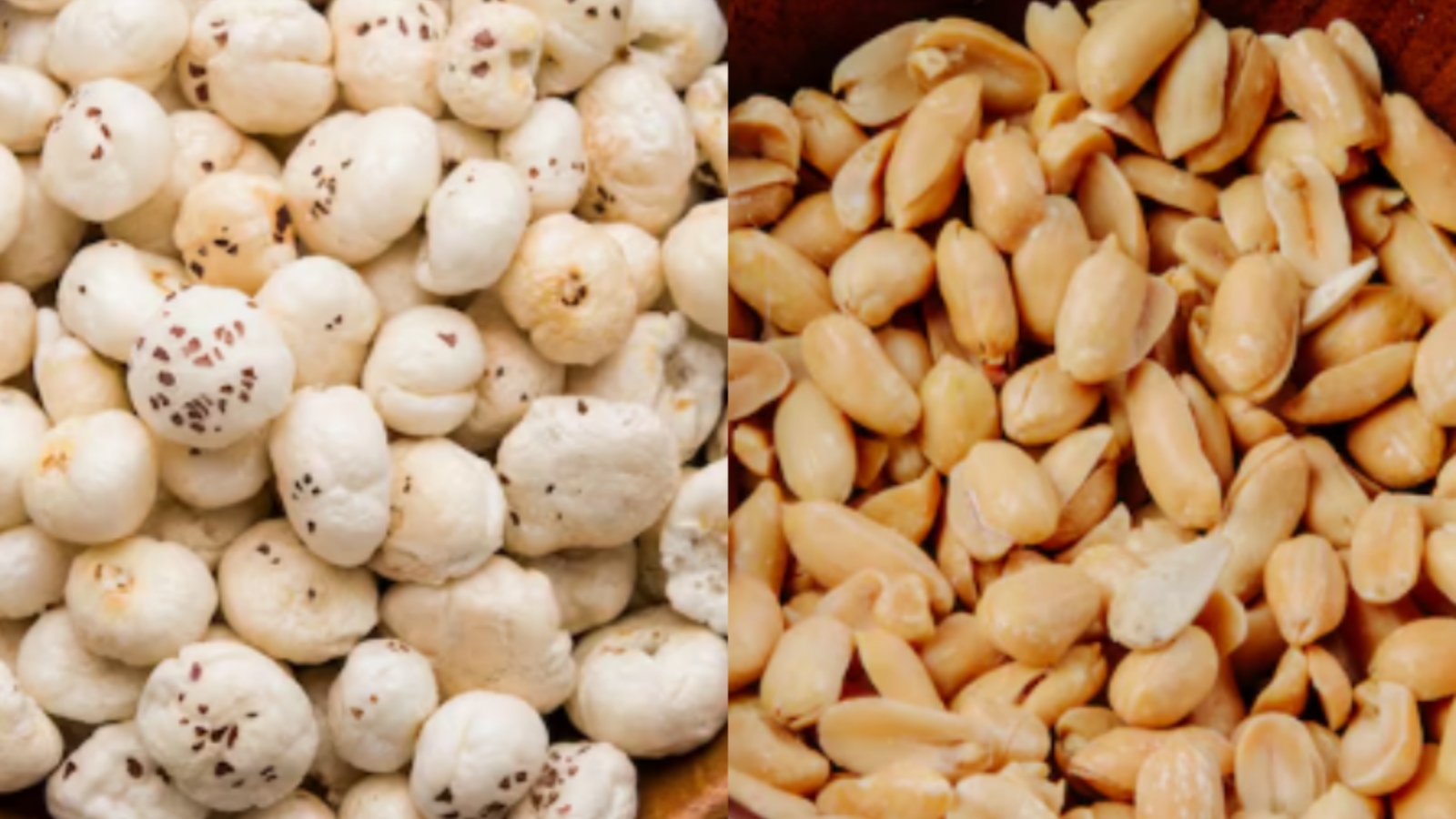
When hunger strikes between meals, the snack you choose can make or break your weight loss efforts. Two popular Indian options, peanuts and makhana (fox nuts), are often seen as healthy picks. But which one actually works better? According to Dt Shalini Bliss, the answer isn’t as simple as picking one over the other.
Calories vs nutrition
“Both peanuts and makhana can be good snack options for weight loss, but the better choice depends on portion size and individual needs,” says Bliss. She explains, “Peanuts are higher in calories because they are rich in healthy fats, while makhana is lighter and lower in calories per serving.”

“If someone is looking for a low-calorie, volume-based snack, makhana may be a better option,” she adds. However, peanuts bring their own benefits. “They offer more protein and healthy fats, which are also important for weight management when eaten in controlled portions.”
DISCLAIMER:This article is based on information from the public domain and/or the experts we spoke to. Always consult your health practitioner before starting any routine.
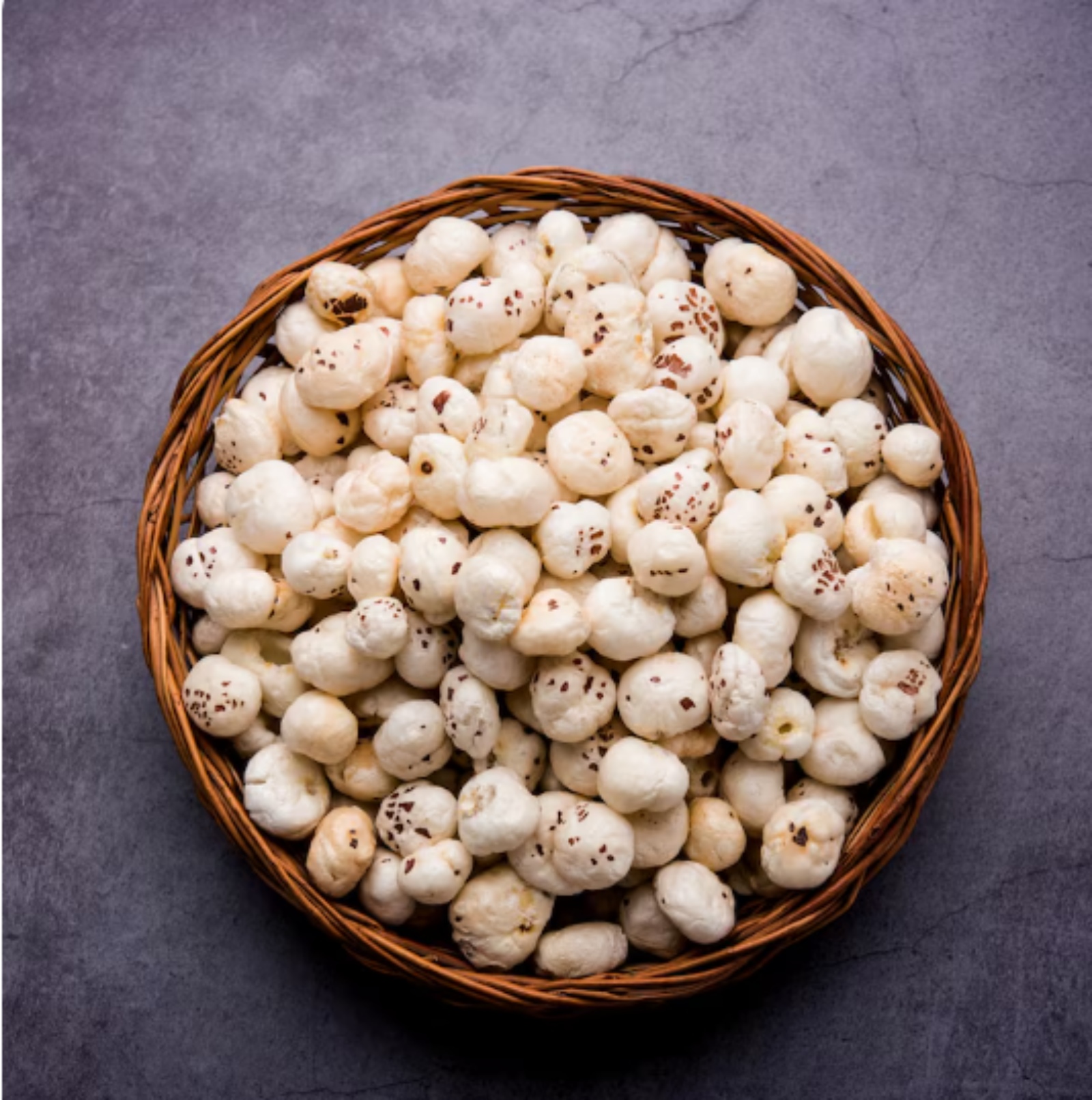 A bowl of Makhana (Photo: Freepik)
Which keeps you full for longer?
“Peanuts tend to keep you fuller for longer because of their combination of protein, healthy fats, and fiber,” explains Bliss. “These nutrients slow digestion and reduce hunger.”
On the other hand, makhana may not be as satisfying in the long run. “It is light and crunchy, making it easy to eat in larger quantities, but it may not provide the same level of long-lasting satiety,” she says.
How to include them without overeating
The biggest mistake people make? Mindless snacking. “The key is portion control and mindful eating,” stresses Bliss.
Story continues below this ad
For peanuts, moderation is crucial. “A small handful—about 20–30 grams—is enough to gain nutritional benefits without excess calories,” she advises, adding, “It’s best to choose plain or roasted peanuts instead of salted or fried versions.”
Makhana, too, needs smart preparation. “Roasting them at home with minimal oil and avoiding heavy seasoning helps keep them healthy,” she says. Bliss also recommends a simple habit: “Measure your portions instead of eating directly from the packet and pair these snacks with a balanced diet.”
DISCLAIMER:This article is based on information from the public domain and/or the experts we spoke to. Always consult your health practitioner before starting any routine.

