

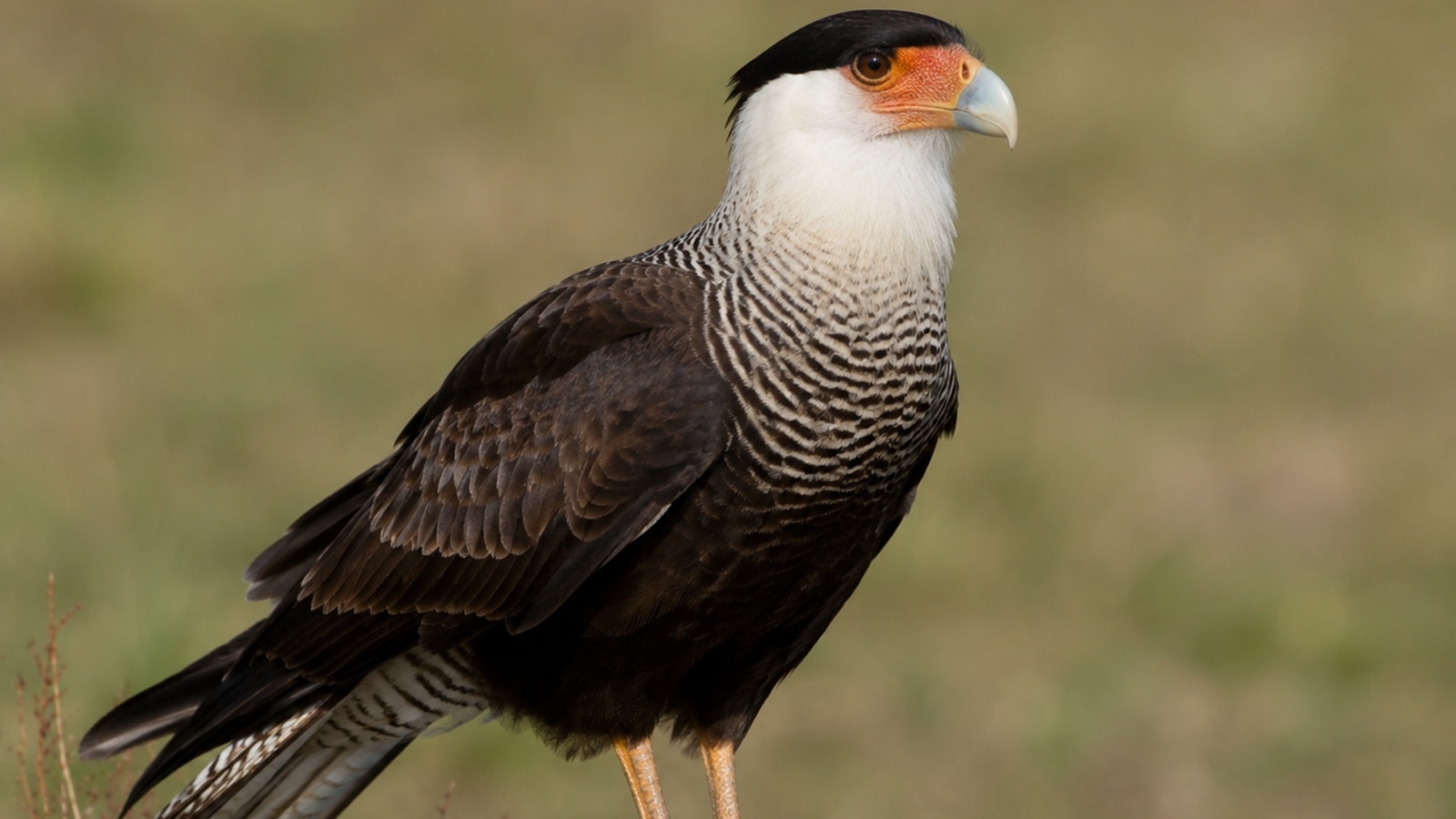
Driven by a lifelong passion for rare birds, Dutch ornithologist Leo Schilperoord travelled to a landfill on the outskirts of Argentina’s Ushuaia city in hopes of spotting the elusive white-throated caracara, also known as Darwin’s caracara after naturalist Charles Darwin. According to a report by The New York Post, the 70-year-old scientist later became identified as “patient zero” in a deadly hantavirus outbreak linked to the cruise ship MV Hondius. Authorities suspect he may have inhaled virus particles from rat droppings at the landfill, which was reportedly known as a hotspot for the Andes strain of hantavirus, the only form known to spread between humans.
The incident has brought renewed attention not only to hantavirus risks in wildlife-heavy environments, but also to the fascinating, lesser-known bird that Schilperoord travelled to observe. Darwin’s caracara is a striking bird of prey found mainly in the Falkland Islands and parts of southern South America. Unlike many raptors, it is known for its unusual intelligence, curiosity, and scavenging behaviour. Its adaptability and opportunistic feeding habits have long intrigued bird researchers and wildlife enthusiasts alike.

DISCLAIMER: This article is based on information from the public domain and/or the experts we spoke to. Always consult your health practitioner before starting any routine.
But what behavioural traits make Darwin’s caracara stand out from other raptors
Dr Deepraj Prajapati, Senior Veterinarian at RD Pet Hospital Ambeddkar Nagar, tells indianexpress.com, “Darwin’s caracara stands out because it displays an exceptional level of curiosity and problem-solving behaviour that is uncommon among raptors. Unlike many birds of prey that remain cautious and distant, this species is known to actively approach humans, inspect unfamiliar objects, and adapt quickly to changing situations.”
From a behavioural science perspective, he notes that such traits indicate high cognitive flexibility. Researchers and birdwatchers are fascinated by the species because it challenges traditional assumptions about predatory birds being purely instinct-driven and highlights how intelligence evolves in isolated ecosystems.
Role of changing habitats, waste sites, and human activity in shaping the behaviour and survival of such birds
“Human activity significantly influences scavenger species like Darwin’s caracara because these birds are highly opportunistic feeders,” explains Dr Prajapati, adding that expanding waste sites and altered landscapes can create easy food access, which may initially support population survival, but it also changes natural foraging behaviour and increases dependency on human-generated resources.
“Over time, this can expose birds to toxins, plastic ingestion, disease transmission, and conflict with humans. Habitat disturbance also affects breeding patterns and ecosystem balance, making long-term conservation more complex despite short-term adaptability,” mentions the expert.
Story continues below this ad
Precautions people should take
Anyone working in remote wildlife environments should treat zoonotic disease exposure as a serious occupational risk.
“Protective clothing, gloves, masks, and proper footwear are essential, particularly in areas where rodent droppings, carcasses, or contaminated soil may be present. It is equally important to avoid direct contact with wild animals, refrain from eating in contaminated zones, and maintain strict hand hygiene. From a veterinary and wildlife health perspective, awareness training and updated vaccinations, where applicable, are critical because many wildlife-linked infections are preventable when basic biosecurity protocols are followed consistently,” recommends Dr Prajapati.
DISCLAIMER: This article is based on information from the public domain and/or the experts we spoke to. Always consult your health practitioner before starting any routine.

