

3 min readNew DelhiUpdated: Jul 10, 2026 12:02 PM IST
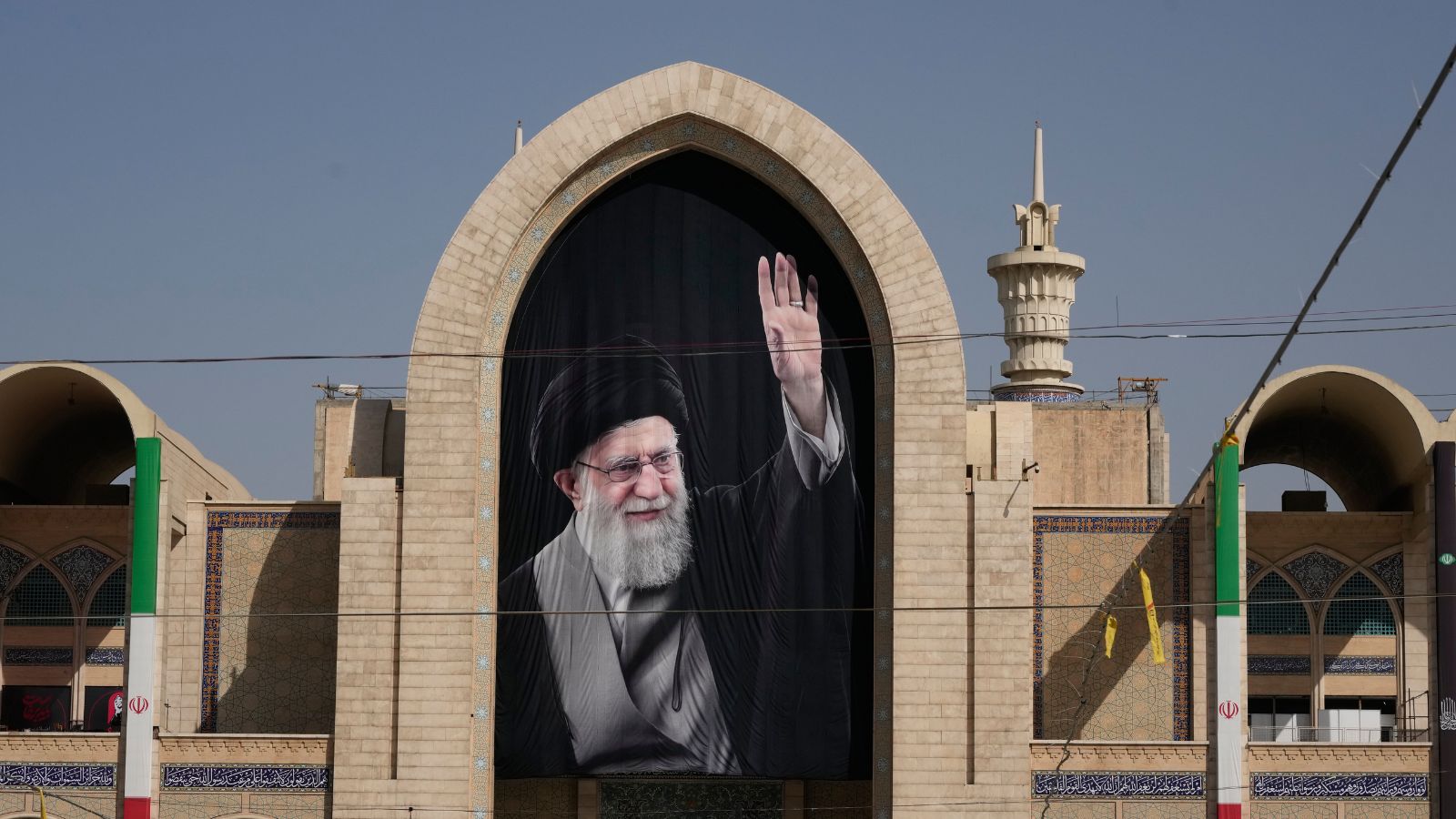
The Allahabad High Court recently refused to entertain a public interest litigation (PIL) seeking directions to prevent the Uttar Pradesh Police from allegedly interfering with the peaceful display of portraits of Iranian leaders, including its late supreme leader Ayatollah Seyyed Ali Khamenei, on private properties.
Examining the petition, a bench of Justices Rajan Roy and Manjive Shukla observed that the plea contained general and vague statements regarding police interference and said a PIL cannot be proceeded with on such submissions.

“General and vague averments have been made regarding police interference and removal of posters of certain religious leaders of Iran, who are dear to the Shia community illegally,” the order dated July 7 read. It further noted that no specific instance was shown to the court with respect to any house or premises where the poster may have been pasted, installed, or removed, nor was it demonstrated how it had been done.
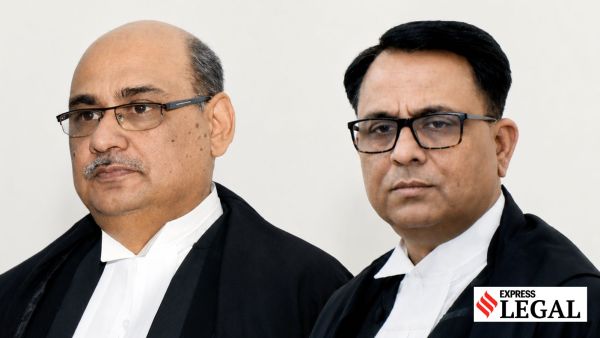 Justices Rajan Roy and Manjive Shukla refused to entertain the PIL.
The court, however, added that if any individual has a specific grievance against any police officer under any provision of law, legal remedies are available. “If there is any specific cause against any such police person under any provision of law, then the remedy prescribed in this regard can be availed, but we see no reason to consider such an omnibus prayer based on such averments,” the court remarked.
Iranians on Thursday buried Ali Khamenei, who was killed in US-Israeli airstrikes in February, at the country’s holiest shrine in Mashhad. His son and successor, Mojtaba Khamenei, still remains away from public view after reportedly being disfigured in the strikes. The burial of Ali Khamenei in northeast Iran comes after a week of mass funeral processions, mourning and rallies across the country amid renewed hostilities in the West Asia region between the United States and Iran.
What plea contended
The plea, filed by Majlis Ulema-E-Hind, alleged that police authorities across Uttar Pradesh were unlawfully interfering with the peaceful display of portraits of prominent Shia religious leaders from Iran, particularly Khamenei and Ayatollah Seyyed Ali Al-Sistani, during religious mourning gatherings.
It sought a direction to all district police heads, superintendents of police, and station house officers across the state to immediately cease and desist from taking any coercive action or executing detentions against individuals ‘peacefully displaying portraits’.
Story continues below this ad
The plea also sought directions that the police machinery be immediately restrained from interfering with, dismantling, or seeking the removal of portraits, banners, or visual representations of recognised global spiritual leaders, including Ayatollah Seyyed Ali Khamenei and Ayatollah Seyyed Ali Al-Sistani, when displayed lawfully and peacefully by citizens on the walls, gates, or precincts of their private residential properties or private commercial establishments.
Ayatollah Ali Khamenei: From Prisoner to Supreme Leader
35+ Years
as Iran’s Supreme Leader, since succeeding Ayatollah Khomeini in 1989
Key Milestones
Born in Mashhad, second of eight children in a cleric’s family
Pursued clerical studies in Qom
Joined Ayatollah Khomeini’s movement against the Shah
Imprisoned multiple times by the Shah’s regime
Emerged as a key figure in the Iranian Revolution
Served as President, steering Iran through the Iran-Iraq War
Succeeded Khomeini as Supreme Leader
Remains Iran’s highest authority, decades after his first imprisonment
Ayatollah Ali Khamenei, who led Iran for over three decades, rose to prominence during the 1979 Islamic Revolution that overthrew the Shah. After the death of Ruhollah Khomeini in 1989, he was appointed the supreme leader, despite not holding the highest clerical rank at the time.

