

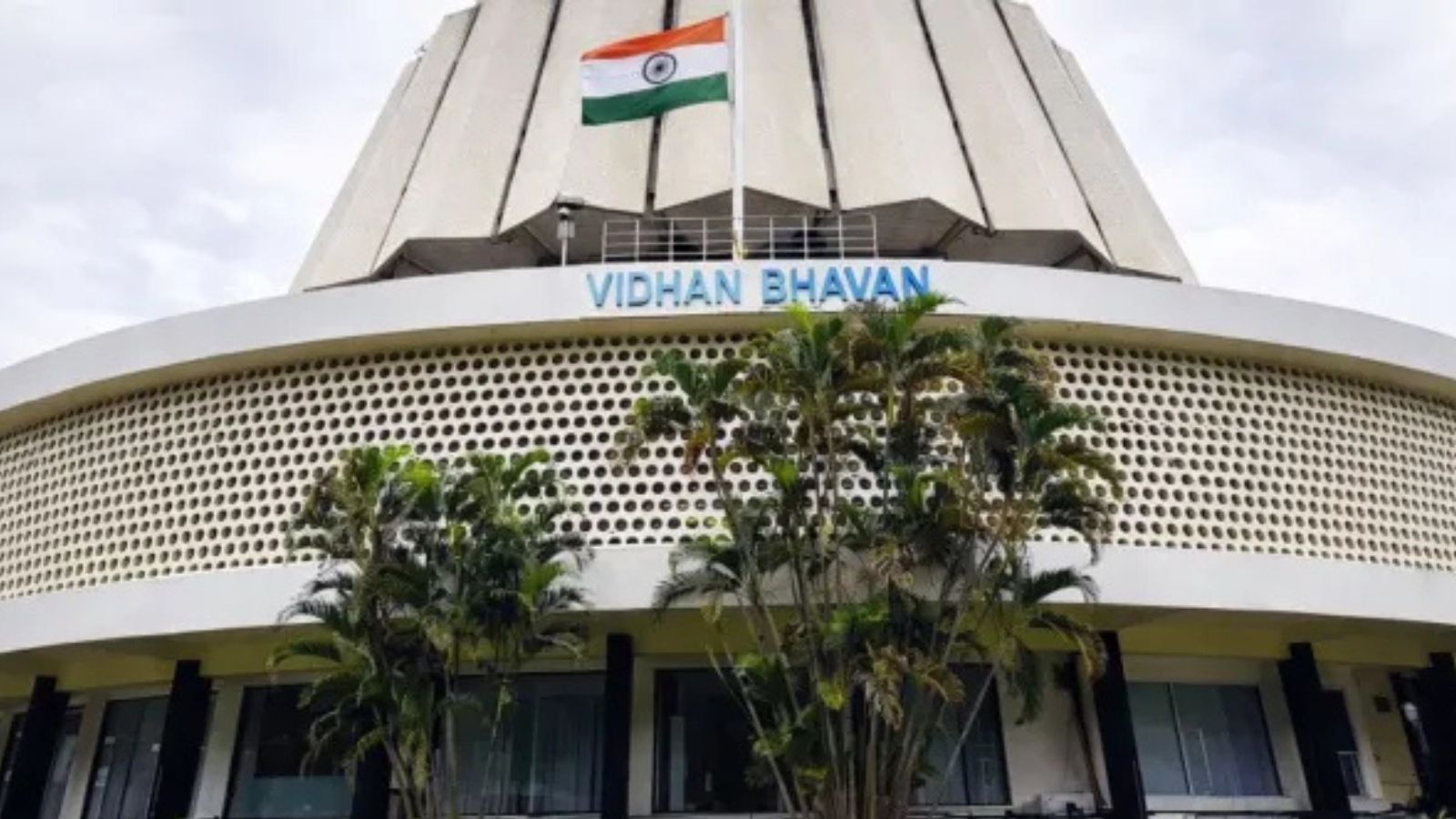
The Maharashtra Legislative Council on Wednesday, July 8, passed key amendments to the Bharatiya Nagarik Suraksha Samiti (BNSS) – the legal framework for criminal procedure in India, which regulates the procedure for investigation, inquiry and trial of offences under criminal law – from gathering evidence to presenting it in a criminal trial. The state of Maharashtra proposed amendments to some of the provisions to the Central law which were later passed by the Legislative Council (yet to be passed by the Legislative Assembly).
Section 15 of the BNSS grants powers to certain officials, not below the rank of Superintendent of Police (SP), for certain operational roles in investigations. The state has proposed to change this to an Assistant Commissioner of Police (ACP), stating that this post is more relevant in investigations. While the ACP also is a senior post, it is a lower rank that the Superintendent.

Section 98 has provisions for the state government to forfeit or seize any newspaper, book, or document, which publishes content that violates certain criminal laws, including those which ‘endanger sovereignty, unity, integrity’ of the nation, or promote enmity between religious groups, harm national integration, or are obscene in nature. The amendment proposes to include electronic and digital records, which would mean bringing online content, including news websites, and social media., in its ambit.
Section 170 of the BNSS grants power to the police to make preventive arrests to prevent commission of cognizable offences. The section states that a police officer “knowing of a design to commit cognizable offences” may arrest the suspect without orders and a warrant, if it appears that the offence cannot be prevented if the said individual is not detained.
The section states that the individual can be detained for not more than 24 hours before being produced before a court. The amendment has a provision for the judicial magistrate to order detention of the person for a period of 15 days at a time, but not beyond 30 days, if the circumstances are such that the person, if released, can cause an issue in the maintenance of public order.
With the proposed amendment, Section 482 on anticipatory bail makes it mandatory for the person seeking bail to remain present before the court during the final hearing and order.
Other laws relate to the rank of officials who have powers to attach properties (Section 107), including those of the Narcotic Drugs and Psychotropic Substances Act (NDPS) Act offenders, who can be asked to sign a bond of good behaviour, violation of which can lead to preventive detention (Section 129).
Story continues below this ad
Can states amend Central laws like that?
State legislatures can make such amendments since criminal law is a subject in the concurrent list of the Constitution. They, however, have to make sure that the amendments do not conflict with the Central law.
When the Union government had introduced laws to replace the existing Indian Penal Code (IPC), the Code of Criminal Procedure (CrPC) and the Indian Evidence Act in 2023, a number of states had written to the Union Home Ministry, suggesting changes and seeking clarity on the existing procedural safeguards in states.
Maharashtra has in the past made amendments to existing criminal laws – For instance, the punishment under Section 353 of the IPC, which criminalizes the use of force against public servants on duty, was increased from two years to five years.
In March, the legislature had passed a Bill to amend the Bharatiya Nyay Sanhita (BNS) to include sections it had proposed in a Shakti Act, aimed at curbing crimes against women.
Story continues below this ad
The amendments can be struck down by the courts if they conflict with the Central laws. The Bill states that some of these provisions existed in the state Act before the BNSS was amended in 2023 by the Central government.
How did the Opposition react to the amendments to the BNSS?
The Opposition has expressed concerns on the amended duration of the preventive arrest, from 24 hours to a maximum of 30 days, saying they could be used to target leaders or political party members during elections or protests.
Others pointed out that lowering the requirement of police ranks for certain roles in investigations could also be misused at the police station level.
The ruling Bharatiya Janata Party (BJP) leader Pravin Darekar said that the provision, which makes presence before the court mandatory for an individual seeking anticipatory bail, should not be used against innocent persons for any kind of harassment.

