

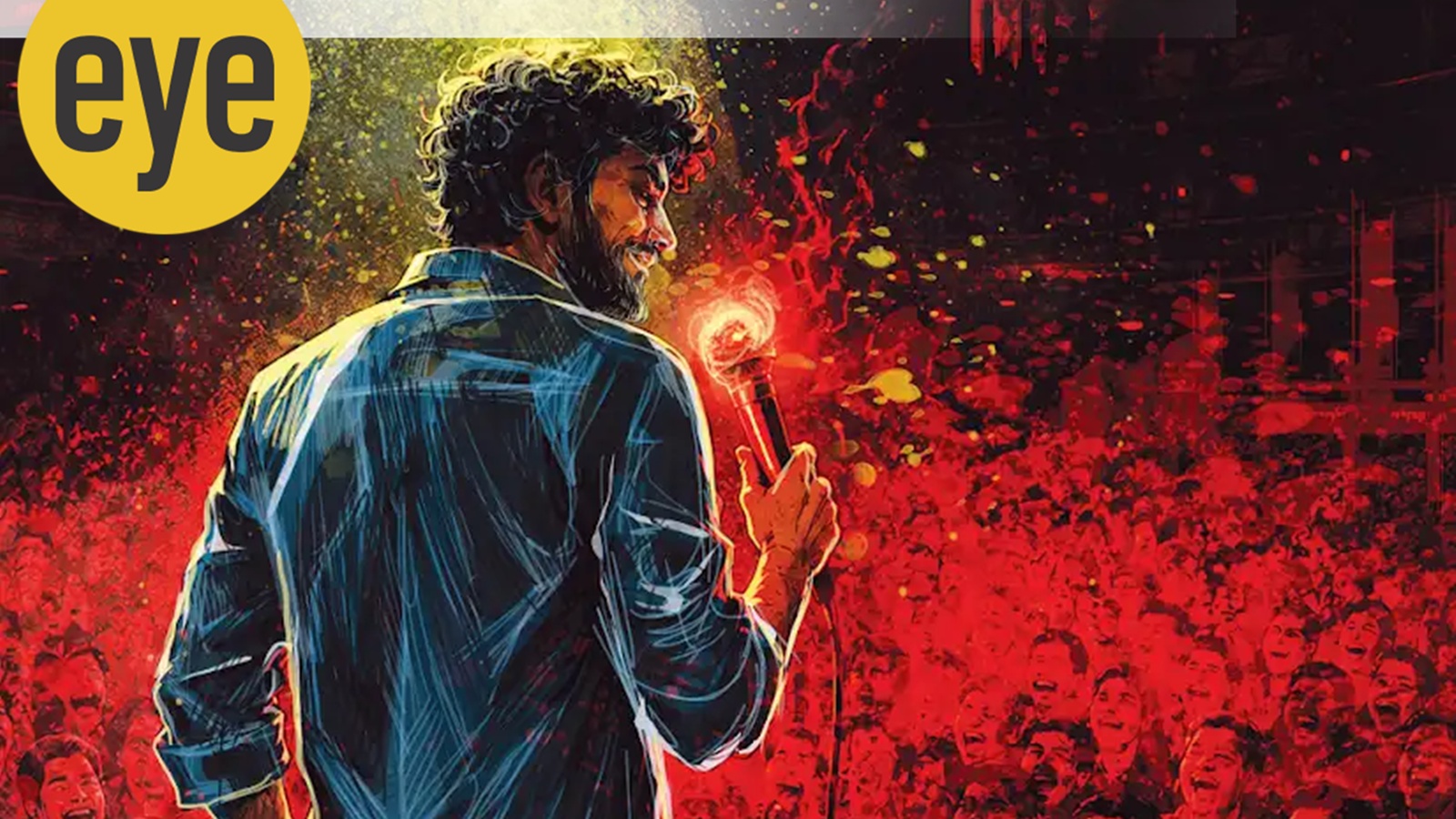
Mumbai-based marketing professional Harshita Vaishnav, 35, attends comedy shows frequently, from open mics featuring new voices to evenings where seasoned comedians come to test new material. For her, one of the highlights of the show is when the stand-up comedian singles her out in the crowd and puts the spotlight on her. She describes it as her “two minutes of fame.” Many feel the same. For the audience and comics alike, this is the showstopper. From comedy clubs to our social media feed, crowd work — that part of the act when the comic interacts with the audience — is everything, everywhere, all at once: the side act that has now become the main character.
“There has never been any line that one has to toe during crowd work. It is interactive, entertaining and offers me a break from the hustle of life. Also, I have always found it very cool that people are being paid to be themselves,” says Vaishnav, who is also a content creator.

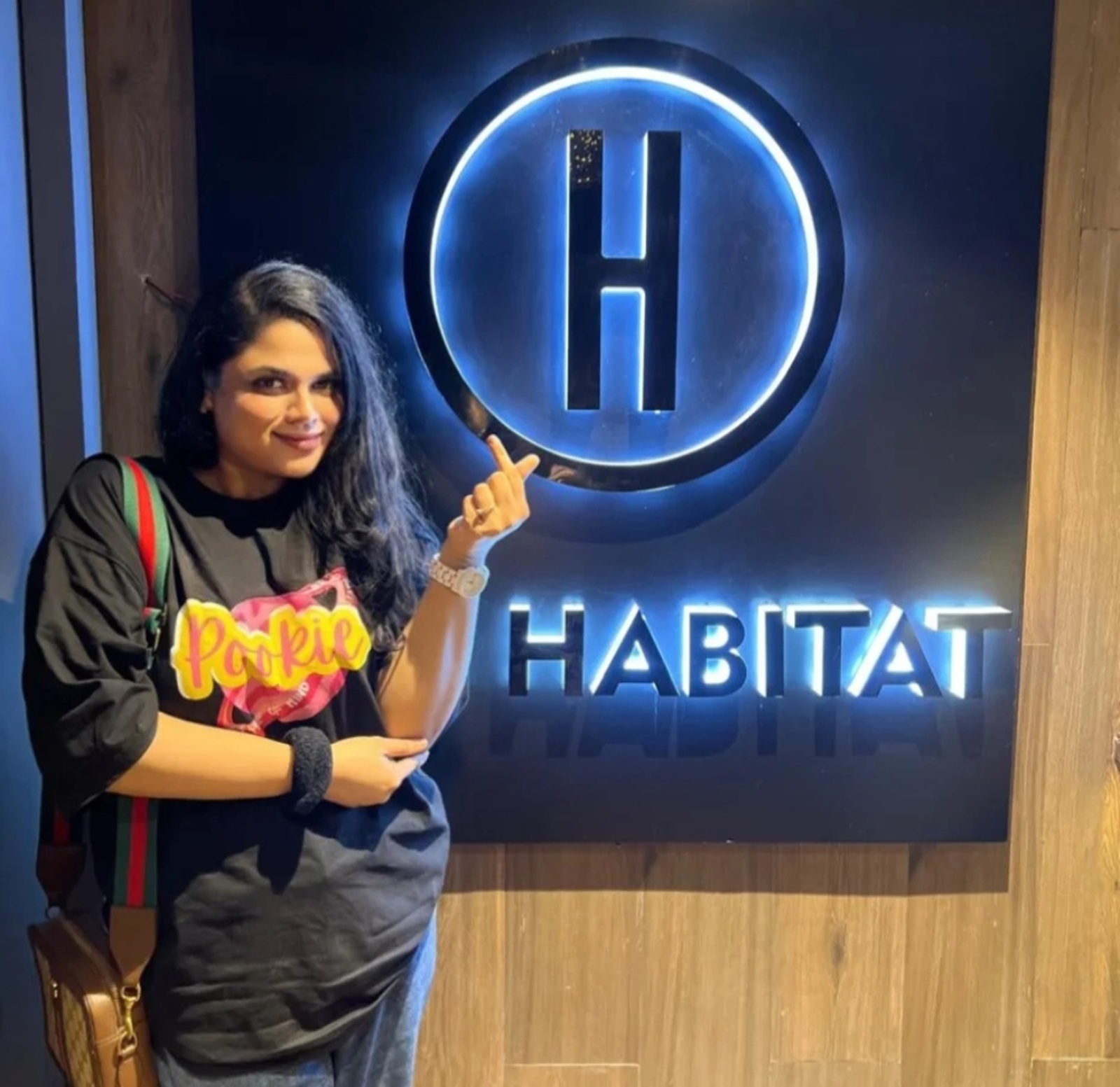 Harshita Vaishnav
She has participated in much crowd work, including in Koffee Kalesh by Rohan Gujral, where the Mumbai-based comedian makes the audience debate subjects like ‘Delhi vs Mumbai’, ‘Arranged vs Love Marriage’. Participation is random and volunteers are picked up from the crowd.
She has been in rooms where the jokes have been offensive, but she says the pace seldom leaves time for reflection. “There is simply no time to register it. Even if somebody cracks an offensive joke, by the time you realise it, they have already moved on to the next joke and you are laughing with them. Plus, you are also going there to let loose, so you don’t mind it.”
She remembers attending a show where a plus-size male comedian repeatedly made body-shaming jokes on women, including one that was particularly offensive. “Had those clips gone online, there would have been a lot of outrage,” she says. “But in that room, there was none. I have a plus-size body and, perhaps, because nobody has spared me, including my own mother, it didn’t offend me.”
What happened at Pranit More’s show, she adds, also became a problem only after it was released online. The recent controversy where a Gurugram-based 22-year-old man spoke about buying a Rs 370 biryani for his date and expecting something in return, during crowd work on More’s show, has put the spotlight on the art form itself.
From comedy clubs to Tik Tok
Crowd work is a sub-genre of stand-up where the comedian spontaneously interacts with the audience: asking where someone is from, riffing on a couple’s dynamic, reacting to the room’s energy in real time. Unlike prepared material, it is largely improvised and relies on quick thinking, timing and the ability to respond in the moment. “Crowd work is essentially for you to get to know the audience. As the host of a show, these people have come into your space, and your job is to make them feel welcome, warm them up, so that by the time the main acts come on, they are ready to laugh,” is how most comedians describe it.
Balraj Singh Ghai, founder of the Mumbai-based popular comedy venue, The Habitat, compares it with improv. “The closer comparison for crowd work is actually improvisational comedy where you take suggestions from the audience and build scenes on the spot. For some performers, that spontaneous wit is the higher art form. For others, it’s the writing, and that’s where stand-up lives,” says Ghai. The core skill, he adds, is “reading the room — knowing who the material is for, when someone hasn’t liked something and how to win them back. That’s a muscle. It develops with time.”
The art form is arguably as old as live comedy itself. But in modern history, the late American stand-up comedian and actor, Donald Jay Rickles (1926-2017), who rose to fame in the ’50s and ’60s, is said to have built much of his reputation on crowd interaction, making fun of everyone for over six decades, including American entertainer Frank Sinatra. Then, there is the late comedian-actor Robin Williams, who kept doing stand-up at comedy clubs to keep his improvisational skills sharp, even after his television career took off. Many comedians count them among the pioneers of modern crowd work.
It, however, exploded globally more recently with TikTok. “There was an American comic called Matt Rife who built a massive following on crowd-work clips. I saw it myself how tickets for his shows were going for 750 pounds for resale in London,” says a Mumbai-based comedian, adding that his popularity got him a Netflix special (Natural Selection, 2023) where he opened with a joke about domestic violence. In 2023, Rife was pulled up by the audience for that joke as well as by his ex for body shaming her on a podcast.
In India, comedians say platforms such as Instagram Reels and YouTube Shorts changed the game: Posting their best-prepared jokes online could “burn” the material and reduce ticket sales while crowd work clips engaged audiences without spoiling future sets.
A leading comedian, speaking on condition of anonymity, puts it plainly: “If you are doing a 60-minute show, it takes a year to write 60 minutes of material. Additionally, you need to come up with 10 to 20 minutes of new jokes every week, if you want to keep feeding the algorithm. So what do you do? You hand the mic to the audience.”
Sahil Shah, who has been doing comedy since 2010, agrees. “Crowd work has always been a natural extension of stand-up. We did it a lot when we all started out because it makes the audience feel like they are part of the show. Earlier, it was used only to warm up the crowd before the actual jokes came. Viral crowd-work clips changed the game,” says 35-year-old Shah, a founding member of East India Comedy.
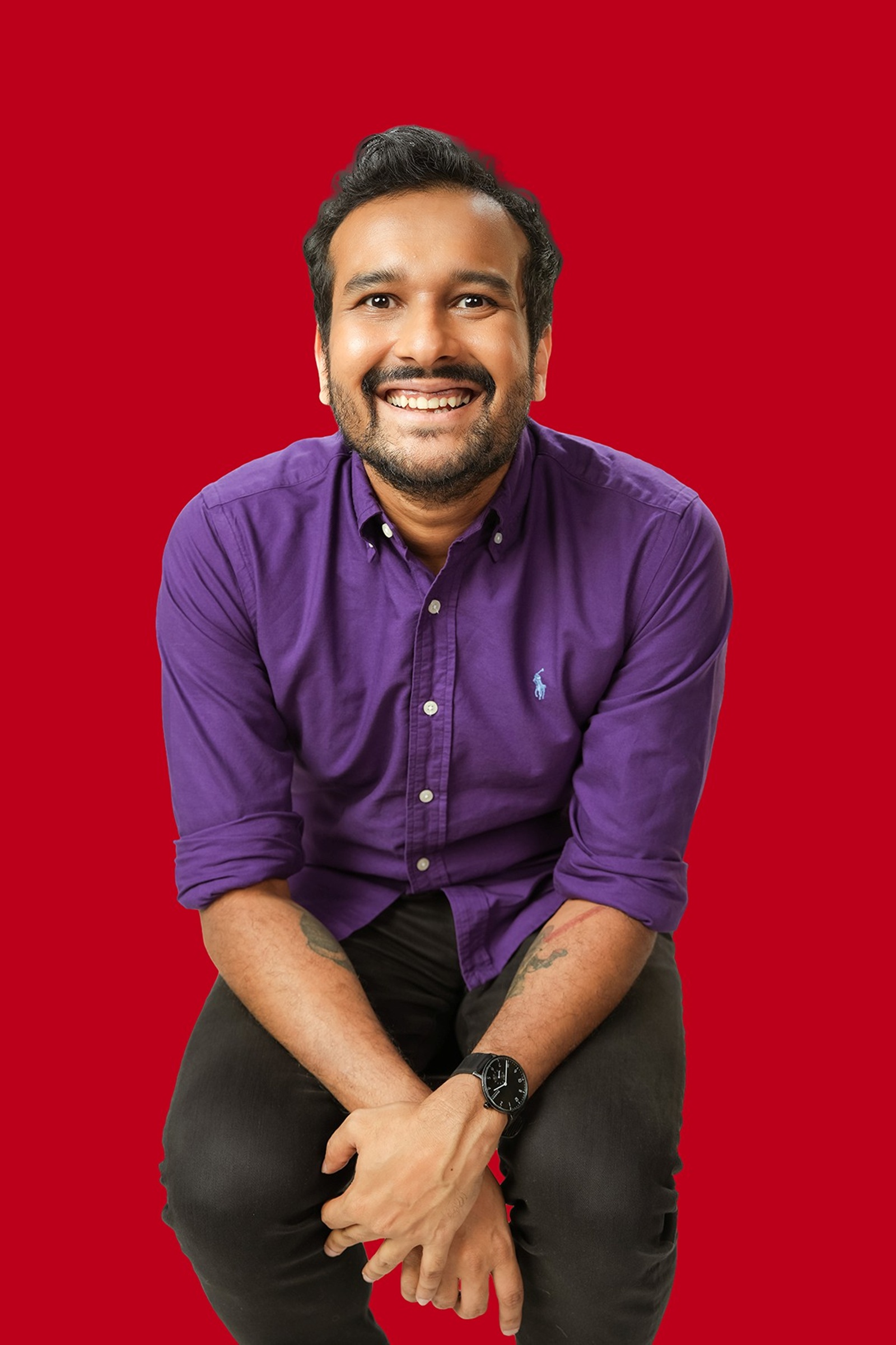 Sahil Shah
Crowd work, he adds quickly, is not easy though. “You have to be on the spot and have a presence of mind.” What makes it work, he says, is that every crowd interaction is different; it’s a new joke every time. “Comedy works on surprise and once a joke is out, the surprise is gone. That’s why crowd work is easy to release, you can always be surprised by what someone says.”
Crowd work is now part of almost everybody’s set, ranging from 10 to 20 per cent of a show to all of it. For comedian, event producer, promoter and founder of Comedy Ladder, Jeeya Sethi, it comprises about 10 per cent. “Say, I am doing a set on siblings. My question to an audience would be on those lines — asking them how many siblings they have, are they older, younger or a middle child, throw a punchline and then take them to my set.”
For Mumbai-based comedian Karan Shah, crowd work is what he reaches for when an audience’s attention starts to drift. “I start chatting with a few of them, bring their attention back, up the energy of the room and then continue with my set,” says Karan, who is battling spinal muscular atrophy and uses comedy to bring awareness to his condition.
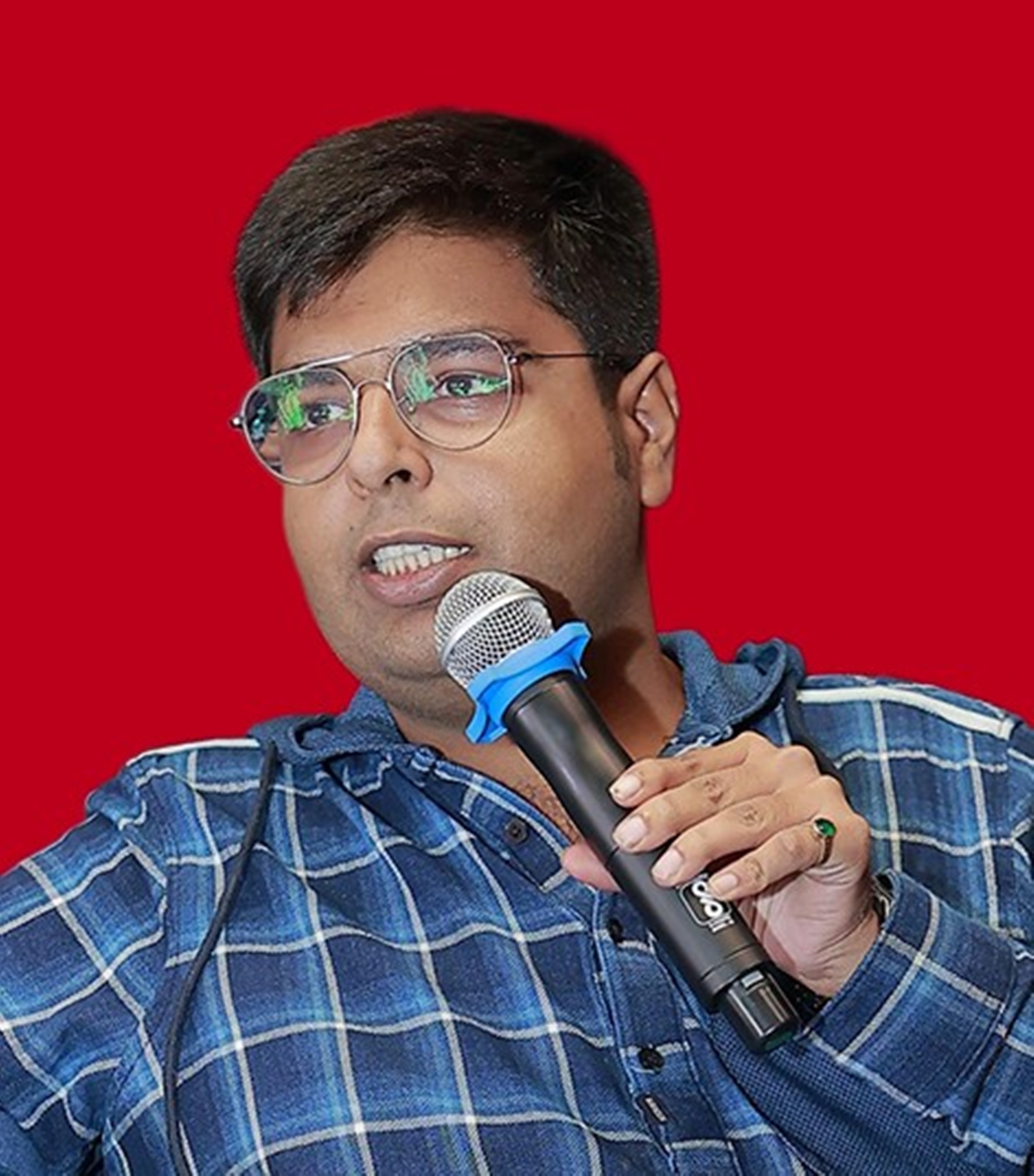 Karan Shah
For Cyrus Broacha, who self-admittedly has always been a “motormouth”, the whole show is crowd work. “I do a lot of crowd work because I am lazy and can’t remember anything,” he jokes, before adding, “Crowd work is something that the audience enjoys a lot and in the process, you live with the room. Set pieces can be boring after some time. For how long can you really talk about your brother? But when you are with the crowd, you can go on and on. There is a certain energy that the room has, and it makes you feel alive as a comedian.” The comedian-satirist compares it to IPL. “Yes, there is the good old classic form like Test cricket but there is also a format that is more dynamic, fast and alive for 2026.”
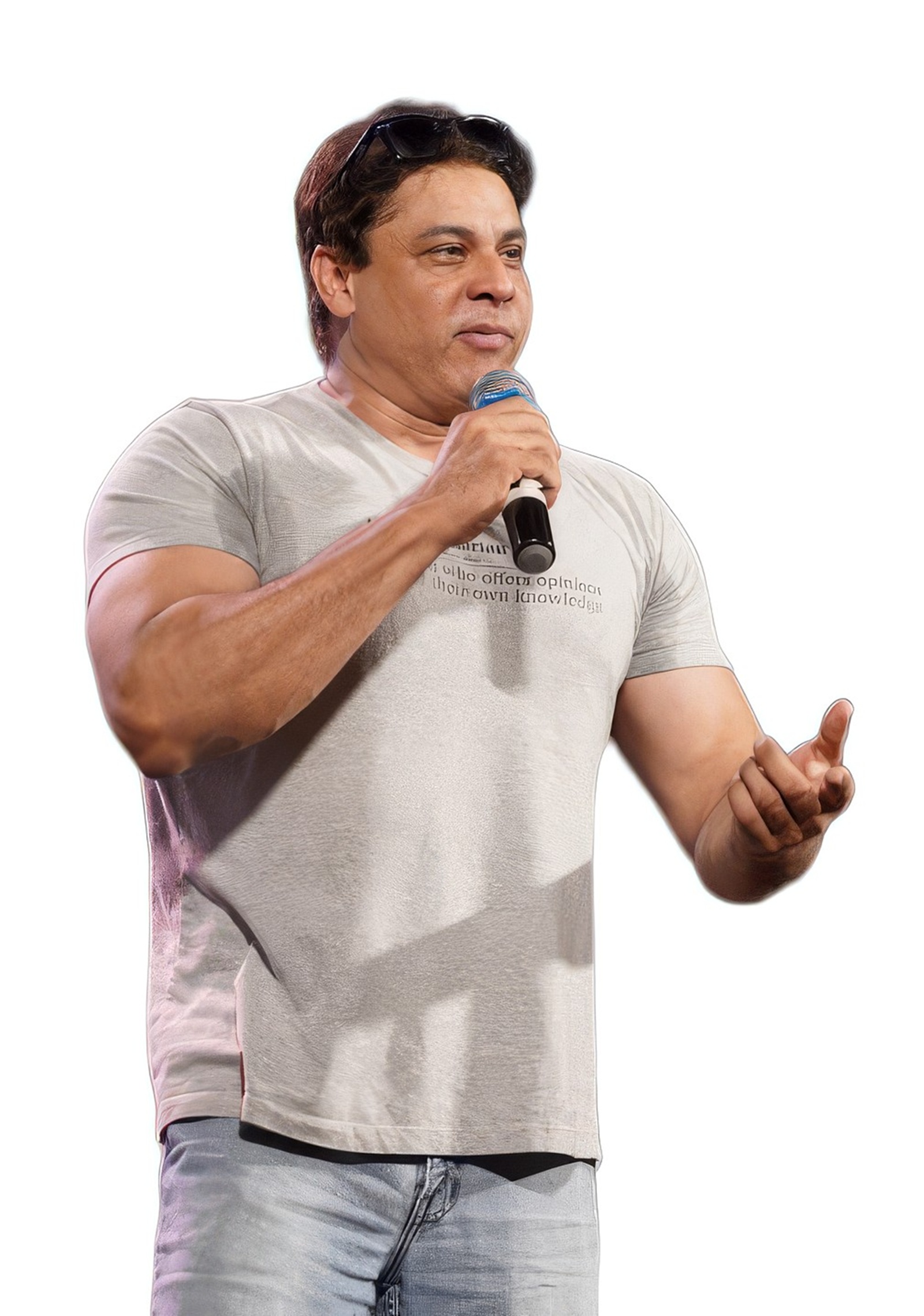 Cyrus Broacha
Comedians across the country have also added themes to crowd work and curated periodic shows around them. Case in point is Bengaluru-based stand-up comedian Rajat Taneja, who has two shows — Swipe Right (where he matches pre-selected women with men from the audience) and Dump Him (where the audience helps women end toxic relationships).
“Crowd work can become aimless so I thought of adding some dimension to it and, therefore, started these shows.” This weekend, he is shooting the 30th episode of Swipe Right.
Chosen randomly or planted?
Globally, critics have pointed out how hecklers are sometimes planted by the comedian. In India, comedians insist they pick people randomly or from volunteers. Sahil Shah’s method: “Someone laughing funny? Talk to them. Someone not laughing? Ask them why. Someone dressed funny? Talk to them.” Sethi prefers picking men and “young cocky boys” because “women have already been picked on enough.”
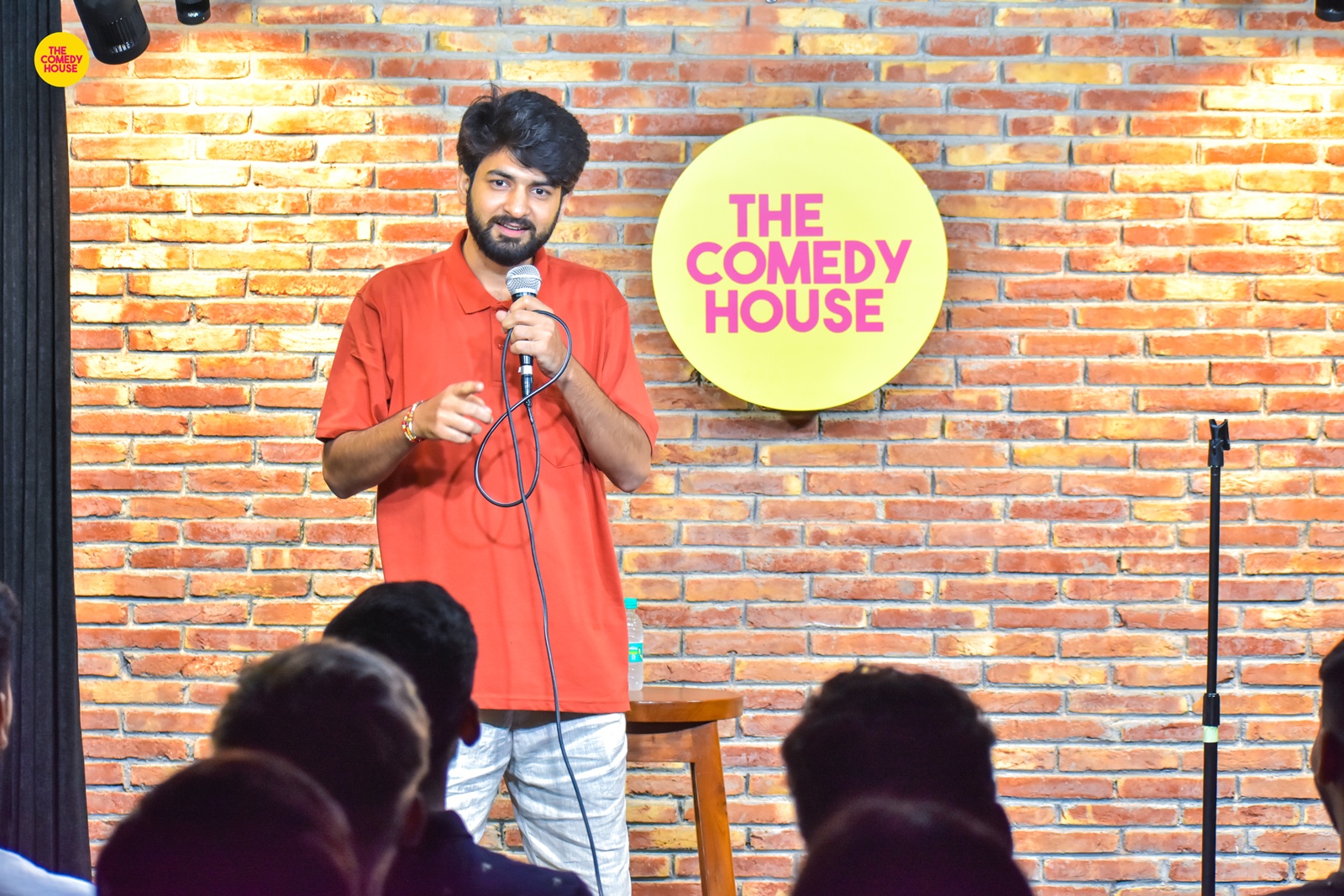 Badal Sharma
Delhi-based Badal Sharma keeps a few jokes ready on professions or common traits. “Say, a person drops a bottle, I will have a few jokes on clumsiness. Or someone heckles you, so I stop and chat with them about that. They are likely to say that they are a lawyer, writer, CA or a student. I already have a few jokes ready on each but I will throw it away so that the audience will feel I have just thought of it.”
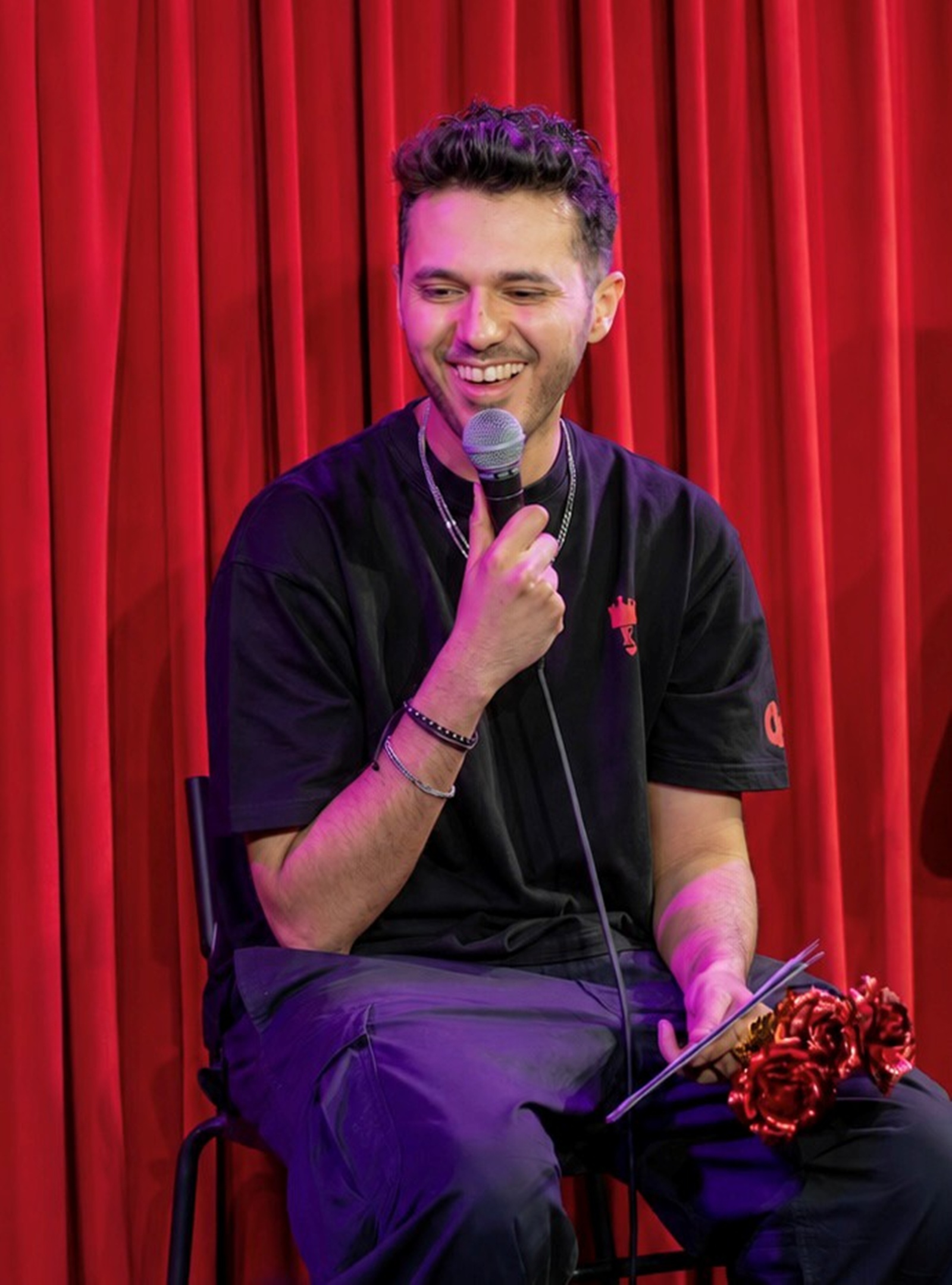 Rajat Taneja
Taneja pre-selects participants for his shows. “If told in advance, women are more comfortable on stage,” he says. He also manages the afterlife of every show carefully — participants are reached out after the video goes on YouTube to flag anything they don’t want as a reel. “Because most people don’t care about YouTube but they do about the reel.”
Paperwork catches up
When it comes to paperwork, there is no streamlining yet. Sharma, who has over three lakh followers on Instagram, notes that of the 25 odd comedy venues in Delhi-NCR, most don’t insist on a contract between performers and venue.
“The industry isn’t as big as, say, textiles. We are comrades who support each other. A video with 50 million views might not even translate into Rs 5 lakh. So we don’t get into paperwork because that’s an additional cost.”
The Habitat’s evolution tells a different story. Started in 2016, the venue initially didn’t do any paperwork either. “The first contract came in 2017 after they were attacked for the first time — a single indemnity clause, which basically said we are simply a venue and you are responsible for whatever you put up on it,” says Ghai. The form has been updated twice since, each time in response to a new incident. The 2021 version added a clause around the use of The Habitat logo, stating that if a video was generating outrage, The Habitat had the right to ask the artiste to take it down. By then, they had already removed The Habitat logo from Munawar Faruqui’s roast of Arnab Goswami during the Covid lockdown. Last year, a mob protesting comedian Kunal Kamra’s comments on Maharashtra Deputy Chief Minister Eknath Shinde, arrived at The Habitat, demanding to see him. He wasn’t there but the video that had been shot at The Habitat had gone live. They vandalised the venue mid-show. The Habitat now has a new clause: If an investigating authority contacts them requesting for an artiste’s details, they have the right to share that information and have accordingly started asking for the comedians’ Aadhaar Card.
When it comes to traditional performance venues like NCPA, it has a clause that states that it “does not subscribe to any specific ideology. Accordingly, the content of the performance should not have any political, religious, casteist, racial or any such overtones” and “the artiste shall be fully responsible for the content of the performance, including its language, which should be free from profanity or foulness.” “In an increasingly polarised world, our endeavour is to foster a sense of community and belonging through the arts. Accordingly, our contracts with artistes, including stand-up comedians, are structured with due consideration to ensure we don’t upset the sentiments of our audiences,” says Prashant Karkare, Director: Special Projects and Legal, NCPA.
Is there a line that shouldn’t be crossed?
The answer depends entirely on who you ask. Taneja says he doesn’t do “conversations that are below the belt.” Sethi would never insult her audience. Karan Shah puts it simply: “I am okay with being not funny, but not with being an a*****e.”
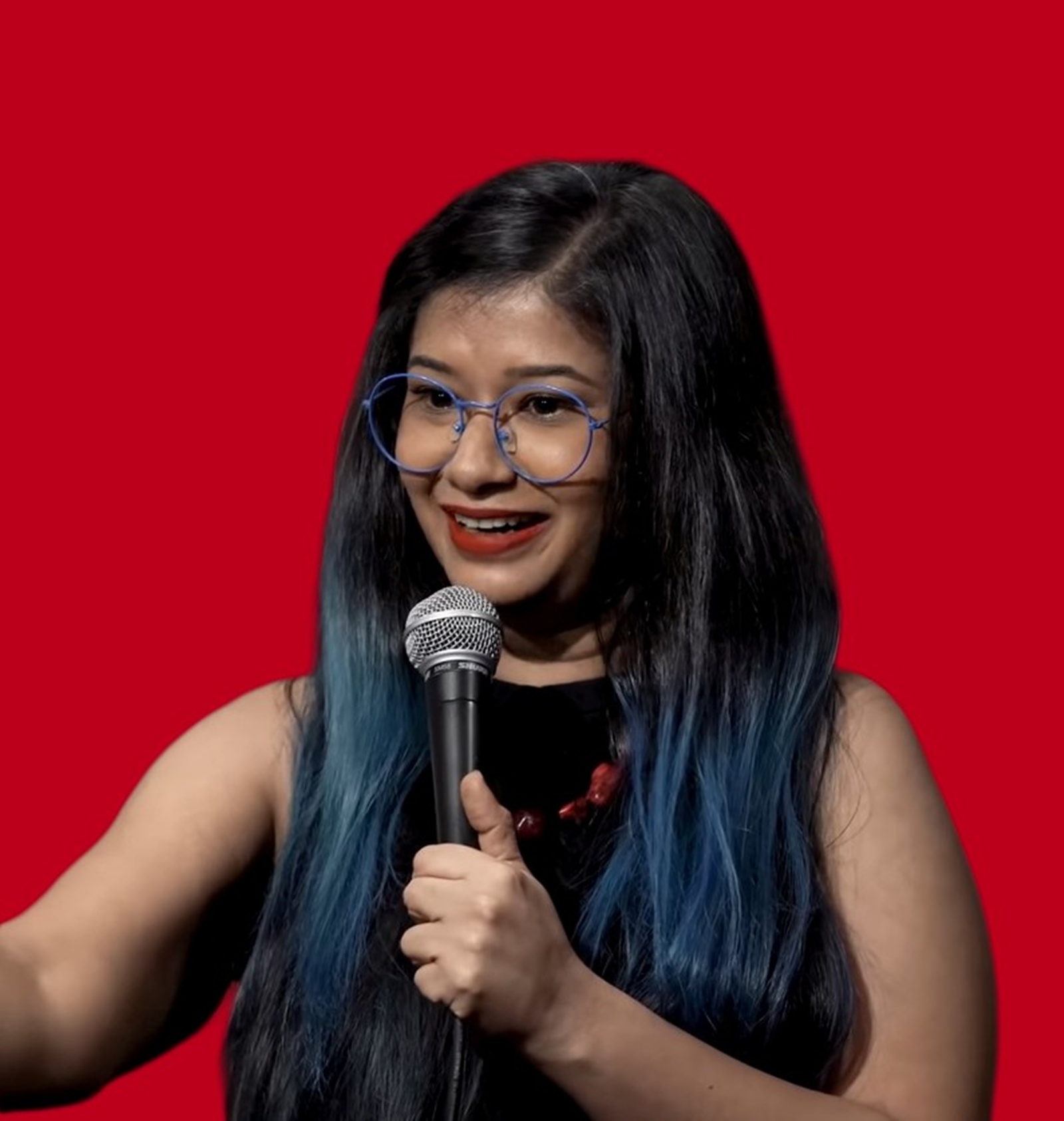 Jeeya Sethi
Sharma, however, believes the line exists only between the comedian and the audience in the room. “So what happened with More happened in a room and should have stayed in that room.” Broacha broadly agrees. For him, context matters more than content. “The energy and the jokes are always for that room. They are sexist, racist, political, communal… but we aren’t endorsing any of it. It is all for fun. Comedy is not about being politically correct.”
Others argue that invoking the room cannot excuse harmful behaviour. Sahil Shah says a comedian also has a responsibility towards what the audience is saying. “If they say something wrong in a live show, it’s your responsibility to shut them down, and an even bigger responsibility to not release the clip and give them a larger platform.”
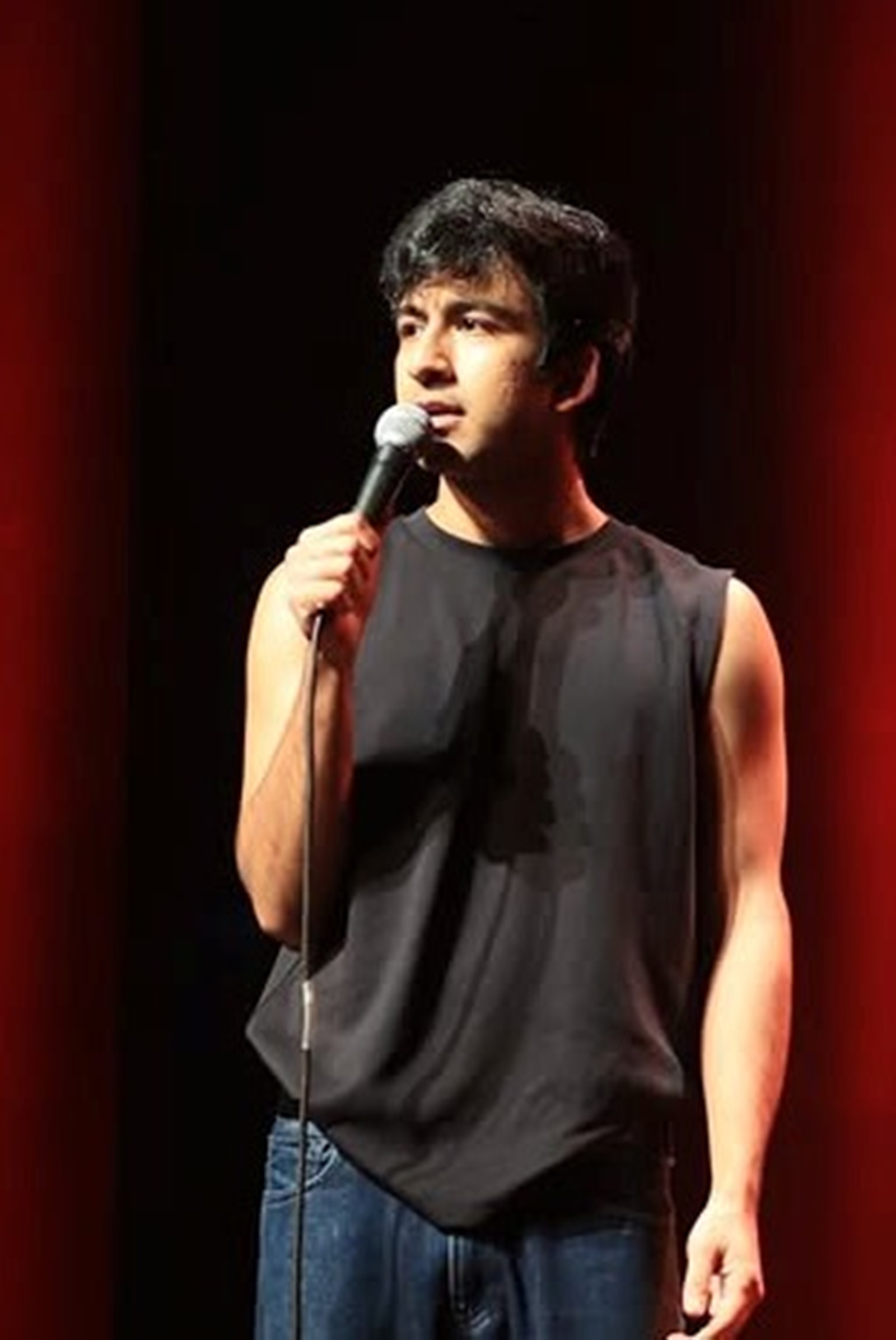 Karan Veer Khurana
Mumbai-based comedian Karan Veer Khurana doesn’t mince words: Crowd work is no excuse for misogyny. “If an audience member says something misogynistic, the comedian’s job is not to laugh along.” His job, he adds, is to turn the room against him, so that he walks out questioning himself. “That would be a job well done.”

