

4 min readJalandharApr 22, 2026 06:06 PM IST
April this year is once again turning unusually hot in Punjab and Haryana, with the India Meteorological Department (IMD) issuing repeated heatwave alerts for several districts over the past few days. Traditionally, heatwave conditions in the region were associated with May and June, but over the past decade, April sometimes itself has begun to witness such spells — particularly towards the latter half of the month.
This year is again one of those years. Day temperatures have already climbed sharply, with above 41.6°C in Punjab’s Bathinda and Haryana recording a high of 42.5°C in Bhiwani, while night temperatures have also remained elevated, with warm night conditions reported in parts of the state. In Punjab, districts such as Fazilka, Muktsar, Faridkot, Moga, Bathinda, Mansa, Sangrur and Patiala are likely to see heatwave conditions in the coming days.

Why is April witnessing heatwave conditions now?
Meteorologists point to a familiar pattern that has emerged in recent years. After the first week of April, there has been little to no significant western disturbance activity over the region. These weather systems typically bring cloud cover and light rainfall, helping regulate temperatures. Their absence allows temperatures to rise unchecked.
At the same time, dry and hot winds from Rajasthan have started dominating the region earlier than usual. These winds push up daytime temperatures and reduce moisture levels, creating conditions conducive to heatwaves even before the peak summer months set in.
What do the current weather indicators show?
IMD has reported dry weather across Haryana, along with warm night conditions at isolated places — a sign that temperatures are not dropping sufficiently even after sunset. This combination of high day and night temperatures intensifies heat stress.
Forecasts indicate that heatwave conditions are likely to persist at isolated places across both Punjab and Haryana in the coming days, suggesting that the current spell is not a short-lived one.
Is this becoming a trend?
Weather experts say that over the past 8-10 years, there has been a noticeable shift in the timing of heatwaves in north India. While May and June remain peak months, April has also started witnessing early spells of extreme heat sometimes. The changing pattern is being linked to broader climatic changes as well as variability in western disturbance activity.
What does this mean for agriculture?
Story continues below this ad
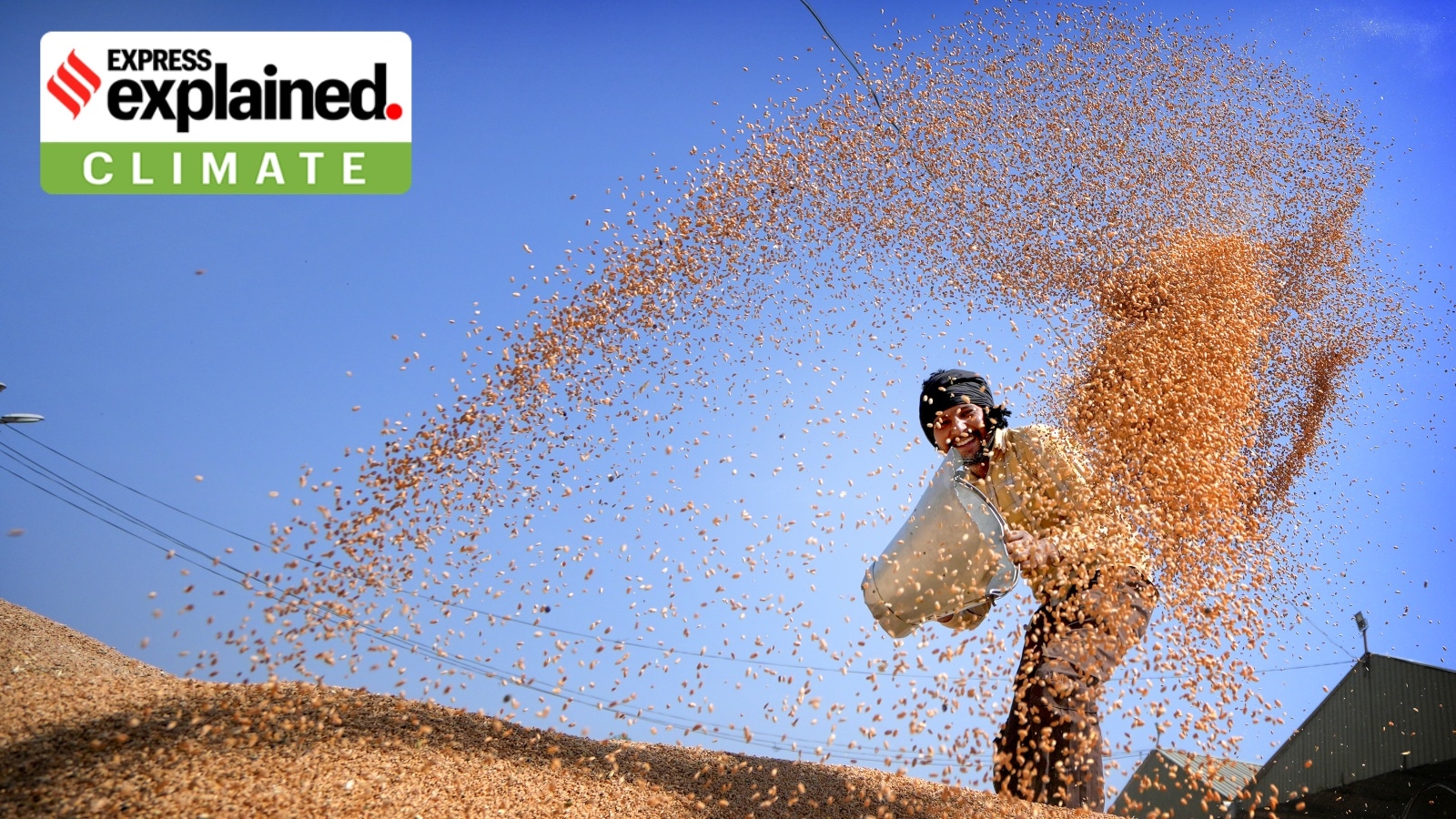
The timing of the heatwave is critical for Punjab and Haryana, which are in the middle of wheat harvesting. High temperatures during this period do not harm wheat much but make it difficult to harvest during day time. Prolonged heat can also impact vegetable crops and increase irrigation demand for upcoming crops.
For farmers, the early heat adds another layer of uncertainty in a season already affected by erratic weather conditions.
What precautions are being advised?
IMD has advised people to avoid direct exposure to the sun during peak afternoon hours and to stay hydrated. With warm nights reducing recovery time from daytime heat, health risks may increase, particularly for vulnerable groups.
While brief relief cannot be ruled out, the recurring pattern of April heatwaves points to a longer and more intense summer season ahead for the region.
© The Indian Express Pvt Ltd

