

5 min readNew DelhiMay 18, 2026 10:40 AM IST
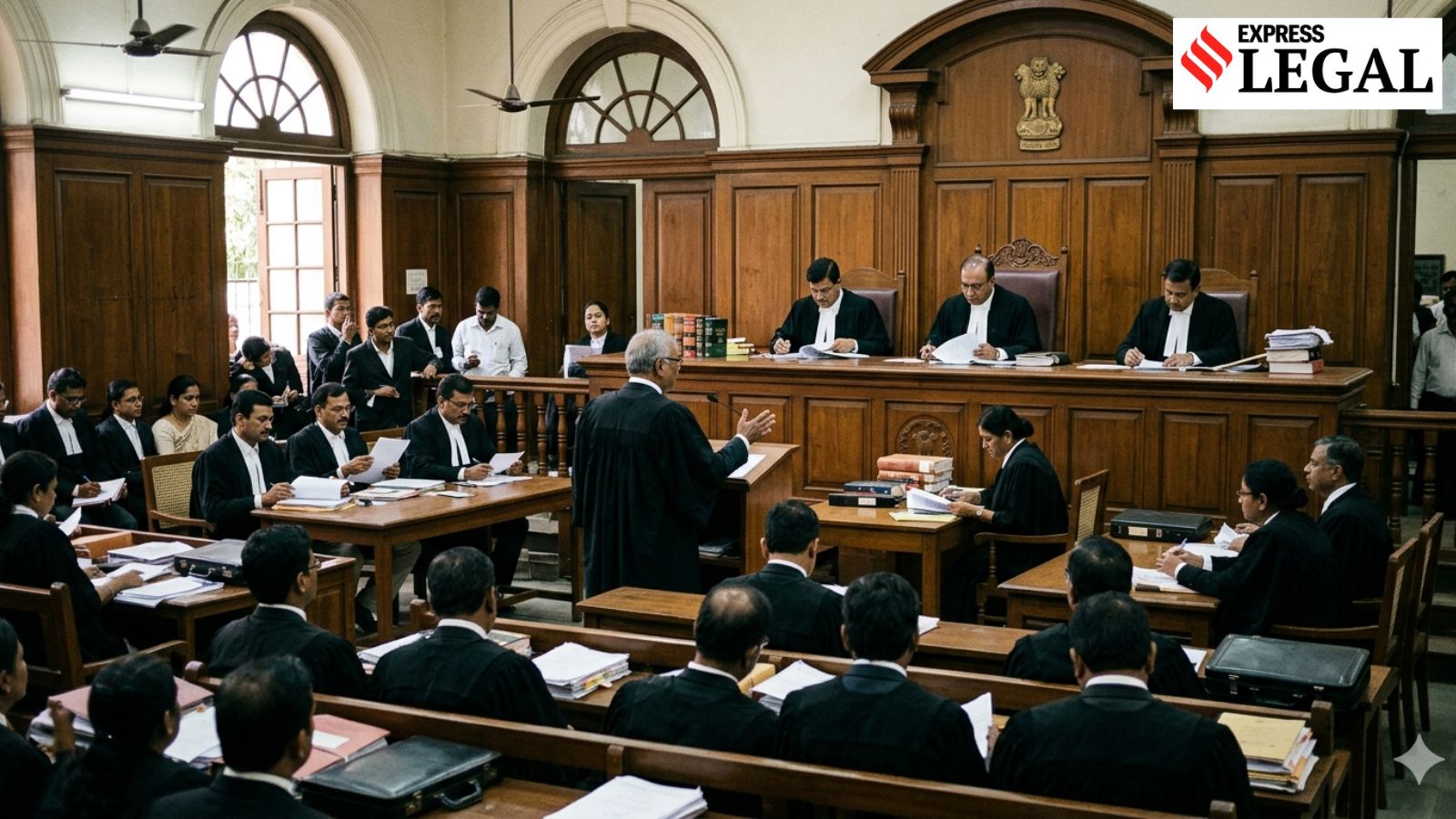
Supreme Court news: The Supreme Court recently said that counsels are duty-bound to place before courts all relevant precedents, including those that may go against their own case, while judges must independently ensure consistency and avoid per incuriam rulings.
Per incuriam, meaning “through lack of care”, refers to judicial decisions that have been passed without considering relevant statutory provisions or prior decisions of courts.

A bench of Justices Sanjay Karol and Vipul M Pancholi was hearing an appeal filed by The New India Assurance Company Limited in a dispute over whether mediclaim reimbursements could be deducted from compensation awarded under the Motor Vehicles Act.
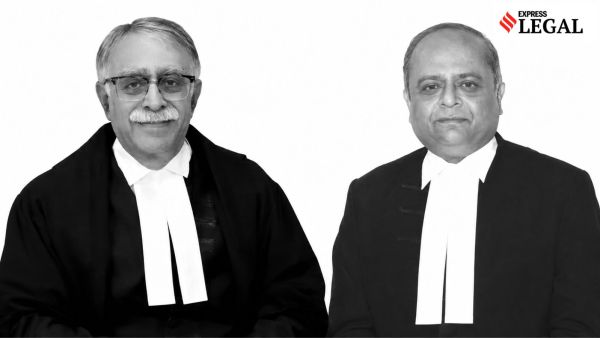 Justices Sanjay Karol and Vipul M Pancholi said both the Bar and the Bench must function with “a sense of service to the system”.
“It is this duty towards the Court which requires them to bring to the Court’s notice judgments both that aid their case and also those that do not,” the Supreme Court bench said on May 15.
In essence, both the Bar and the Bench are responsible for minimising the problems that arise in the face of inconsistent judicial opinion. They are both constituents of the justice delivery system, and all actions must be guided by a sense of service to the system, further facilitating the reduction of pendency.
Contradictory rulings across HCs
- The Supreme Court noted that courts across the country and, in several instances, even coordinate benches of the same high court had taken directly opposite views on whether mediclaim payouts should be deducted from compensation awarded by Motor Accident Claims Tribunals (MACTs).
- The judgment reproduced extensive charts cataloguing contradictory rulings from the Delhi, Bombay, Kerala, Punjab and Haryana, Madhya Pradesh, and Madras high courts.
- In some cases, benches of lesser strength had taken views contrary to earlier rulings by larger benches, the top court noted.
- When such inconsistencies are left unaddressed, it leads to “judicial inconsistency and uncertainty”, the Supreme Court said, warning that conflicting precedents often give litigants “hope for differing outcomes” and complicate adjudication for courts as well as lawyers.
- The apex court said certainty in law is essential for judicial efficiency and fairness, adding that where contradictory rulings continue to coexist, “it becomes a matter of choice to follow one and leave aside the other, and it remains no longer a matter of law”.
Lawyers must assist courts with all precedents
- The Supreme Court said advocates carry an obligation not merely towards their clients but also towards the court and the justice delivery system.
- It said a lawyer’s “awareness of law and grasp on facts” are their greatest assets, enabling them to distinguish adverse precedents while still effectively representing clients.
- However, this responsibility also includes disclosing judgments that may not support their arguments.
- The Supreme Court acknowledged the realities of modern litigation, noting that courts today pronounce “tens of orders and judgments” every day across diverse branches of law, making it difficult for judges to always remain immediately aware of the latest rulings.
- In such a situation, the court said, lawyers play a crucial role in ensuring consistency by bringing all relevant decisions to the court’s notice.
Judges also have independent duty
- At the same time, the Supreme Court emphasised that the burden cannot be placed entirely on advocates.
- “The Court itself has an independent tri-fold duty, to apply correct law even if the counsel does not cite the same, ensure consistency with precedent, and avoid per incuriam decisions,” it said.
- The Supreme Court also reflected on the practical pressures faced by judges, including heavy caseloads, daily dictation of orders and the need to deal with multiple jurisdictions simultaneously.
- It said both the Bar and the Bench must function with “a sense of service to the system” to reduce inconsistency and pendency.
Dispute over mediclaim deductions settled
The observations came in the course of a judgment settling a long-standing legal controversy over whether reimbursement received under a mediclaim policy could be deducted from compensation awarded under the Motor Vehicles Act.
Rejecting the insurer’s argument of “double benefit”, the Supreme Court held that mediclaim payouts arise from contractual insurance rights secured through payment of premiums, whereas compensation under the Motor Vehicles Act is a statutory entitlement arising from a motor accident.
Story continues below this ad
“In fine, we hold that the amount received as part of Mediclaim/medical insurance is not deductible from compensation as calculated by the concerned Tribunal,” the court said.
The appeal filed by the insurer was dismissed as “meritless”, and the matter was remanded to the high court for fresh determination consistent with the Supreme Court’s ruling. Pending applications were also disposed of.

© IE Online Media Services Pvt Ltd

