

4 min readLucknowUpdated: Apr 22, 2026 04:25 PM IST
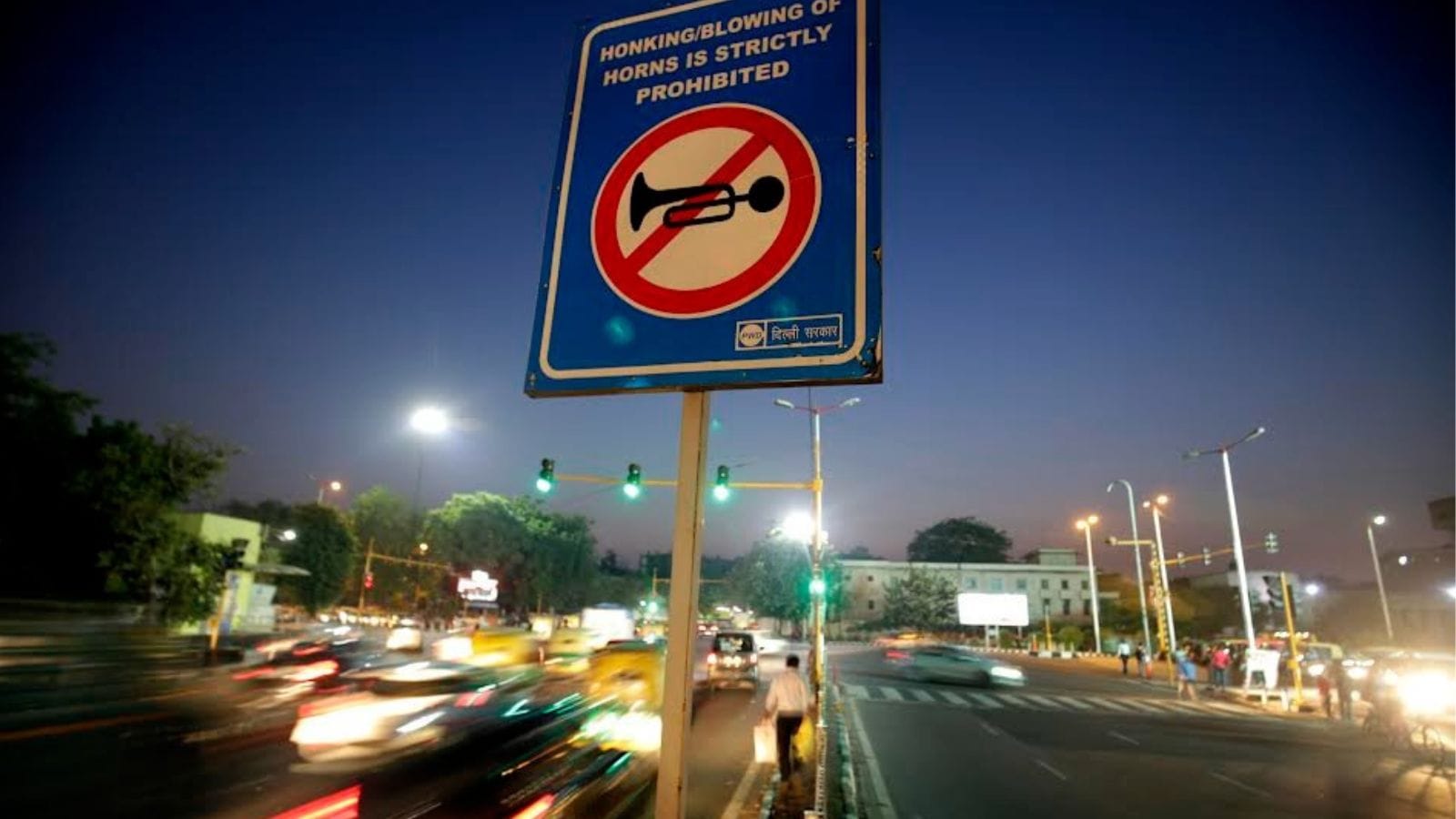
On a typical day driving on a Lucknow road, the incessant blare of pressure horns and the thunderous booms from modified silencers have become a daily nuisance that’s impossible to ignore.
Authorities are now stepping in with a plan to restore some quiet.

The state’s Traffic Directorate has drawn up a Standard Operating Procedure (SOP) aimed at cracking down on vehicles that contribute to noise pollution, with police directed to step up action against the use of modified silencers, pressure horns and hooters.
Issued by Additional Director General (Traffic and Road Safety) A Satish Ganesh to all district police chiefs, the SOP outlines enforcement measures, public awareness initiatives, regulatory steps and legal provisions under the Motor Vehicles (MV) Act.
Noise limits defined: What residents must know
- In residential areas, the limit is 55 decibels during the day and 45 at night.
- In silence zones, it is capped at 50 decibels in the day and 40 at night. Areas around hospitals, courts and schools will be designated as silence zones under existing rules.
- In industrial zones, the limit is 75 decibels during the day and 70 at night.
- In commercial areas, it is 65 decibels in the daytime and 55 decibels at night.
Action on the ground
Traffic and civil police have been directed to intensify vehicle checks, jointly with transport and other officials, with on-the-spot testing of sound levels. Enforcement will also target unnecessary honking at busy junctions and designated silence zones.
Officials said equipment found in violation will be seized and offenders prosecuted. Emergency vehicles will be exempt from action.
Officials also plan to bring foreign-made vehicles in line with Indian noise standards, as some exceed the 80-decibel limit.
Story continues below this ad
As per officials, authorities have also ordered tighter control over the manufacture and sale of modified silencers and pressure horns, mandating regular and surprise inspections of shops, garages and workshops.
Beside this, public awareness campaigns will be carried out through newspapers, FM radio and social media to highlight the risks of noise pollution.
Officials said garages and workshops will be required to display prominent warning notices, while meetings with auto dealers and mechanics, in collaboration with trade bodies, will aim to curb the sale and installation of illegal fittings.
A helpline and online portal will allow citizens to lodge complaints anonymously. A mobile app will enable reporting of violations with photo or video evidence.
Story continues below this ad
Officials further said in coordination with the Transport Department, the status of pressure horns and hooters will be recorded alongside Pollution Control Certificates.
Penalties for violations under the Motor Vehicles Act:
- Under Section 182A(1), vehicle manufacturers, importers or dealers making unauthorised alterations face up to one year’s imprisonment, a fine of up to Rs 1 lakh per vehicle, or both.
- Section 182A(4) penalises vehicle owners for such modifications with up to six months’ imprisonment, a fine of up to Rs 5,000 per alteration, or both.
- Under Section 194(F), unnecessary or excessive use of horns, or use of exhaust cut-outs, attracts a fine of Rs 1,000 for a first offence and Rs 2,000 for subsequent violations.
- Under Section 190(2), any person who drives, allows, or permits a vehicle to be used in violation of prescribed standards on road safety, noise or air pollution faces penalties including up to three months’ imprisonment, a fine of up to Rs 10,000, or both for a first offence.
- Offenders may also be disqualified from holding a driving licence for up to three months. For a second or subsequent offence, the law provides for imprisonment of up to six months, a fine of up to Rs 10,000, or both.

