

3 min readMumbaiUpdated: Jul 19, 2026 10:22 AM IST
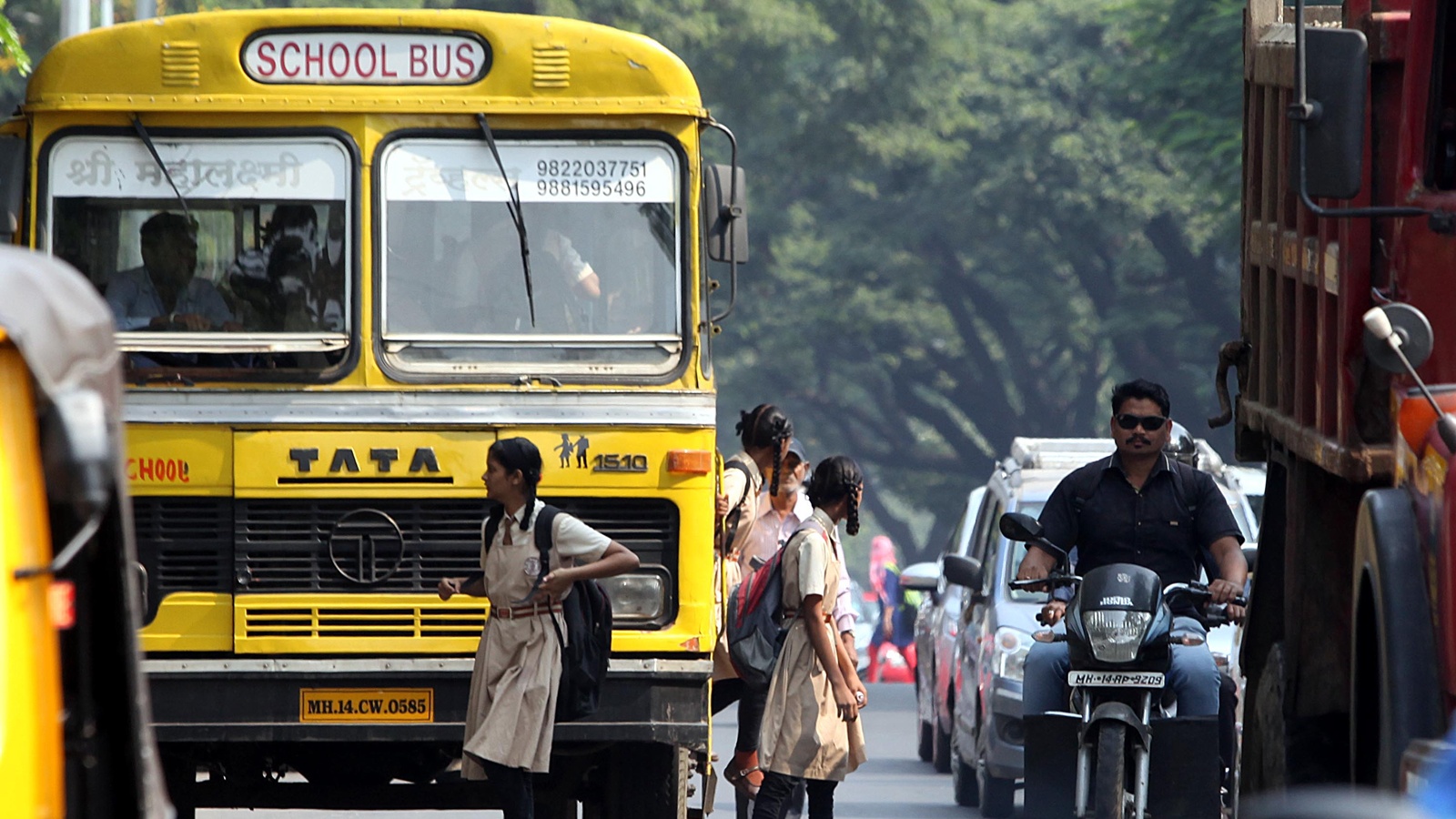
School bus operators in Maharashtra will no longer be free to decide fares on their own, and parents will soon be able to track buses live and access CCTV footage on a mobile app, under new rules notified by the state government.
For the first time, school bus fares come under an official regulatory framework, with Regional Transport Authorities (RTAs) empowered to fix fare structures. The rules also mandate GPS tracking, CCTV cameras, seat belts, panic buttons and digital attendance systems for school transport vehicles across the state.

The Maharashtra Motor Vehicles (Regulations for School Buses) (First Amendment) Rules, 2026, notified by the Home (Transport) Department on July 16, amend the 2011 regulations for educational institution vehicles and take effect after a three-month compliance window. Draft rules had been issued in April for stakeholder feedback.
What changes for parents?
Fares to be regulated: The RTA will fix a base fare per kilometre per student for school buses, vans and educational institution buses. Operators’ monthly or quarterly fares cannot deviate more than 10 per cent from the RTA fare.
Live tracking and CCTV access: Every bus and van must install a Digital Safety Monitoring System with GPS, CCTV and integration with the state’s monitoring platform. Parents must get live tracking and CCTV feeds through a certified mobile or web application. Schools must preserve footage for at least 30 days and produce it for transport, education or police authorities when required.
Seat belts, panic buttons mandatory: Every vehicle must have a Vehicle Location Tracking Device (VLTD) with a panic button, a Fire Detection and Alarm System or prescribed fire safety equipment, and seat belts for every seat.
Digital attendance: Schools and operators must record every student’s boarding and de-boarding times daily.
Story continues below this ad
Extra safeguards for younger children: Vehicles carrying students up to Class V must have an additional lady attendant or designated staff member on board. The rules also introduce special provisions for children with disabilities or special needs, including accessibility features and trained attendants.
Greater accountability for schools and operators
School Transport Committees get a wider role: verifying that operators charge RTA-approved fares, addressing parents’ complaints on services, safety and fares, and submitting quarterly compliance reports to District School Bus Safety Committees.
Drivers, attendants and other staff can now be appointed only after background verification and medical fitness certification, with schools and operators maintaining records open to inspection by transport authorities and police.
The maximum permissible age of school buses goes up from 15 to 20 years, subject to compliance with applicable safety standards.
Story continues below this ad
Schools and operators have three months from the notification’s publication to comply, failing which permits may be suspended or cancelled under the Motor Vehicles Act.

