

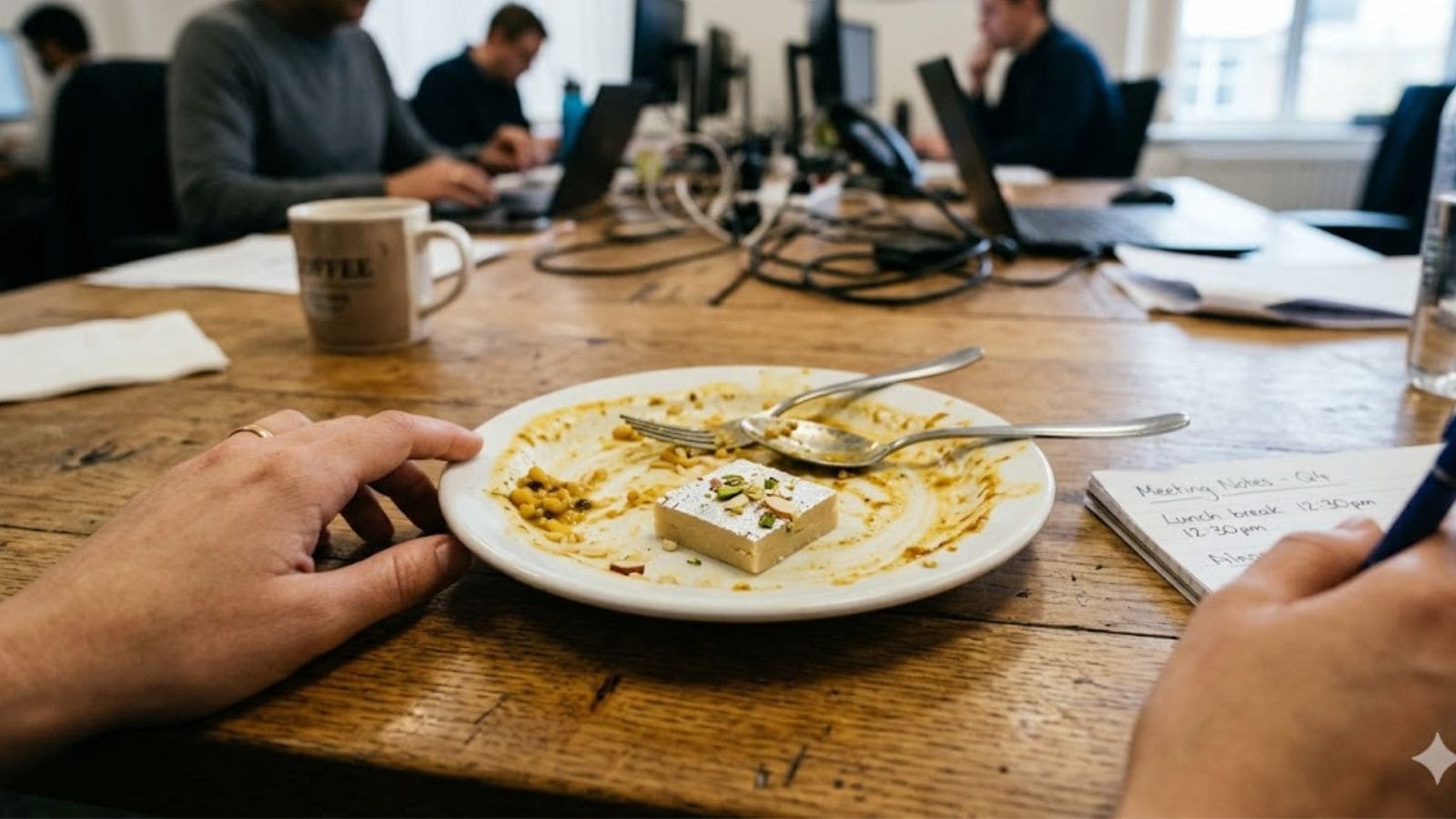
At 35, Rohit was a successful company executive with long working hours, frequent client dinners and constant deadlines. He was careful enough with food. And although he did not have diabetes, he avoided sugary soft drinks most of the time and rarely ate desserts in isolation. But there was one habit he never questioned: ending almost every lunch and dinner with something sweet. Sometimes it was a small piece of mithai after office meals, sometimes ice cream during business meetings, and often “just one bite” of cake at home. Because it came after meals and not on an empty stomach, he assumed it was harmless.
Except that it was not. At 42, he was diagnosed with Type 2 diabetes and his HbA1c (average blood sugar count of three months) had crossed into the diabetes range at 6.6 % instead of the normal 5.7%. The diagnosis did not emerge suddenly. It had quietly evolved through repeated sugar overloads that had seemed insignificant just a few years back.

In fact, he had ignored the readings in his annual blood reports which he was regular about. In the intervening years, his blood sugar status had gone to “borderline normal,” which is a common term for prediabetes, signalling that blood sugar levels are higher than normal but not yet high enough for a Type 2 diabetes diagnosis.
He dismissed it as nothing serious. Looking at his past reports, I saw his fasting blood glucose hovered around the upper limit of normal, his triglycerides were mildly elevated, and his waistline had slowly expanded over the years. He even weighed almost 12 kilograms more than he did in college. There was another important detail. His father had developed Type 2 diabetes in his forties. So he had family history too, which is common among most Indians.
Why post-meal sweets can lead to diabetes in later years?
This pattern is increasingly common in urban India. Many individuals, who do not currently have diabetes, assume that sweets are only dangerous once blood glucose levels have already become abnormal. The reality is more gradual and far more silent.
After a regular Indian meal rich in rice, roti, or refined carbohydrates, the body is already dealing with a significant glucose load. Adding concentrated sugar immediately afterward pushes the pancreas to release even larger amounts of insulin. When this pattern repeats daily over years, particularly in individuals with family history, central obesity, stress, poor sleep, and sedentary lifestyles, the body slowly becomes resistant to insulin.
What are early signs that you are diabetes-prone?
The early warning signs are subtle. Weight gain around the abdomen, mild fatty liver, borderline high triglycerides, slightly elevated fasting glucose, afternoon fatigue and increasing hunger despite regular meals. These changes often appear years before actual diabetes is diagnosed.
Story continues below this ad
Stress further worsens the problem. Metabolic and possibly hormonal alterations levels associated with chronic workplace stress promote abdominal fat accumulation and insulin resistance. Sleep deprivation, late dinners and reduced physical activity create an additional metabolic burden. In such individuals, the dessert after meals becomes less of an occasional indulgence and more of a repetitive metabolic trigger layered on top of an already excessive calorie load.
But my other family members have sweets too…
Many people argue that previous generations also consumed sweets. That is true, but lifestyles were different. Physical activity levels were substantially higher, portion sizes were smaller and sweets were often reserved for occasions rather than becoming a routine end to daily meals.
Importantly, the issue is not that a sweet dish after meals automatically “causes” diabetes by itself. Diabetes develops from the interaction of genetics, body weight, physical inactivity, sleep patterns, stress, and long-term dietary excess. However, habitual post meal sweets can significantly accelerate the process in genetically susceptible individuals.
How then should everybody have sweets?
This does not mean sweets need to disappear completely from life. The healthier approach is moderation and timing. Desserts should remain occasional rather than compulsory after every meal. Portion sizes matter. Sharing desserts, avoiding sugary beverages alongside meals, increasing fibre and protein intake, maintaining regular physical activity, and preventing abdominal weight gain all substantially reduce long term risk.
Story continues below this ad
For individuals with a strong family history of diabetes, even greater vigilance is needed. Many South Asians develop insulin resistance and diabetes at lower body weights and younger ages compared to Western populations. What appears “normal enough” externally may still conceal significant metabolic strain internally. So make that one piece of sweet count in your recommended total calorie intake for a day.
The concern is not the festival sweet eaten occasionally with family. The real danger is the normalization of excess sugar as a daily post meal ritual in already sedentary and stressed lives.
(Dr Bhattacharya is senior endocrinologist at Apollo Hospitals, Delhi)

