

5 min readPuneUpdated: Mar 26, 2026 10:55 AM IST
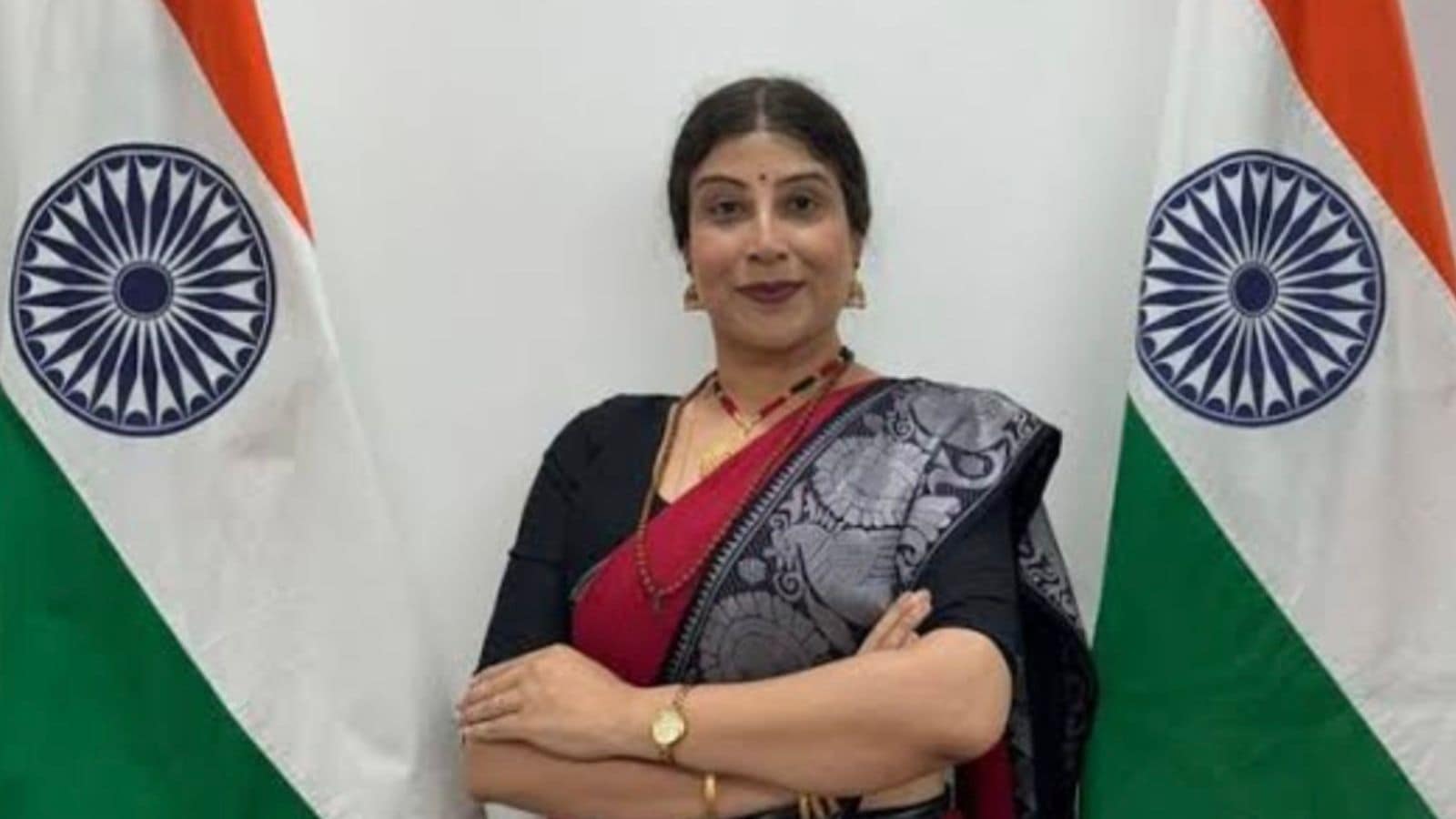
“If the new medical certification gets implemented, there would be complications in fresh issuance of identity cards, and genuine individuals would not be able to access welfare benefits,” said Dr Sanvi Jethwani, Co-Vice President of the Transgender Welfare Board, Maharashtra, on Wednesday, reacting to the mounting outrage over the Transgender Persons (Protection of Rights) Amendment Bill, 2026.
The Bill, introduced in Parliament on March 13 by Union Minister of Social Justice and Empowerment Virendra Kumar, has triggered widespread protests across transgender and LGBTQIA+ groups in the country.

The Bill and what it changes
The 2019 Act had defined a transgender person broadly, encompassing trans men and women, persons with intersex variations, genderqueer and non-binary individuals, and those with socio-cultural identities such as hijra, kinner, aravani and jogta. This was rooted in the Supreme Court’s landmark 2014 NALSA vs. Union of India ruling, which recognised the transgender community as the ‘third gender’ and upheld the right to self-identification.
The 2026 Amendment narrows this definition sharply, limiting recognition to those with specific congenital biological variations or traditional socio-cultural identities. Trans men, trans women, and non-binary individuals find no place in the revised definition. The Bill also scraps the right to self-perceived gender identity and introduces a medical board – headed by a Chief Medical Officer – whose recommendation would now be mandatory before a transgender identity certificate can be issued.
Objections
On the narrowed definition, Jethwani said the exclusion of trans men and trans women is unacceptable, and both must be included. Her criticism, however, is reserved for the proposed medical board. The earlier process was straightforward: a transgender person applied to the District Magistrate and received a certificate of identity without any medical examination.
“That was the ideal process,” she said. “Self-identification, as enshrined in the Act, should continue. The addition of a mandatory medical board is redundant and will only add complications.”
She also flagged a ground reality that policymakers appear to have overlooked: a significant section of the transgender community has low literacy levels and limited awareness of medical procedures. Navigating a complex clinical certification process, she argued, would effectively shut out those most in need. As per the National Portal for Transgender Persons, 32,424 transgender identity cards have been issued under the 2019 Act, enabling access to a range of government welfare schemes, a pipeline Jethwani fears would dry up under the new framework.
Story continues below this ad
No consultation
What has particularly shocked her is the complete absence of consultation before the Bill was drafted. “Most surprising was that no representative from either state bodies or the National Council of Transgender Persons, a statutory body, was called or consulted,” she said.
They have since written to the National Human Rights Commission (NHRC), and if the Bill is passed with its existing provisions, Jethwani confirmed they are prepared to approach the Supreme Court. “We are already in discussions with apex court lawyers,” she said.
On resignations and BJP outreach
Some National Council members have spoken of resigning if the discriminatory clauses are retained. Jethwani, distinguishing between the central and state bodies, said the Maharashtra board will first meet Chief Minister Devendra Fadnavis to place their demands before him.
“Resigning now will not solve the problem. Our priority is the welfare of the transgender community,” she said. An active BJP member, she has also sought an appointment with BJP chief Nitin Nabin and has written letters to Home Minister Amit Shah and Prime Minister Narendra Modi.
Story continues below this ad
Even as the backlash mounted, the Union government on Saturday called a meeting with members of the National Council of Transgender Persons. Members were informed that the meeting would be with Minister Virendra Kumar, but it is learnt that he did not attend.
Ministry officials who were present defended the Bill, citing the need to weed out ‘non-genuine transgender persons’ as justification for the restrictive new definition. The Minister’s absence at a meeting called in his own name has not gone unnoticed by community representatives.

Click here to join Express Pune WhatsApp channel and get a curated list of our stories
© The Indian Express Pvt Ltd

