

3 min readApr 29, 2026 10:35 AM IST
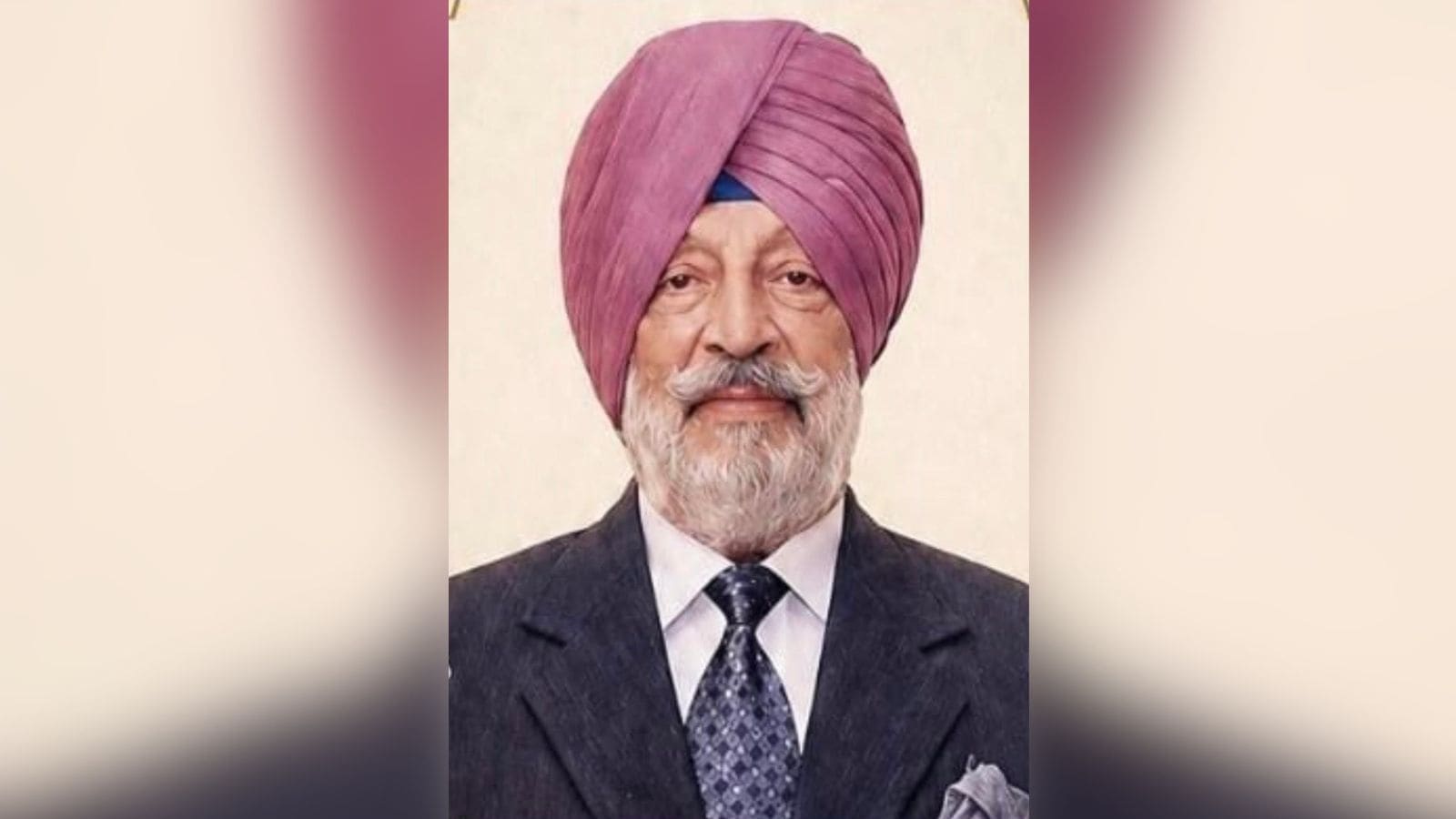
Former general officer commanding-in-chief (GOC-in-C) Southern Command and overall force commander of the Indian Peace Keeping Force (IPKF) in Sri Lanka, Lt Gen Depinder Singh, passed away in Panchkula, Haryana, on Tuesday. He was 96.
A former officer of the 8th Gorkha Rifles, he had also served as military assistant (MA) to Field Marshal Sam Hormusji Framji Jamshedji Manekshaw when he was the Army chief.

Born in 1930, Lt Gen Singh was commissioned into the Army on December 10, 1950. His early career involved standard infantry and regimental duties in the post-Independence period, during which he gained operational experience.
By 1966, Lt Gen Singh had risen to lieutenant colonel and commanded a battalion. He participated in the 1965 Indo-Pak war, and in 1969, then chief of Army staff, General Sam Manekshaw, selected him as his military assistant. He served in this close staff role until 1973, providing him a front-row seat to high-level strategic decision-making.
Lt Gen Singh witnessed key moments in the lead-up to and execution of the 1971 war, including Manekshaw’s advice to then Prime Minister Indira Gandhi to delay military action against East Pakistan until the Army was fully prepared, a delay that contributed to India’s decisive victory and the creation of Bangladesh.
After this tenure, he was promoted to brigadier and commanded an infantry brigade in Sikkim. In 1975, during India’s integration of Sikkim as its 22nd state, he led the operation to disarm the Chogyal’s (Sikkim’s ruler) personal bodyguard, the Sikkim Guards, a sensitive internal security task carried out without major incident.
He later commanded the 36th Infantry Division as major general before rising to lieutenant general and taking over as GOC-in-C of Southern Command in Pune.
Story continues below this ad
In July 1987, following the Indo-Sri Lanka Accord, Lt Gen Singh was appointed overall commander of the IPKF while still heading Southern Command. Indian troops were deployed to enforce peace, oversee the disarmament of Tamil militant groups (primarily the LTTE), and support political devolution in Sri Lanka’s north and east.
Initial deployments were welcomed by local Tamils, but the mission quickly escalated into combat when the LTTE resisted disarmament. Under Singh’s oversight, the IPKF launched Operation Pawan in October 1987 to capture Jaffna, involving intense urban fighting, airborne assaults, and helicopter gunship support. The operation succeeded in securing Jaffna but at a high cost in casualties and amid challenges like inadequate intelligence, political constraints from Delhi, and shifting local sentiments.
Lt Gen Singh retired in February 1988 after nearly four decades of service. He has since authored books drawing on his experiences, including The IPKF in Sri Lanka detailing the operational and diplomatic challenges that he faced, and Field Marshal Sam Manekshaw, M.C.: Soldiering with Dignity, a memoir offering personal insights into Manekshaw’s leadership.
He settled in Panchkula post-retirement and remained active in sharing perspectives on military history, leadership, and events like the 1971 war and IPKF operations through talks, interviews, and public engagements.

