

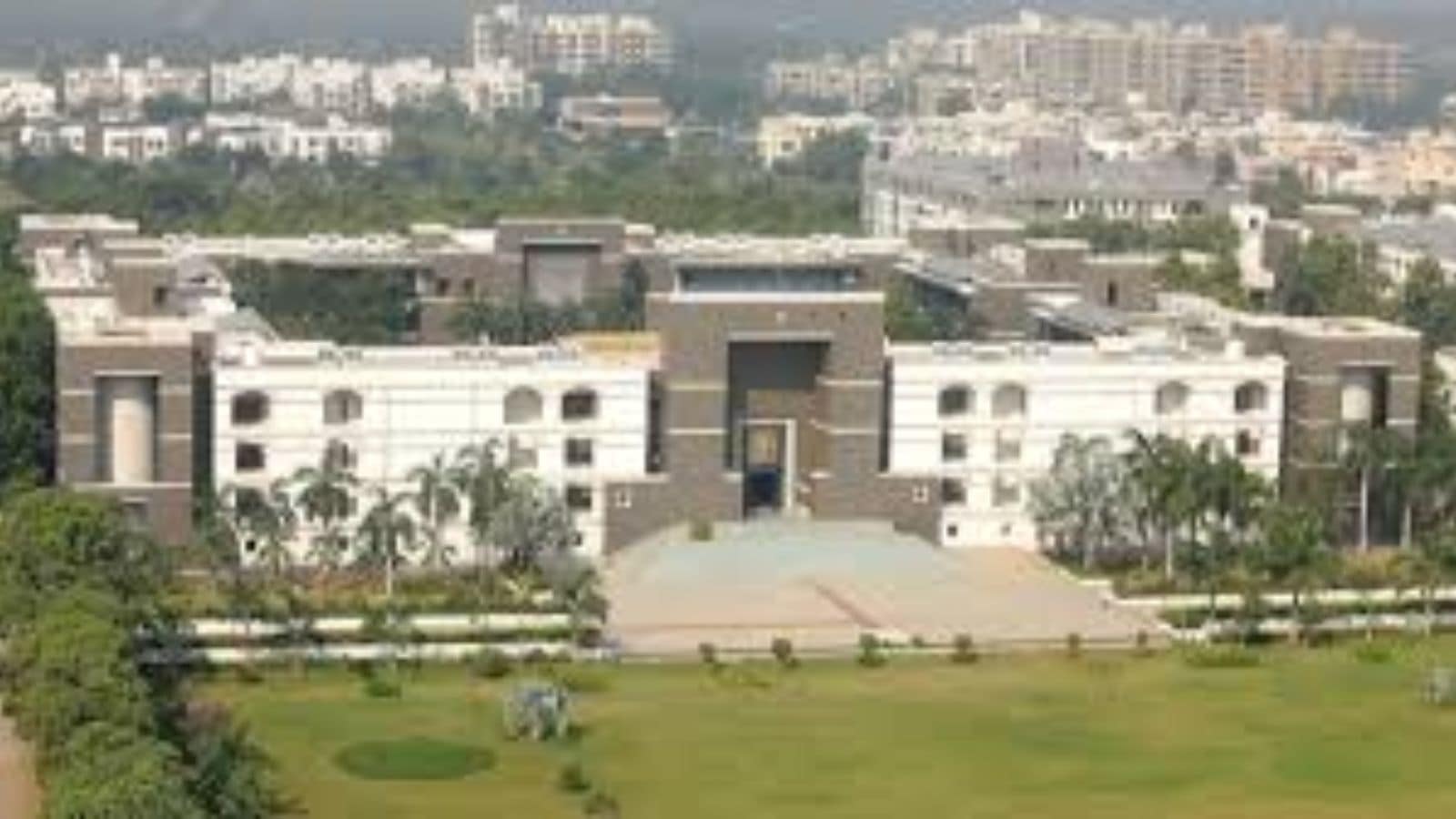
Twenty-five years after a road accident left a Rajkot man comatose for five years before his death, the Gujarat High Court has more than doubled the compensation awarded to his family by a tribunal in 2014.
The court raised the total award to Rs 12.12 lakh and categorically held that the deceased could not be blamed for any negligence whatsoever in the “fatal accident case”.
Bringing relief to the family that had fought a legal battle since the 2001 accident, Justice Nisha Thakore of the Gujarat HC allowed the appeal filed by Bhagvanji Bhutani’s widow, Champa Bhutani, and their son against the 2014 judgment and award of the Motor Accident Claims Tribunal (Aux) in Gondal town of Rajkot district.
The HC noted that the tribunal “committed a grave error in treating it as a case of injury claims” as it was “required to be treated as a fatal accident case”. It ruled that the cause of death—brain injury from the accident—had made it a fatal accident case in law, with the multiplier method applicable to dependency loss rather than future loss of income.
The court considered the post-mortem note, which recorded the cause of death as “cardiorespiratory failure due to complications of coma-brain injury”. Rejecting the insurance company’s argument, citing another case of accident, the court said, “…in the present case, the injured has succumbed to fatal injuries as evident from the postmortem report…”
The order states: “The Tribunal failed to live up to the objective of beneficial legislation, which otherwise aims at just and reasonable amount of compensation to be awarded.” The HC awarded Rs 3 lakh for “pain, shock and suffering”.
The HC directed the insurance company to deposit the enhanced compensation of Rs 6.99 lakhs with interest at 7.5 per cent per annum from the date of filing of the claim petition, within six weeks of receipt of the certified copy of the order. The total compensation payable, including the amount already awarded by the tribunal, now stands at Rs 12.12 lakhs. The Tribunal at Gondal was directed to disburse the amount in accordance with Supreme Court guidelines on apportionment.
Story continues below this ad
As per the petition, Bhagvanji Bhutani, a transport contractor who was 45 years old at the time of the accident, was riding his motorcycle when a van struck him on the National Highway in Gondal in March 2001. Bhutani suffered severe head injuries, including critical internal brain trauma, in the collision. He was first treated at Gondal Hospital and later shifted to Rajkot, where he remained bedridden and in a coma for the remainder of his life until his death on May 2, 2006.
His wife Champa and son filed a claim petition on April 23, 2001. Thirteen years later, in June 2014, the Tribunal awarded Rs 5.13 lakhs with an interest of 7.5 per cent but also attributed 10% contributory negligence to the deceased, reducing what was already, in the appellants’ submission, “an inadequate award”. The family filed an appeal in the HC in 2015. The appeal took another 11 years to be finally heard and decided on May 5.
In the order, made available on Tuesday, the HC noted the submissions of the advocate for the family, DD Vyas, who challenged the impugned award of the Tribunal on the aspect of “negligence” attributed to the deceased and the “quantum”. On negligence, the advocate argued that the Tribunal had assigned no specific reasoning to justify holding the deceased contributorily negligent to 10%. He also submitted that the respondents had not examined a single independent witness nor produced any counter-evidence. The petitioners also contended that the Tribunal’s decision to apply standard minimum wages and infer the income at Rs 3,000 was “a grave error”.
The court also considered the submission that the attendant charges of Rs. 24,000 were “inadequate and unrealistic” given that round-the-clock care had been required for several years.
Story continues below this ad
Advocate PH Thakkar, appearing for the insurance company defended the award and argued that since the accident had occurred on a National Highway and the deceased was exiting the gate of the market yard at the time, it was “duty cast upon the person who is entering into the main road to take care of the surroundings”. The advocate also argued that applying minimum wages of Rs 2100 for skilled workmen with a 25% prospective rise yielded only Rs 2625, which is less than the Rs 3000 income the Tribunal had already awarded.
Justice Thakore, who undertook a reappreciation of the evidence and the law, applied the Supreme Court’s 2013 ruling, which had struck down a similar finding of contributory negligence. The court order states, “It is apparent that the Tribunal has not assigned any reason to arrive at such a conclusion holding the deceased contributory negligence to the extent of 10%.”

