

5 min readNew DelhiUpdated: Jul 31, 2026 02:25 AM IST
The Delhi government Thursday approved the withdrawal of 13 FIRs registered in connection with the NEET-UG protest, saying no action will be taken against those who participated in it. However, it made it clear that the protection would not extend to those with criminal antecedents.
This comes after four BJP-ruled states — Maharashtra, West Bengal, Assam and Bihar — took similar steps. The Cockroach Janta Party (CJP), which headed the Jantar Mantar protest, had warned that it may restart its stir if cases were not withdrawn.

“As of 6 pm on 29.07.2026, a total of 13 cases were registered by Delhi Police in connection with the protests relating to the alleged irregularities in the NEET (UG) examination… No adverse legal action will be taken by… police authorities within the national capital against those persons who have been involved in these protests,” read the order issued by the Home department, undersigned by Principal Secretary (Home) Santosh D Vaidya.
The protection, however, will not extend to persons having criminal antecedents, as mandated in the Supreme Court order, it added.
On Tuesday, the apex court ordered the release of “children under the age of 18, who have been reported to be arrested or detained in connection with the ongoing protests and who do not possess any criminal antecedents”.
The bench of Chief Justice of India Surya Kant, Justice Joymalya Bagchi and Justice V Mohana said, “The NCT of Delhi and other States may proceed with the investigation of the FIRs registered; however, no coercive measures shall be taken against the protesting students. Such protection, nonetheless, shall not be extended to the persons with criminal antecedents.”
Delhi Home Minister Ashish Sood, in a statement, said: “The department… has clarified that students who participated peacefully in the protest have no reason for concern or fear. The government fully respects the democratic right to peaceful expression, but no leniency will be shown towards those who disrupt law and order or engage in violent activities.”
Story continues below this ad
“This relief”, he said, “will not apply to individuals who already have criminal cases registered against them or those who indulged in violence, vandalism, or any other unlawful activities under the guise of the protest. Such persons will face action strictly in accordance with the law.”
A senior Delhi Police officer said, “Cases won’t be pursued against people related to the CJP protest but against unruly elements and people with a history of multiple cases.”
Police have identified more than 2,800 people with criminal backgrounds who participated in the protest march.
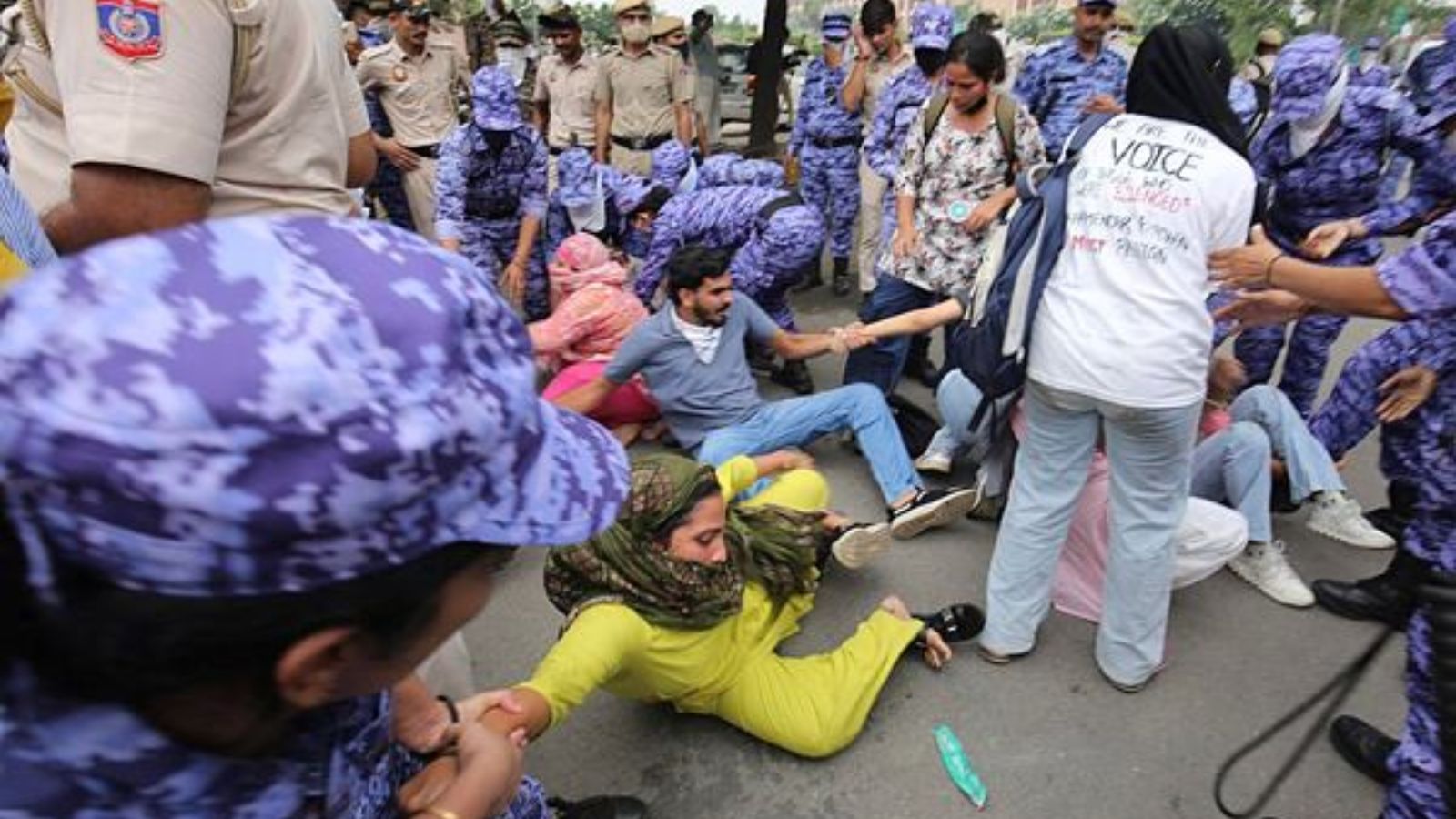
Delhi Police lodged the FIRs, most of which related to clashes between police personnel and students during the ‘Sansad Chalo’ march on July 20. Police used force, including batons and tear gas, to bring the situation under control; over 200 people, including more than 100 officers, were injured.
Story continues below this ad
The Delhi government further stated that the “matter shall be treated as closed without any future proceedings on this account”.
“With regard to arrests or detentions, if already made, in these cases, the process for reviewing the arrests and releasing the arrested persons will be undertaken expeditiously,” Vaidya said.
The CJP had earlier expressed “alarm” over the SC order that allowed the FIRs to stay, and warned that it may restart its protest if cases were not withdrawn. It added that the direction that “governments could proceed with existing FIRs in the SC order “stands in direct contradiction to the solemn assurance… extended by the government”.
States ease crackdown
On Monday, Assam and Bihar had announced withdrawal of FIRs connected with the protests.
Story continues below this ad
In a statement, the Bihar government had said no “punitive, retaliatory, or adverse legal action” would be taken against those who participated in the protests in the state before 6 pm on July 26.
On Wednesday, it initiated the withdrawal of 64 FIRs lodged across the state, but said cases remain against 21 people whom they claim were involved in the Siwan violence. The Siwan Police released a list of these people, whom the police claim have “criminal antecedents”.
The Assam government also announced a similar cut-off as Bihar for withdrawing cases against protesters and reviewing the arrests and release of those in custody. Thirteen people were arrested and five cases were registered in connection with the exam paper leak protests.
Maharashtra began the process to withdraw the cases Tuesday. Twenty FIRs were registered in Mumbai alone, with more than 1,000 people booked.
Story continues below this ad
The West Bengal government had said it would not take “coercive action” against students, but cited the apex court order to clarify that this “shall not extend to persons having criminal antecedents”.
It added that as of July 26 evening, “one case has been registered… on the complaint of the police”, in which 16 people had been arrested. During the day, the 16 got bail from the Chief Metropolitan Magistrate’s court. Six other cases are registered in Bengal, on complaints by journalists who alleged they were assaulted during the student protests.
In Congress-ruled Kerala, Chief Minister V D Satheesan had directed the Home Department to examine the demand for the withdrawal of cases, soon after Leader of the Opposition Pinarayi Vijayan wrote to him in this regard.

