

4 min readNew DelhiUpdated: Apr 28, 2026 01:22 AM IST
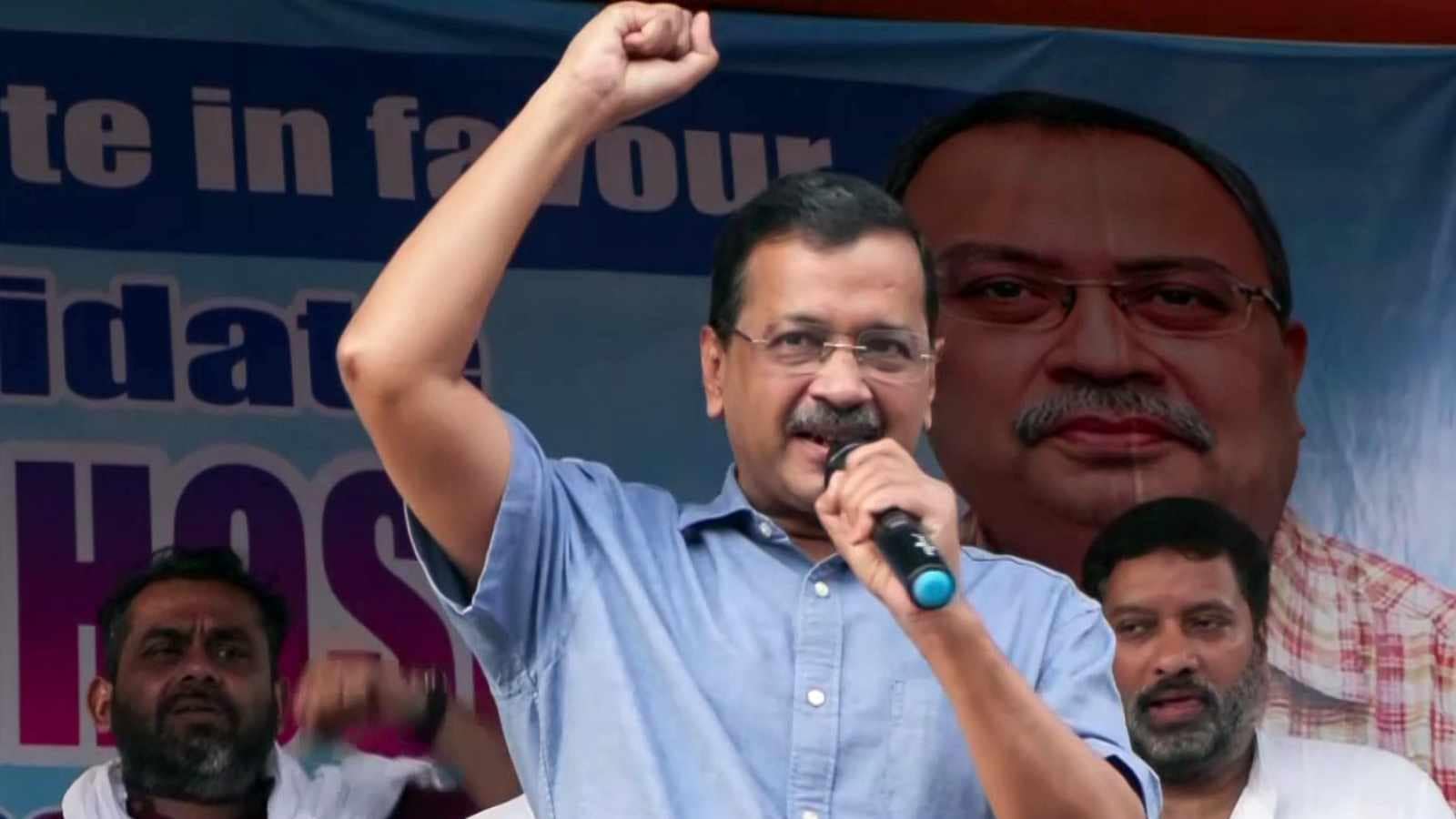
In an unprecedented move, AAP national convener Arvind Kejriwal wrote to Delhi High Court judge Justice Swarana Kanta Sharma on Monday to say “he will neither appear in person nor through a lawyer before her” in the excise policy case.
“I have lost hope of getting justice from Justice Swarana Kanta. Therefore, I have decided to follow the path of Satyagraha as shown by Mahatma Gandhi…,” he said.

The letter comes days after Justice Sharma refused to recuse from hearing the case after Kejriwal and five other accused raised apprehensions of bias and made allegations of a conflict of interest for the judge.
Justice Sharma is hearing a criminal revision filed by the Central Bureau of Investigation against the trial court’s decision in February discharging Kejriwal and his former deputy Manish Sisodia along with 21 other accused.
In his four-page letter, Kejriwal said he had taken this decision by listening to the voice of his conscience. He also stated he would reserve the right to approach the Supreme Court in appeal against Justice Sharma’s decision.
“I do not take this step lightly. I am fully conscious that by doing so, I may prejudice my own legal interests. I understand that I may lose the opportunity to advance submissions before this Hon’ble Court and that adverse consequences in law may follow. I am prepared to bear those consequences,” he said in the letter.
Kejriwal and the other accused have the right to file an appeal against Justice Sharma’s refusal to recuse from the case.
In all humility and with complete respect for judiciary, I have written the following letter to Justice Swarna Kanta Sharma, informing her that pursuing Gandhian principles of Satyagraha, it won’t be possible for me to pursue this case in her court, either in person or through a… pic.twitter.com/HmyOyNYug8
— Arvind Kejriwal (@ArvindKejriwal) April 27, 2026
The decision to not participate in the proceedings was a “personal call” made by Kejriwal, it is learned. His decision not to put up a defence has pushed the high-stakes case into uncharted territory. This is perhaps the first time that an accused has made a public statement refusing to defend himself before a particular judge.
Story continues below this ad
Legal experts told The Indian Express that Kejriwal’s refusal to participate is merely a “public posture that could have no bearing on the court”. Even if Kejriwal, the principal accused, does not put up a defence, the court can continue to hear other accused through their lawyers and decide the case.
Senior advocate Sidharth Luthra said the court could either compel appearance through a bailable warrant, or if he chooses not to appear, the court can appoint an amicus or a lawyer from the legal aid panel who would represent Kejriwal.
“The recourse is to challenge the order and not write a letter to the judge,” Luthra said.
A letter to the judge could be construed as an attempt by an accused to make personal communication with a judge.
Story continues below this ad
Dr Sidharth Chauhan, assistant professor of law at the National Law School of India University in Bengaluru, said there was no precedent for a litigant publicly refusing to “cooperate” with court proceedings.
“Even in the cases of [Bal Gangadhar] Tilak and [Mahatma] Gandhi, there was an element of civil disobedience, but that was when it came to accepting the punishment, not in walking away from the proceedings,” Chauhan said.


