
Close Menu
  • Home
  • Education
  • Health
  • National News
  • Politics
  • Relationship & Wellness
  • World News
What's Hot

Mandatory procedures not followed: Court grants Ugandan woman bail in drug smuggling case

July 6, 2026

Company gave credit note instead of refund for defective shoes; court orders Rs 15,000 compensation

July 6, 2026

Woman dies after wall collapse in Amreli: Red alert for Dang, Navsari and Valsad today as heavy rain continues to batter Gujarat

July 6, 2026
Facebook X (Twitter) Instagram
Facebook X (Twitter) Instagram YouTube
Global News Bulletin
SUBSCRIBE
  • Home
  • Education
  • Health
  • National News
  • Politics
  • Relationship & Wellness
  • World News
Global News Bulletin
Home»Business»Consent, process and regulations: What it takes to redevelop an old building — explained
Business

Consent, process and regulations: What it takes to redevelop an old building — explained

editorialBy editorialJuly 6, 2026No Comments3 Mins Read
Facebook Twitter Pinterest LinkedIn Tumblr Email Telegram Copy Link
Consent, process and regulations: What it takes to redevelop an old building — explained
Share
Facebook Twitter LinkedIn Pinterest Email Copy Link
Consent, process and regulations: What it takes to redevelop an old building — explained

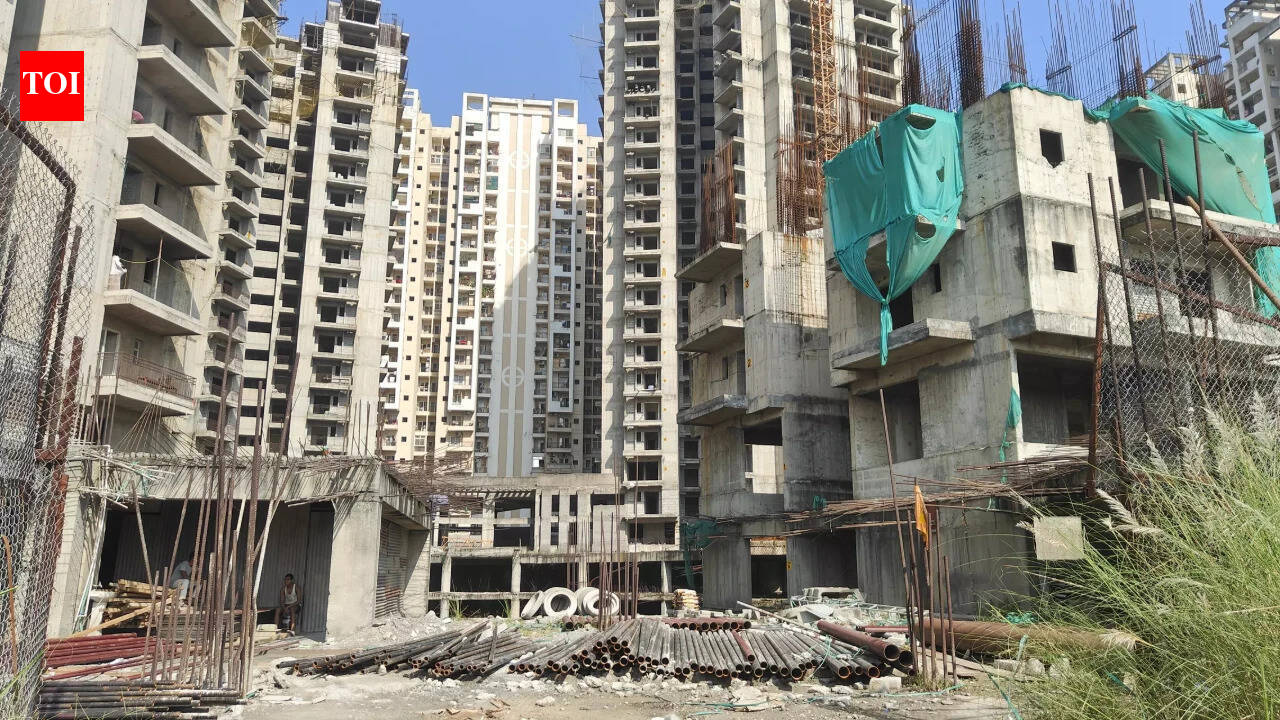
When an old residential building starts showing signs of wear and damage, redevelopment often becomes the safest and most practical solution. Over time, buildings deteriorate due to ageing, weather conditions, poor construction quality or inadequate maintenance. Many older structures also fail to meet current building codes, fire safety regulations, earthquake-resistant design standards and environmental norms.In such cases, redevelopment of residential buildings becomes necessary to improve structural safety, while also offering an opportunity to enhance the quality and quantity of accommodation.However, there is no single central law governing residential redevelopment in India. The process is instead regulated through a mix of state laws, municipal planning regulations and cooperative housing society acts, depending on the location and applicable rules.

How buildings move towards redevelopment

Typically, housing societies appoint a structural auditor to assess the building’s condition.In case redevelopment is considered feasible, residents convene a general body meeting to discuss the proposal, appoint consultants where necessary, and invite bids from developers.The selected developer then enters into a redevelopment agreement with the society, subject to approval by the competent authorities.Municipal corporations and planning authorities then examine the project for compliance with zoning regulations, Floor Space Index (FSI), fire safety norms, environmental requirements and building bye-laws before granting the necessary approvals.

Consent of residents

Each state has its own laws and regulations governing residential building redevelopment, resulting in different procedures and consent requirements across the country.With the highest number of cooperative housing societies in the country, Maharashtra has one of the country’s most evolved redevelopment frameworks. Maharashtra regulates the redevelopment of cooperative housing societies through a combination of the Maharashtra Cooperative Societies Act, 1960, the Maharashtra Cooperative Societies Rules, 1961, government resolutions issued by the Cooperation Department, and the Unified Development Control and Promotion Regulations (UDCPR).In 2019, the state revised its redevelopment guidelines for cooperative housing societies, reducing the minimum consent required for redevelopment from 70% to 51% of the total members. In 2025, it further amended the Maharashtra Cooperative Societies Rules, 1961, to simplify the procedure for self-redevelopment, prescribe a more structured process for selecting developers, require developers to furnish a bank guarantee equivalent to 20% of the project value, and enhance transparency by mandating greater disclosure of redevelopment-related documents to society members.In Delhi, redevelopment is governed by the Delhi Development Authority (DDA) and its Master Plan for Delhi (MPD). The masterplan focuses on the planned redevelopment of areas, including neighbourhoods along Metro corridors, planned residential areas, urban villages, unauthorised colonies, resettlement colonies, slums, and special areas such as parts of Old Delhi.Redevelopment proposals can be initiated by resident groups, plot owners, cooperative housing societies, private developers or local bodies, and are subject to approval by the competent authority.

What about tenants?

Depending on state specific laws, redevelopment generally requires that tenants are provided with temporary transit accommodation, rent compensation during construction, or are restored to equivalent accommodation after completion.In 2025, the Maharashtra government announced a new redevelopment framework for buildings run under the pagdi system, with seperate Floor Space Index (FSI) benefits for landlords and tenants, and permission for the use of Transferable Development Rights (TDR) that allow landowners to separate their property’s development rights from the land itself and sell them to developers. However, the framework awaits implementation.

Follow on Google News Follow on Flipboard
Share. Facebook Twitter Pinterest LinkedIn Tumblr Email
Previous ArticleIn 5 years, Delhi barely issued challans for urinating, spitting in public
Next Article Elephant that faced off with tigers, patrolled Kaziranga for decades laid to rest with guard of honour
editorial
  • Website

Related Posts

Company gave credit note instead of refund for defective shoes; court orders Rs 15,000 compensation

July 6, 2026

PLA Navy Submarine :China tests missile from nuclear-powered PLA Navy submarine in western Pacific ocean | – The Times of India

July 6, 2026

In 5 years, Delhi barely issued challans for urinating, spitting in public

July 6, 2026

Stop child sex abuse ads on Insta at once: Govt to Meta

July 6, 2026

Just 28% NGOs, associations ever registered under FCRA currently active

July 6, 2026

Foundation laid for Rs 2,500-crore defence plant in Madhya Pradesh

July 6, 2026
Add A Comment
Leave A Reply Cancel Reply

Economy News

Mandatory procedures not followed: Court grants Ugandan woman bail in drug smuggling case

By editorialJuly 6, 2026

2 min readMumbaiUpdated: Jul 6, 2026 02:07 PM IST The Bombay High Court granted bail…

Company gave credit note instead of refund for defective shoes; court orders Rs 15,000 compensation

July 6, 2026

Woman dies after wall collapse in Amreli: Red alert for Dang, Navsari and Valsad today as heavy rain continues to batter Gujarat

July 6, 2026
Top Trending

Mandatory procedures not followed: Court grants Ugandan woman bail in drug smuggling case

By editorialJuly 6, 2026

2 min readMumbaiUpdated: Jul 6, 2026 02:07 PM IST The Bombay High…

Company gave credit note instead of refund for defective shoes; court orders Rs 15,000 compensation

By editorialJuly 6, 2026

NEW DELHI: A consumer commission in Haridwar has directed an online footwear…

Woman dies after wall collapse in Amreli: Red alert for Dang, Navsari and Valsad today as heavy rain continues to batter Gujarat

By editorialJuly 6, 2026

3 min readAhmedabadUpdated: Jul 6, 2026 02:31 PM IST A woman died…

Subscribe to News

Get the latest sports news from NewsSite about world, sports and politics.

Facebook X (Twitter) Instagram YouTube

News

  • Education
  • Health
  • National News
  • Relationship & Wellness
  • World News
  • Politics

Company

  • Information
  • Advertising
  • Classified Ads
  • Contact Info
  • Do Not Sell Data
  • GDPR Policy
  • Media Kits

Services

  • Subscriptions
  • Customer Support
  • Bulk Packages
  • Newsletters
  • Sponsored News
  • Work With Us

Subscribe to Updates

Get the latest creative news from FooBar about art, design and business.

© Copyright Global News Bulletin.
  • Privacy Policy
  • Terms
  • Accessibility
  • Website Developed by Plenary Media Solution

Type above and press Enter to search. Press Esc to cancel.