

4 min readUpdated: Jul 28, 2026 09:44 PM IST
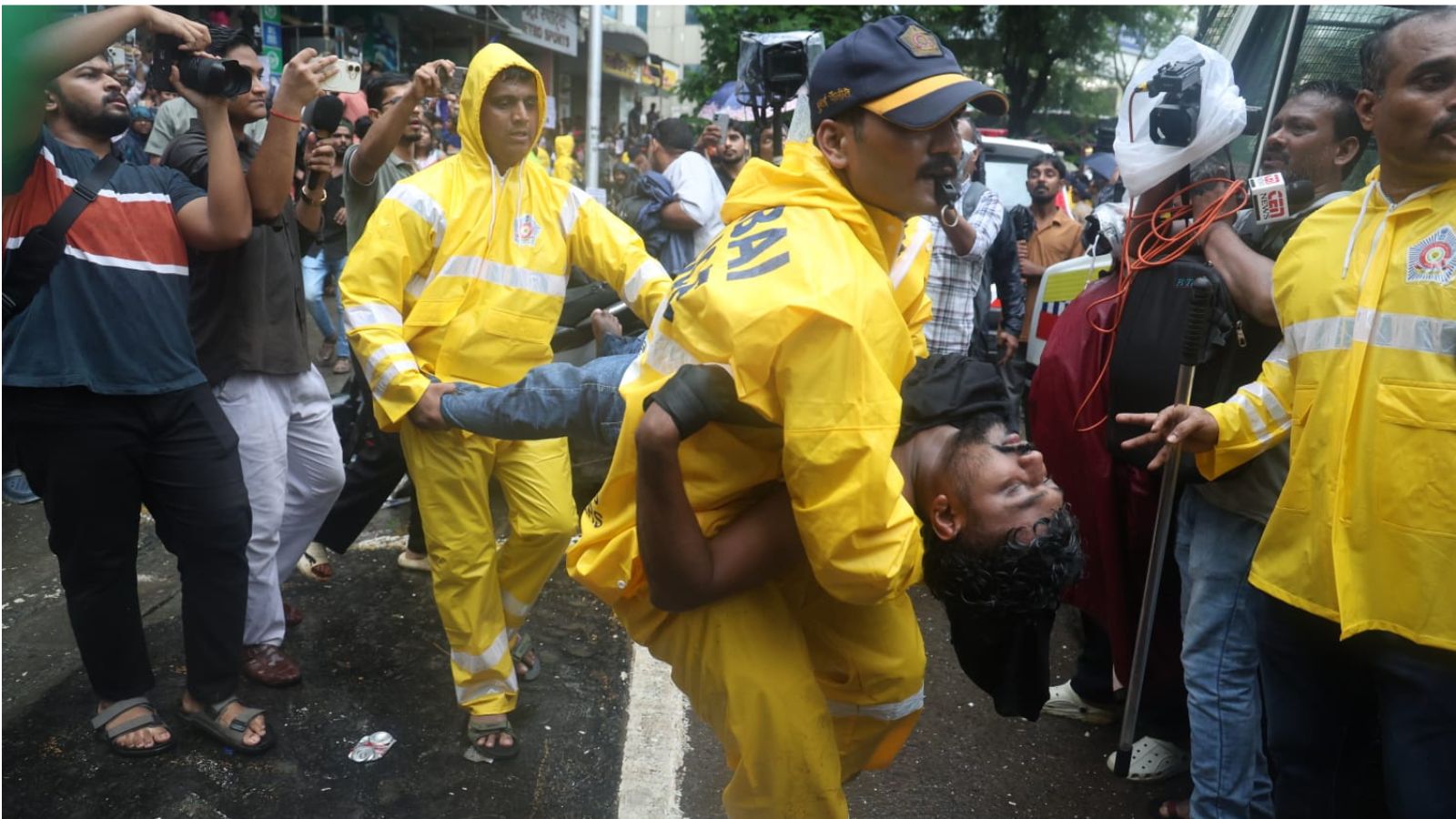
The Centre has assured the Cockroach Janta Party that cases registered against peaceful protesters during the NEET paper leak agitation will be withdrawn. Maharashtra, Bihar and Assam have also announced that criminal cases and legal proceedings against protesters will be dropped.
However, there is no clarity yet on the legal process to be followed. Across several states, protesters continue to receive police notices and summons, raising questions over why legal action is continuing despite the government’s assurance.

While governments can decide to withdraw cases, the procedure depends on the stage of investigation and the mechanism adopted by each state.
What have Maharashtra, Bihar and Assam announced?
On Monday, Assam announced that cases registered against those who participated in the NEET protests would be withdrawn. Bihar and Maharashtra later announced that they would take similar action.
However, none of these states have publicly detailed the legal procedure they will adopt. Legal experts say one option available to the police is to file closure reports before the competent court, stating that the cases need not proceed.
Can an FIR simply be withdrawn?
Once an FIR is registered, police ordinarily investigate the case and either file a chargesheet if sufficient evidence is found or submit a final report recommending that no further action be taken.
Story continues below this ad
Under the Bharatiya Nagarik Suraksha Sanhita (BNSS), police can conclude that there is insufficient evidence to proceed and submit a report before the competent court. The court then decides whether to accept the closure report.
If a chargesheet has already been filed, however, the process becomes longer. In such cases, the prosecution must approach the court seeking withdrawal under Section 360 of the BNSS, and the court’s approval is required.
Why could the process take longer in Maharashtra?
Maharashtra has previously withdrawn FIRs filed against participants in political and social protests through Government Resolutions (GRs). The existing GR lays down eligibility criteria, including that the protest should not have resulted in loss of life or damage to public or private property exceeding Rs 5 lakh.
Story continues below this ad
It also requires scrutiny by a committee comprising police and prosecution officials before cases are recommended for withdrawal. Officials have not yet clarified which route will be followed for the NEET protest cases.
If this process is adopted, investigations would ordinarily continue. Those named in FIRs may have to appear before courts, following which the committee examines each case and recommends whether it should be withdrawn.
Based on the committee’s recommendation, the prosecutor then approaches the court seeking withdrawal. Lawyers say this procedure has caused delays in the past. For instance, cases registered in 2020 against activists and lawyers protesting the attack on JNU students and the Citizenship (Amendment) Act were closed only in 2023, after the state issued a GR in 2022 and the committee recommended withdrawal.
What are protesters asking for now?
Lawyers representing students involved in the NEET protests say the Centre’s assurance should translate into immediate legal relief. Instead of waiting for investigations to conclude and chargesheets to be filed, they want states to issue directions allowing police to file closure reports before courts at the earliest.

Stay updated with the latest – Click here to follow us on Instagram

