

3 min readMay 18, 2026 10:43 AM IST
Celiac disease — a chronic autoimmune disorder triggered by gluten consumption — may be affecting nearly one in every 120 children in Chandigarh, doctors at PGIMER have said, warning that the condition often remains undiagnosed due to increasingly subtle symptoms.
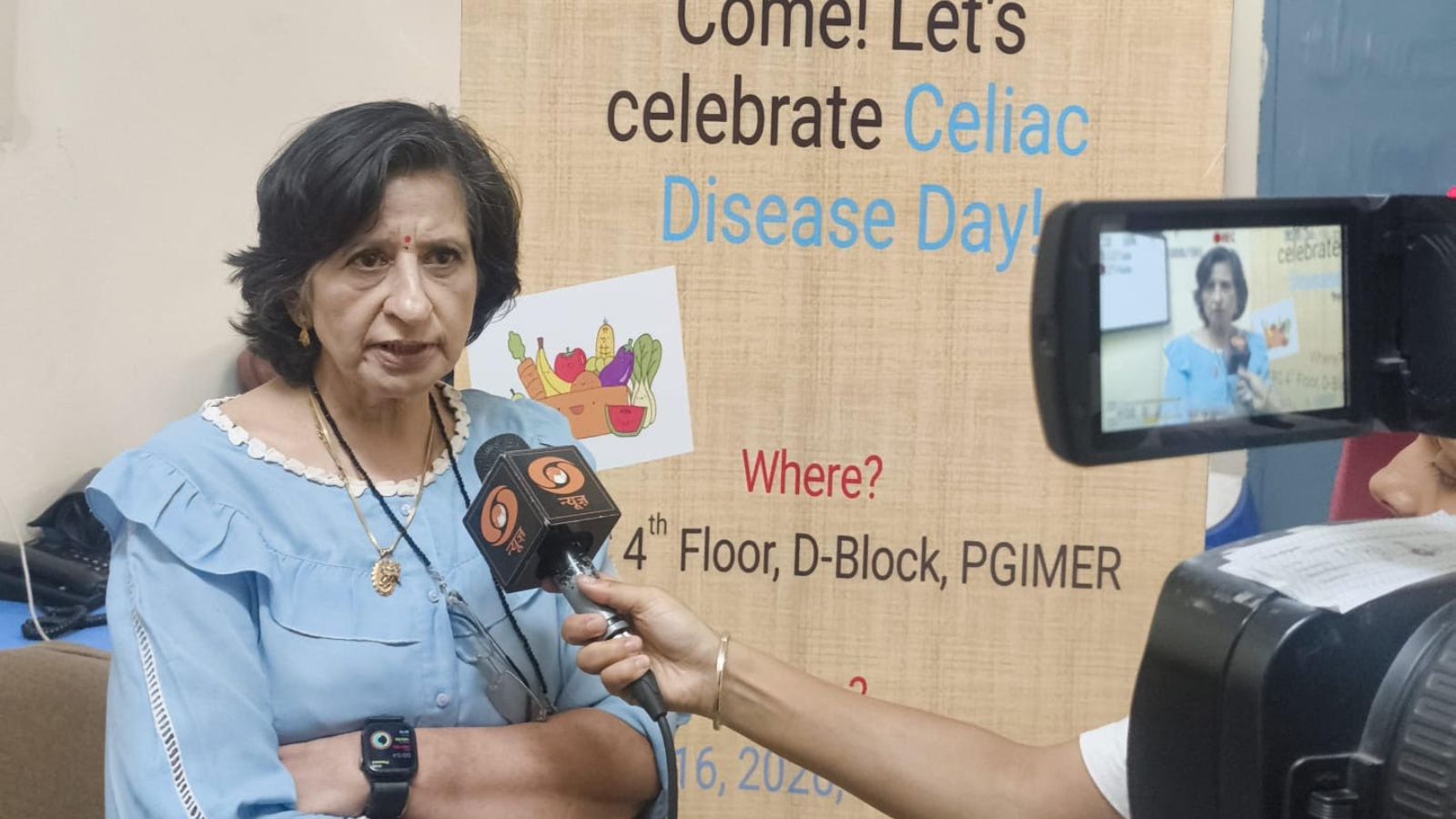
The observations were shared on Friday during a special awareness and patient education programme organised by the Division of Paediatric Gastroenterology and Hepatology at PGIMER to mark Celiac Disease Awareness Day.

Addressing children, parents and caregivers, Sadhna Lal, head of the division, said celiac disease was no longer merely a medical condition but a “lifelong lifestyle transformation” requiring strict dietary discipline and active family support.
Highlighting the rising burden of the disease in North India, Lal said Punjab, Haryana, Himachal Pradesh and Rajasthan reported a higher prevalence because of genetic susceptibility and wheat-heavy diets. “Research conducted by PGIMER through school-based screening in Chandigarh found that nearly one in every 120 children may have celiac disease, making it an important public health concern.”
Doctors said the disease behaves “like an iceberg”, where visible symptoms represent only a fraction of the actual burden. While loose motions and severe growth failure were once considered hallmark symptoms, the clinical profile has now changed considerably.
“Today, many children present with normal growth but may have unexplained anaemia, mild abdominal discomfort or very subtle symptoms. Many cases remain undetected for years while silent intestinal damage continues,” Lal said.
She also stressed that diagnosis should not be based on symptoms alone and requires confirmation through anti-TTG antibody blood tests, followed by endoscopy and intestinal biopsy where required.
Story continues below this ad
According to specialists, the only effective treatment remains a strict lifelong gluten-free diet. Even minor dietary lapses can trigger intestinal damage and long-term complications. Parents were advised to rely on home-cooked gluten-free meals using grains such as jowar, bajra, ragi, maize and pulses, while avoiding processed foods because of contamination risks.
Lal said the PGIMER’s research suggested that the children exclusively breastfed for at least six months tended to have milder disease manifestations. “Children with celiac disease can lead completely normal and fulfilling lives. The focus should remain on education, sports, hobbies and overall personality development.”
The programme included interactive sessions on safe food practices, dietary counselling and ways to maintain gluten-free diets at schools and social gatherings.

