

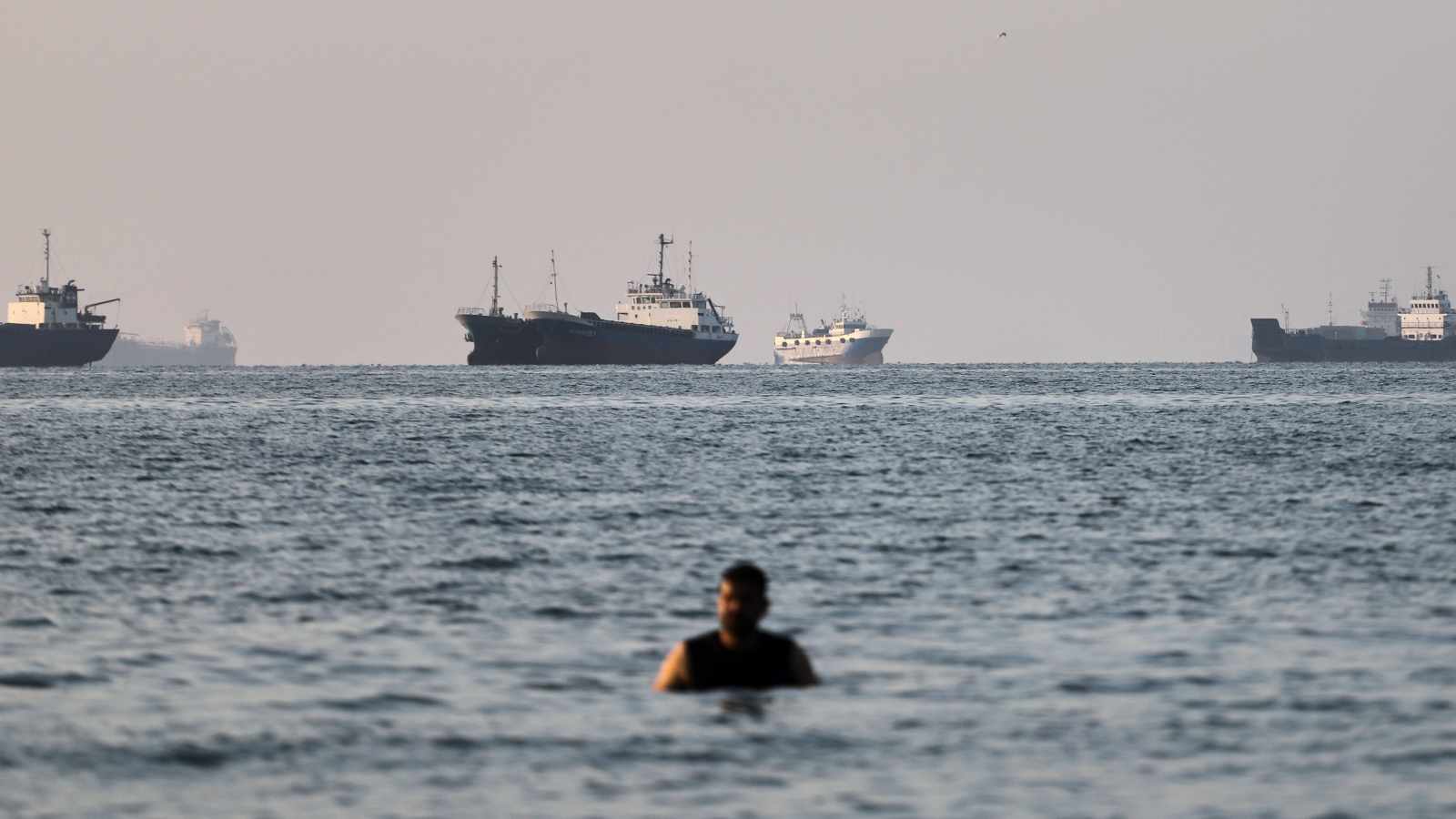
As Iran and the US sealed a peace deal after over three-and-a-half months of war, the Strait of Hormuz — the strategic waterway for the transit of ships catering to global energy supplies — has started unclogging.
According to Iranian media, three Iranian oil tankers and two cargo ships have sailed past the Strait of Hormuz after the US lifted its blockade on Iranian ports.
US President Donald Trump said the memorandum of understanding (MoU) with Iran has already been “signed” electronically, and the Strait of Hormuz will be completely open for shipping traffic by Friday.
Vice President JD Vance added there will be “no tolls” in the crucial water channel during the 60-days of nuclear talks with Tehran.
So, how many ships are waiting to pass through Hormuz?
According to the Secretary General of the International Chamber of Shipping, Thomas A. Kazakos, the announcement of the agreement to end the war came as a relief to about 20,000 seafarers stranded in the waters throughout the time of the war. He said around 500 ships were waiting to exit the area through the strait. “Their safe departure from the region must be a top priority but will take time… will require coordination,” he said, adding, “The International Maritime Organization has a crucial role, working alongside industry and states in the region, to ensure this is done as safely and as quickly as possible.”
He also rued that the war undermined the “fundamental principle of navigation”, and many sailors were injured or killed in the hostilities. “As we now hopefully move towards peace, we must see a permanent return to vessels being able to pass through the Strait of Hormuz unimpeded without paying a toll or other clearance mechanism,” he said.
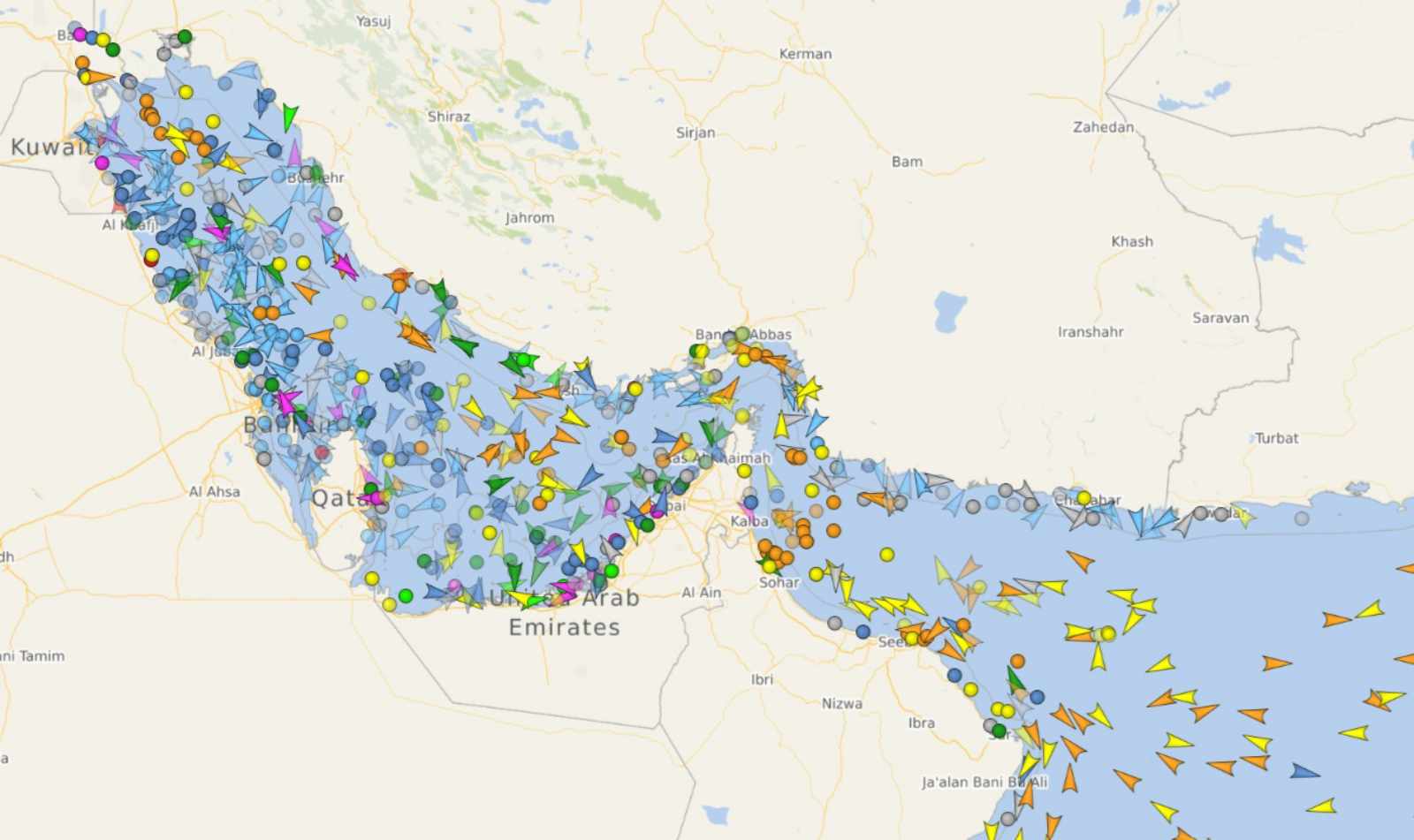 The congestion outside the Strait of Hormuz. (Credit: Vessel Finder)
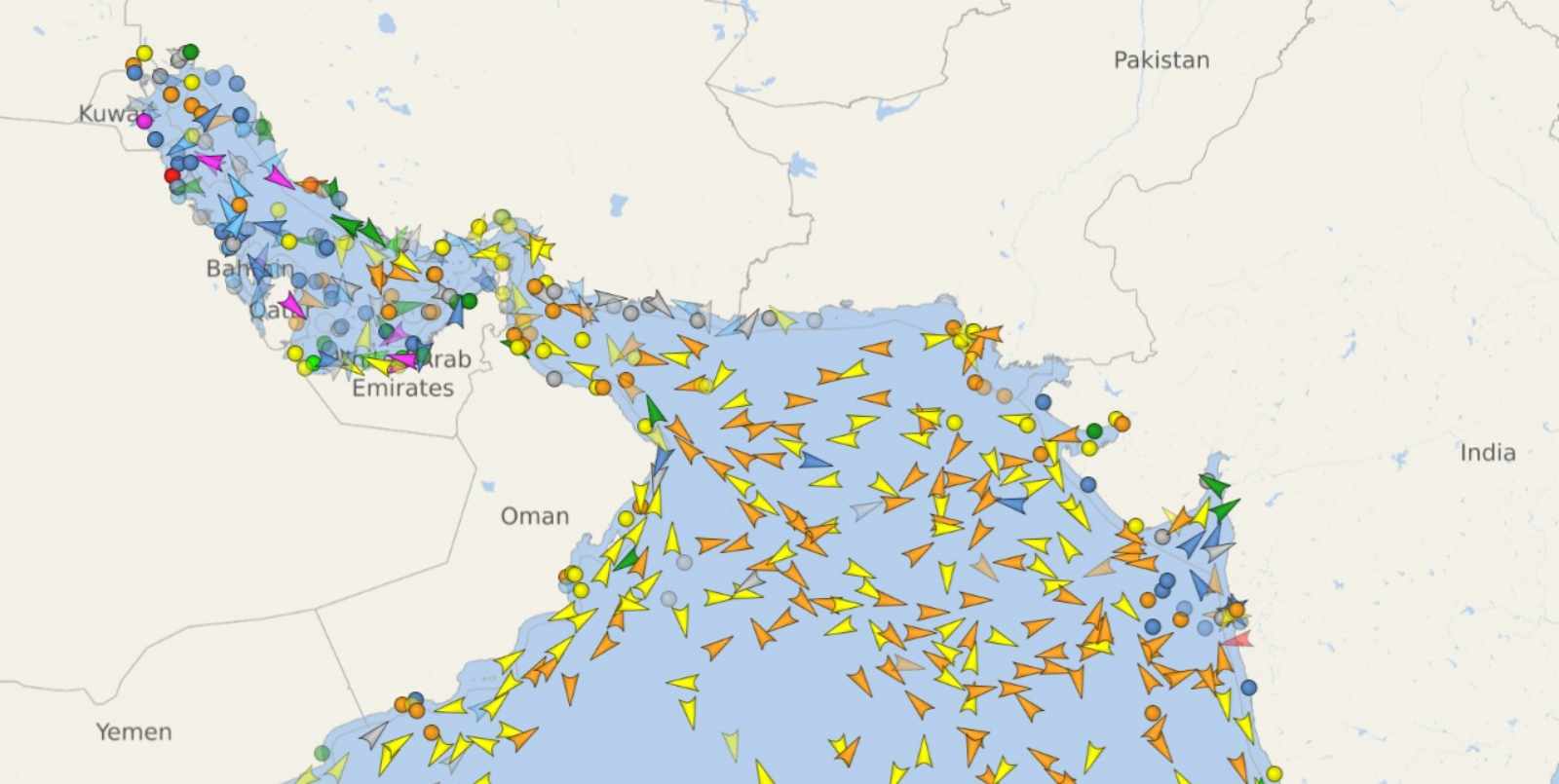 Fleet of ships waiting outside the Strait of Hormuz. (Credit Vessel Finder)
How much traffic is expected now that the Strait has reopened?
Story continues below this ad
The ship traffic through the strait is expected to increase to 50 per cent of the pre-war levels in a month if the deal is implemented without any major hurdles, trade data firm Kpler reported.
The number of ships transiting through Hormuz could go up to 40 per day, as against a count of 100 per day before February 28. However,
As many as 118 tankers are estimated to pass through the reopened transit route in the first 15 days, the analysts at Kpler said.
However, the surge in traffic would be a one-time phenomenon, and the question that needs to be addressed is how many ships would pass that way once the chokepoint is cleared of the backlog.
Story continues below this ad
How long can it take for traffic flow to normalise?
Even as the Strait of Hormuz is braced for a surge in traffic, Matt Wright, the lead freight analyst at Kpler, said shippers that are more apprehensive will wait and watch to see how the initial movement goes.
In a Financial Times report, the head of Mitsui OSK Lines is quoted as stating that transit of vessels through the water channel will not resume until shipowners are sure of the durability of the US-Iran peace deal. The tanker operator stated that it might take weeks before the operations at the strait are back to normal because of the apprehensiveness after multiple false starts over Hormuz reopening, FTreported.
However, oil tanker firm Frontline — five of whose tankers are stuck in the Gulf — said, “vessels will start to move very quickly once a deal is signed”, CNBC reported.
What could hinder the resumption of traffic through Hormuz?
Story continues below this ad
Deal interpretation: With the US and Iran interpreting the deal differently, apprehensions persist over the smooth reopening of the Hormuz.
Hormuz toll-free, but for how long? Iranian state media Tasnim reported Hormuz will allow ships to pass without any toll for 60 days, with Iran and Oman administering the strait beyond that period. Meanwhile, US V-P Vance said the US expected the strait to remain toll-free over a long-term period.
Mines pose a threat: Moreover, it is still not clear how much threat the mines in the Gulf waters pose to ships. Even as US President Trump downplayed the issue, Secretary of State Marco Rubio had said that Iran mined large parts of the strait.
“The threat of mines in the area remains a concern,” global shipping trade group Bimco said Monday, warning the vessels resuming operations in the strait are still at high risk. “Due to lack of details and a history of overly optimistic reassurances, we believe the security situation for the shipping industry remains volatile, and we still consider it very risky for ships to commence transits at this point,” CNBC quoted said Jakob Larsen, chief safety and security officer at Bimco, as saying
— with inputs from CNBC, Financial Times and Al Jazeera

