

3 min readNew DelhiUpdated: Jul 31, 2026 02:58 AM IST
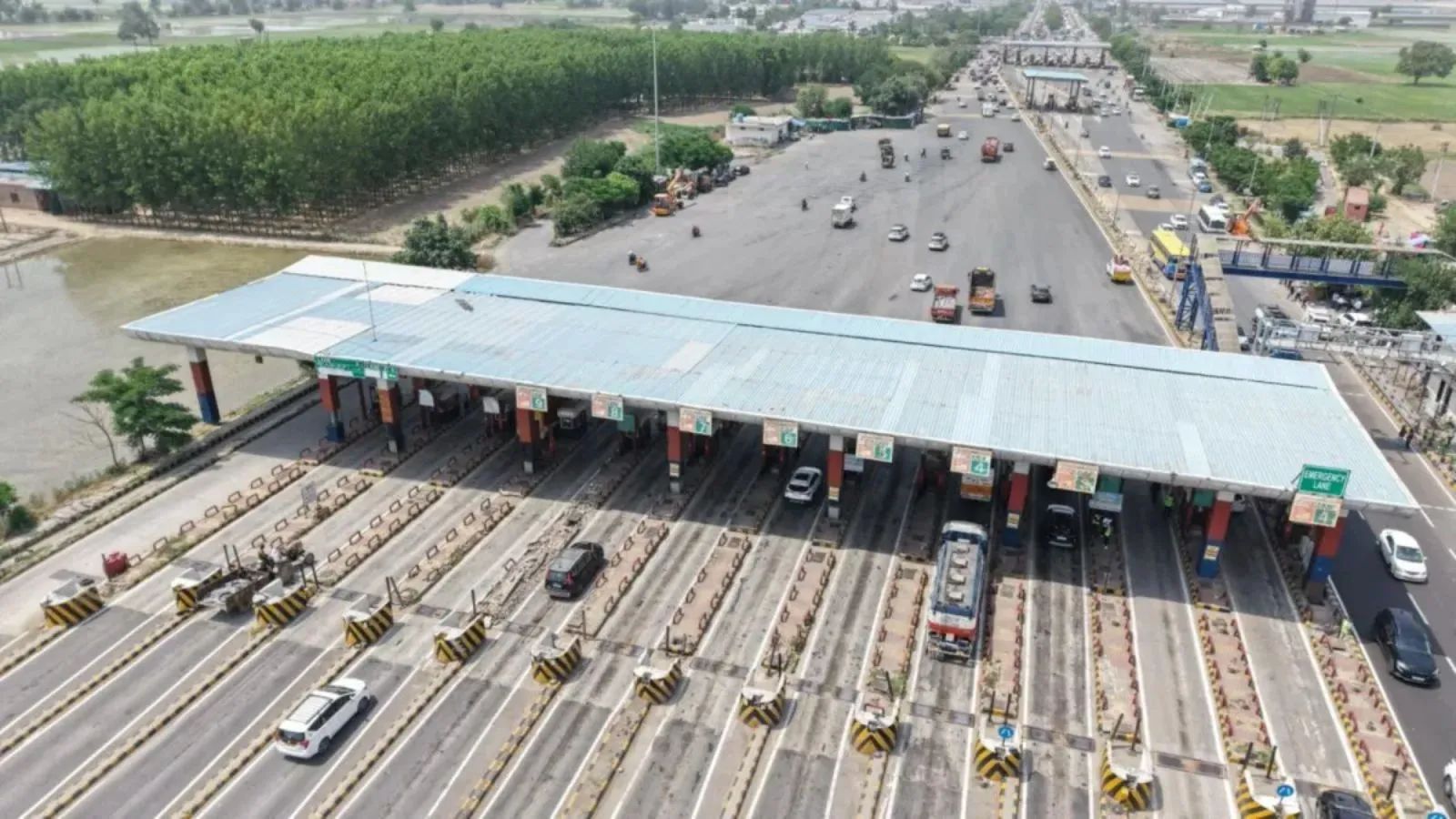
Come August 1 and commuters will no longer have to stop at any toll plaza to pay user fees while travelling through the Gurugram-Jaipur corridor of National Highway 48 (NH-48).
The corridor is set to become a completely barrier-less system starting Saturday.

Officials said that the Multi Lane Free Flow (MLFF) tolling system on Shahjahanpur toll plaza in Rajasthan is likely to go live on August 1.
The MLFF is already active on Daulatpura and Manoharpura toll plazas of NH-48. Shahjahanpur was the last toll gate in the entire Gurugram-Jaipur corridor without the system in place.
The 270-km section on NH-48 is one of the busiest among all national highways.
NH-48 runs from Delhi to Chennai, covering a distance of 2,807 kilometers and traversing seven states. Officials said that once MLFF is implemented on Kukrola (shifted Khedki daula) toll gate, the entire Delhi to Jaipur corridor on NH-48 will become barrier-less.
The MLFF is currently live on five fee plazas: Choryasi (NH-48 in Gujarat); Mundka (UER-II in Delhi); Gharaunda (NH-44 in Haryana); Manoharpura (NH-48 in Rajasthan); and Daulatpura (NH-48 in Rajasthan).
Story continues below this ad
Apart from this, Indian Highways Management Company Ltd (IHMCL) — NHAI’s tolling implementation agency — has awarded the MLFF contract for 12 more fee plazas. These are Boraich on NH-48 in Gujarat; Nemili/Sri Perumbadur and Chenasamudram on NH-48 and Paranur on NH-45 in Tamil Nadu; Kasepalli, Amakathadu and Marur on NH-44 in Andhra Pradesh; Chalakwadi and Hiwargaon Pavsa on NH-50 in Maharashtra; Madanpur on NH-31 in Assam; and Badarpur- Faridabad on NH-19 in Haryana. Further, bids have been invited for an additional 104 fee plazas.
According to the economic survey 2025-26, the MLFF is projected to be implemented across all four-lane and above national highways and expressways by March 2029.
In MLFF, the high-performance Radio Frequency Identification (RFID) readers and Automatic Number Plate Recognition (ANPR) cameras read the FASTag and Vehicle Registration Number (VRN) to deduct the toll amount, thereby negating the need for vehicles to stop at the toll gates.
The system has been launched to reduce travel time, decongest highways (especially near toll plazas), improve fuel efficiency and lower vehicular emission.
Story continues below this ad
Highway users are required to maintain sufficient balance in their FASTag accounts to pass through the barrier-less toll gates. In case of insufficient balance, invalid or nonfunctional FASTag, the users are issued an Electronic Notice (E-Notice) for non-payment of user fee. The amount is required to be paid in 72 hours, failing which the defaulters will have to pay double the toll amount.

