

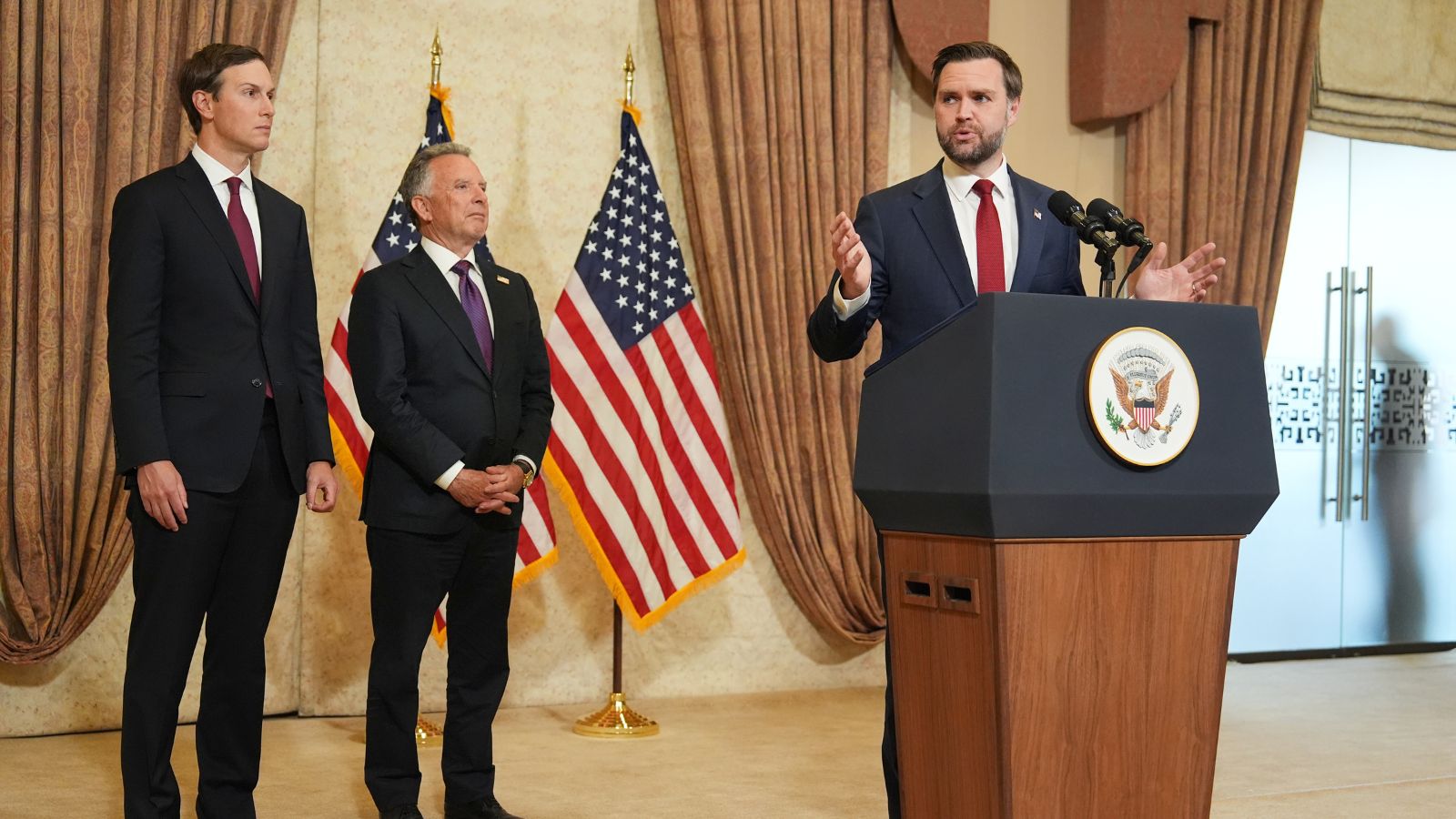
 Vice President JD Vance, right, speaks during a news conference after meeting with representatives from Pakistan and Iran as Jared Kushner, left, and Steve Witkoff, Special Envoy for Peace Missions listen. (Photo: AP)
 Talks between the United States and Iran in Islamabad ended without agreement after around 21 hours of discussions, with both sides divided over how long Tehran should pause its nuclear activity, officials told The New York Times.
The two sides exchanged proposals on suspending Iran’s nuclear programme, but remain far apart on the duration of any deal.

Iran has offered to pause uranium enrichment for up to five years, while the administration of Donald Trump is pushing for a 20-year suspension, according to officials from both sides.
Despite the gap, the discussions suggest there may still be a path forward. Officials said another round of talks is being considered, though no date has been fixed.
‘We’re worlds apart’
US Vice-President JD Vance said before leaving Pakistan that the two sides remain far apart.
Story continues below this ad
“We’re worlds apart… not just now, not just two years from now, but for the long term,” he said.
US officials have proposed a 20-year halt to Iran’s nuclear activity, rather than a permanent ban. This would allow Iran to say it has not given up its right to produce nuclear fuel under international agreements.
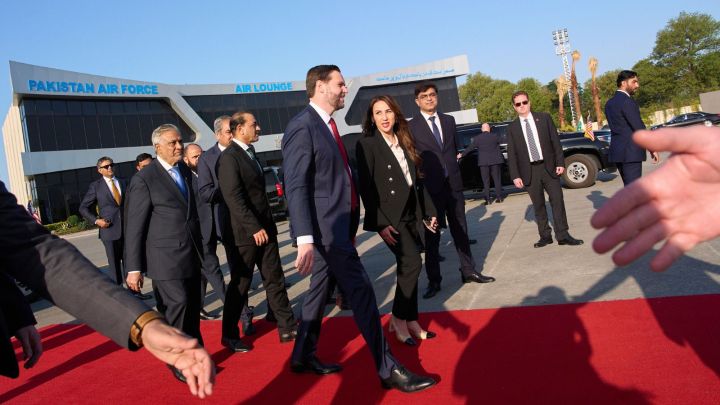
Iran, however, has repeated its offer of a shorter pause. Similar proposals earlier this year failed, leading to further escalation.
Blockade raises tensions
The talks come as the US military began blocking Iranian ports. The move aims to stop Iran’s oil exports and increase pressure on its leadership.
Story continues below this ad
Iran has warned it will respond. A military spokesman said “no port… will be safe” if Iranian ports are targeted.
Shipping in the Strait of Hormuz has also been affected. The route carries a large share of global oil supplies, and disruptions have pushed prices higher in recent weeks.
Why the nuclear issue matters to the US
The central concern for Washington is to ensure Iran cannot build a nuclear weapon. US officials want long-term guarantees and strict checks on Iran’s nuclear programme.
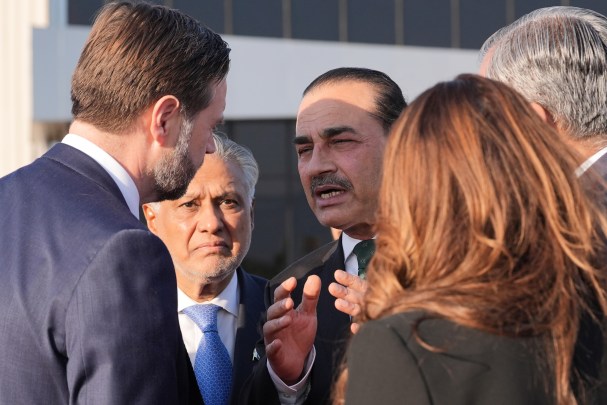
They are also pushing for control over enriched uranium and a system to verify compliance. Without these, US officials say any deal would not be reliable.
Story continues below this ad
Why Iran resists US demands
Iran has said it does not want to give up its nuclear programme entirely. It argues that it has the right to produce nuclear fuel under international rules.
Tehran has also resisted calls to dismantle its facilities or send its stockpile abroad. These issues have been at the centre of disagreements in past talks.
While both sides remain apart, the focus on the duration of a suspension suggests some movement, and officials say further talks could take place soon.

