

Close Menu
  • Home
  • Education
  • Health
  • National News
  • Politics
  • Relationship & Wellness
  • World News
What's Hot

Zerodha CEO Nithin Kamath praises SEBI for proposed NRI investing rule change; says ‘one massive bottleneck’ still remains

August 19, 2026

'Batwara 1947' box office collection day 5: Sunny Deol's film crosses Rs 30 crore, recovers only 24 percent of its budget, 'Awarapan 2' races ahead with Rs 100 crore

August 19, 2026

In the 1990s, a predatory flatworm was released in Samoa to control giant African snails; it later became linked to the decline and extinction of native island snails

August 19, 2026
Facebook X (Twitter) Instagram
Facebook X (Twitter) Instagram YouTube
Global News Bulletin
SUBSCRIBE
  • Home
  • Education
  • Health
  • National News
  • Politics
  • Relationship & Wellness
  • World News
Global News Bulletin
Home»Business»In the 1990s, a predatory flatworm was released in Samoa to control giant African snails; it later became linked to the decline and extinction of native island snails
Business

In the 1990s, a predatory flatworm was released in Samoa to control giant African snails; it later became linked to the decline and extinction of native island snails

editorialBy editorialAugust 19, 2026No Comments4 Mins Read
Facebook Twitter Pinterest LinkedIn Tumblr Email Telegram Copy Link
In the 1990s, a predatory flatworm was released in Samoa to control giant African snails; it later became linked to the decline and extinction of native island snails
Share
Facebook Twitter LinkedIn Pinterest Email Copy Link
In the 1990s, a predatory flatworm was released in Samoa to control giant African snails; it later became linked to the decline and extinction of native island snails
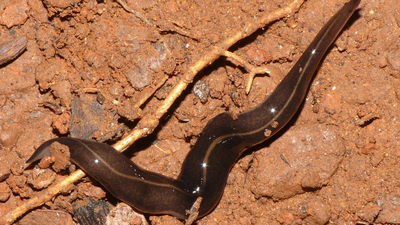
In the 1990s, a predatory flatworm was released in Samoa to control giant African snails

An aggressive predatory flatworm introduced to Pacific islands during the 1990s to control agricultural pests has pushed native land snail species toward extinction, turning a planned biological control program into an ecological disaster. The New Guinea flatworm (Platydemus manokwari) was brought to Samoa and nearby island territories to control the giant African land snail (Achatina fulica), an invasive species that damages local crops. Instead of feeding only on the target pest, the generalist predator began hunting native tree snails, speeding up the decline of unique island ecosystems across the Pacific. According to an ecological study published in PubMed Central, the introduction of generalist predators such as Platydemus manokwari is a classic example of failed biological control. Research available through the National Institutes of Health shows that the flatworm spread quickly through tropical island habitats, followed tree-dwelling snails into forest canopies, and wiped out native populations that had evolved for millions of years without protection against terrestrial flatworms.

Pacific snail disaster timeline

Mid-20th century: Giant African snail invades Pacific islands and damages crops1990s: Predatory flatworm (P. manokwari) released as a biological control2010s to present: Native tree snail populations suffer major declines and extinctionsFederal response: US Fish & Wildlife Service lists affected species under the Endangered Species Act

Federal documentation records severe decline

The scale of the ecological damage is detailed in wildlife records published by the US Federal Register (Vol. 80, No. 197 / 2015-25298). Under the Endangered Species Act, the US Fish and Wildlife Service formally listed several native snail species in American Samoa as endangered or threatened. Federal scientists identified predation by introduced flatworms as a major threat to their survival. The report notes that Platydemus manokwari is especially dangerous because it can climb trees and move through leaf litter. This allows it to hunt both ground-dwelling and tree-dwelling snails. Unlike specialized biological control agents designed to target one species, the flatworm feeds on almost any terrestrial mollusc it encounters.

Flatworm impact profile

• Target pest: Giant African snail (Achatina fulica)• Intended purpose: Agricultural crop protection• Actual behavior: Attacked native tree snails, including Partula and Samoana species• Hunting ability: Moves through leaf litter and climbs into tree canopies• Ecological status: Listed among the world’s 100 worst invasive alien species

The failure of introduced predators

The introduction of Platydemus manokwari was an attempt to fix earlier failures in biological control. Decades earlier, agricultural authorities in several Pacific territories had introduced the rosy wolfsnail (Euglandina rosea) to control giant African snails. That effort also failed because the wolfsnail often targeted native tree snails instead of the larger agricultural pest. Despite warnings from malacologists and conservation biologists, the New Guinea flatworm was moved between island groups during the 1990s as another quick solution to crop damage. Research compiled in PubMed Central shows that once Platydemus manokwari becomes established on an island, removing it is extremely difficult because of its small size, nocturnal behavior, and ability to reproduce quickly.1950s: Giant African land snail spreads across Pacific islands1970s: Rosy wolfsnail introduced as biological control but attacks native snails1990s: New Guinea flatworm released in Samoa as another control measure2000s: Flatworm spreads through forest canopies and reduces endemic snail populations2015: US Federal Register formally classifies affected native snails as endangered

Fragile island biodiversity under pressure

Island snails, especially species from the Partula and Samoana genera, play important ecological roles as decomposers. They feed on decaying plant material and fungi in rainforest canopies. Many of these species live only in individual valleys or isolated mountain areas. As a result, even limited predation by introduced flatworms can wipe out an entire species within a short period. The Federal Register report notes that terrestrial snails on Pacific islands have some of the highest extinction rates among animal groups worldwide. Habitat loss, climate change, and introduced predators have placed additional pressure on the remaining populations. Surviving native snails now depend on strict biosecurity measures and captive breeding programs operated by international zoos and conservation groups. Strict biosecurity rules also control the movement of soil and plant material between islands. The goal is to prevent Platydemus manokwari from reaching the few remaining Pacific areas that are still free of the predatory flatworm.A conservation failure that began as pest control has become a warning about the unintended consequences of introducing predators to fragile island ecosystems.

Follow on Google News Follow on Flipboard
Share. Facebook Twitter Pinterest LinkedIn Tumblr Email
Previous ArticleAbhijeet Dipke’s ‘School Thik Karo’ drive brings 1st ever computer to his village school
Next Article 'Batwara 1947' box office collection day 5: Sunny Deol's film crosses Rs 30 crore, recovers only 24 percent of its budget, 'Awarapan 2' races ahead with Rs 100 crore
editorial
  • Website

Related Posts

Zerodha CEO Nithin Kamath praises SEBI for proposed NRI investing rule change; says ‘one massive bottleneck’ still remains

August 19, 2026

'Batwara 1947' box office collection day 5: Sunny Deol's film crosses Rs 30 crore, recovers only 24 percent of its budget, 'Awarapan 2' races ahead with Rs 100 crore

August 19, 2026

Abhijeet Dipke’s ‘School Thik Karo’ drive brings 1st ever computer to his village school

August 19, 2026

'Credibility well established globally': MEA on Trump's praise for CEC Gyanesh Kumar

August 19, 2026

Eight wickets to fast bowlers on a 14-wicket day: Galle Test refuses to follow the script

August 19, 2026

IND vs SL 1st Test: India on verge of massive win as Sri Lanka four down in chase of 372

August 19, 2026
Add A Comment
Leave A Reply Cancel Reply

Economy News

Zerodha CEO Nithin Kamath praises SEBI for proposed NRI investing rule change; says ‘one massive bottleneck’ still remains

By editorialAugust 19, 2026

Zerodha founder Nithin Kamath Zerodha founder and CEO Nithin Kamath recently praised SEBI for proposing…

'Batwara 1947' box office collection day 5: Sunny Deol's film crosses Rs 30 crore, recovers only 24 percent of its budget, 'Awarapan 2' races ahead with Rs 100 crore

August 19, 2026

In the 1990s, a predatory flatworm was released in Samoa to control giant African snails; it later became linked to the decline and extinction of native island snails

August 19, 2026
Top Trending

Zerodha CEO Nithin Kamath praises SEBI for proposed NRI investing rule change; says ‘one massive bottleneck’ still remains

By editorialAugust 19, 2026

Zerodha founder Nithin Kamath Zerodha founder and CEO Nithin Kamath recently praised…

'Batwara 1947' box office collection day 5: Sunny Deol's film crosses Rs 30 crore, recovers only 24 percent of its budget, 'Awarapan 2' races ahead with Rs 100 crore

By editorialAugust 19, 2026

The box office journey of Sunny Deol’s period drama ‘Batwara 1947’ has…

In the 1990s, a predatory flatworm was released in Samoa to control giant African snails; it later became linked to the decline and extinction of native island snails

By editorialAugust 19, 2026

In the 1990s, a predatory flatworm was released in Samoa to control…

Subscribe to News

Get the latest sports news from NewsSite about world, sports and politics.

Facebook X (Twitter) Instagram YouTube

News

  • Education
  • Health
  • National News
  • Relationship & Wellness
  • World News
  • Politics

Company

  • Information
  • Advertising
  • Classified Ads
  • Contact Info
  • Do Not Sell Data
  • GDPR Policy
  • Media Kits

Services

  • Subscriptions
  • Customer Support
  • Bulk Packages
  • Newsletters
  • Sponsored News
  • Work With Us

Subscribe to Updates

Get the latest creative news from FooBar about art, design and business.

© Copyright Global News Bulletin.
  • Privacy Policy
  • Terms
  • Accessibility
  • Website Developed by Plenary Media Solution

Type above and press Enter to search. Press Esc to cancel.