

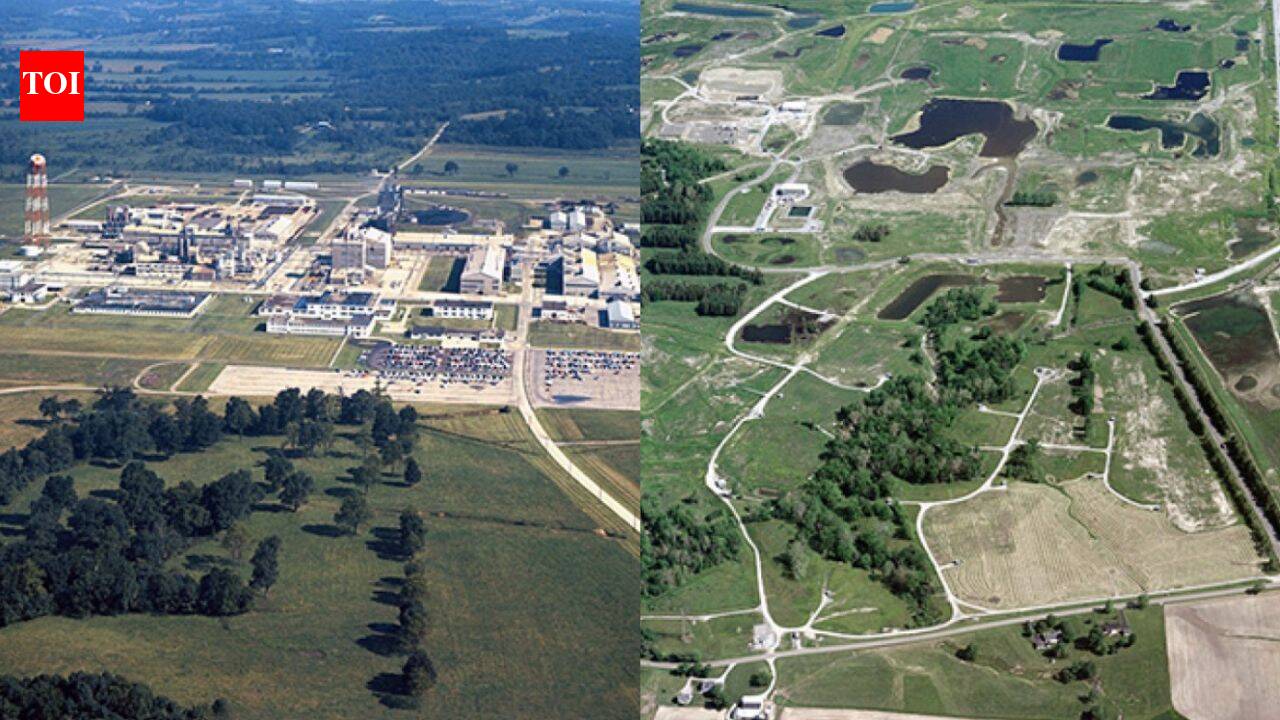
For nearly four decades, a site in Ohio was part of the United States’ nuclear weapons production programme. Today, the same land has been turned into the Fernald Preserve, with wetlands, prairies, forests, walking trails and a Visitors Center that tells the story of its past.According to US Energy department, its Fernald property, located northwest of Cincinnati, once housed the Feed Materials Production Center. The facility produced high-grade uranium metal products and served as the first link in America’s nuclear weapons production cycle. Uranium production at the site ended in 1989, after which its mission changed from production to environmental cleanup.What followed was a massive effort to remove radioactive and other contaminated material from the site. The cleanup cost $4.4 billion and involved work such as sampling, analysing contamination, demolishing buildings, removing waste and treating contaminated groundwater. The project covered the 1,050-acre site and was carried out with the involvement of government agencies, regulators and the local community.The cleanup was completed in 2006. At the time, it was described as one of the largest environmental cleanups in US history. The project finished 12 years earlier than the original estimated completion date and cost $4.4 billion.The former industrial site then began a very different chapter. Instead of uranium production, the land became the Fernald Preserve, where native trees, prairie grasses and wetlands now form habitats for wildlife.
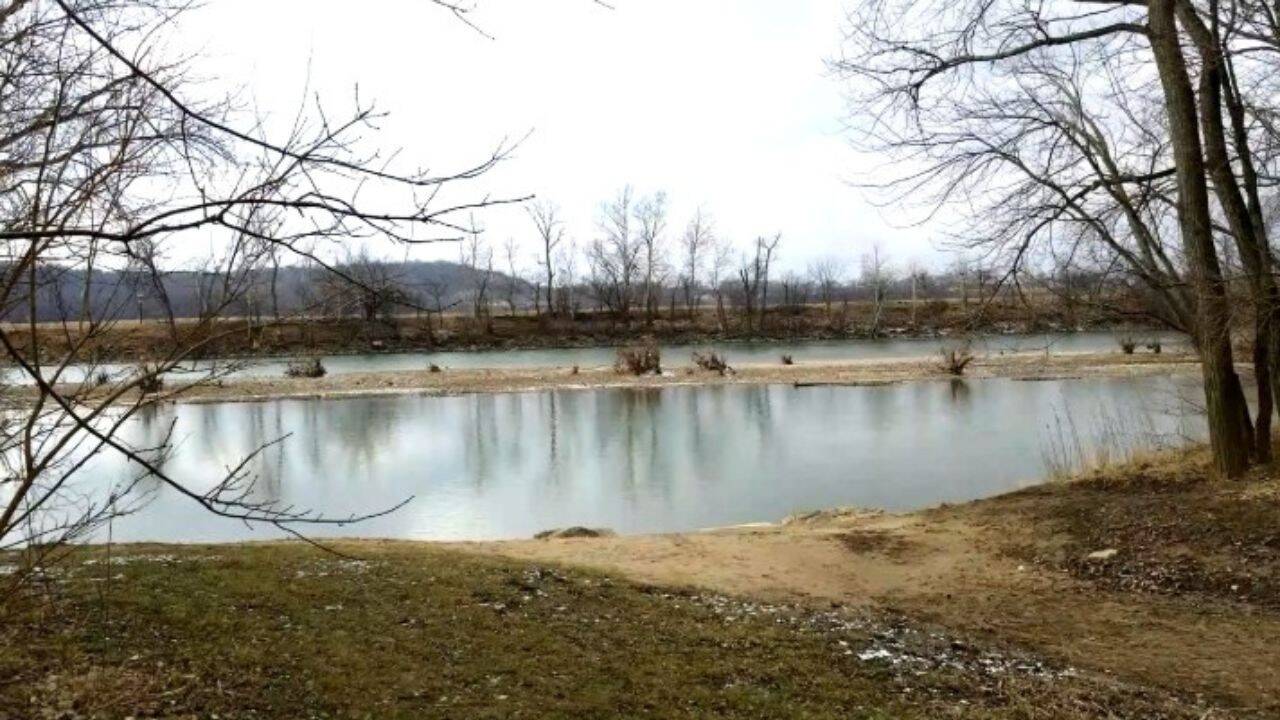
The site now houses native trees, prairie grasses and wetlands.
The $4.4 billion cleanup
Turning the former uranium production facility into a preserve required much more than removing old buildings. The cleanup involved radioactive waste, contaminated soil, waste pits and groundwater.Workers dismantled 323 buildings, including 10 major uranium production complexes and administrative structures. They also excavated and shipped 1 million tons of waste from six waste pits.An on-site disposal facility was built to hold 3 million cubic yards of contaminated dirt and debris from facility demolition. More than 100,000 drums of waste and 31 million pounds of uranium product were also removed from the site.Another major part of the work involved groundwater. A 225-acre plume of uranium contamination in the underlying aquifer was treated.A plume is an area underground where a contaminant has spread through groundwater. At Fernald, the cleanup included pumping and treating groundwater to reduce uranium contamination.The earlier cleanup programme also included the removal and treatment of radioactive waste from three large concrete silos. According to the US Department of Energy, this eliminated the world’s largest source of radon gas at the time.The work required large waste treatment and handling systems. More than $300 million was spent on designing, building, operating and dismantling this infrastructure.
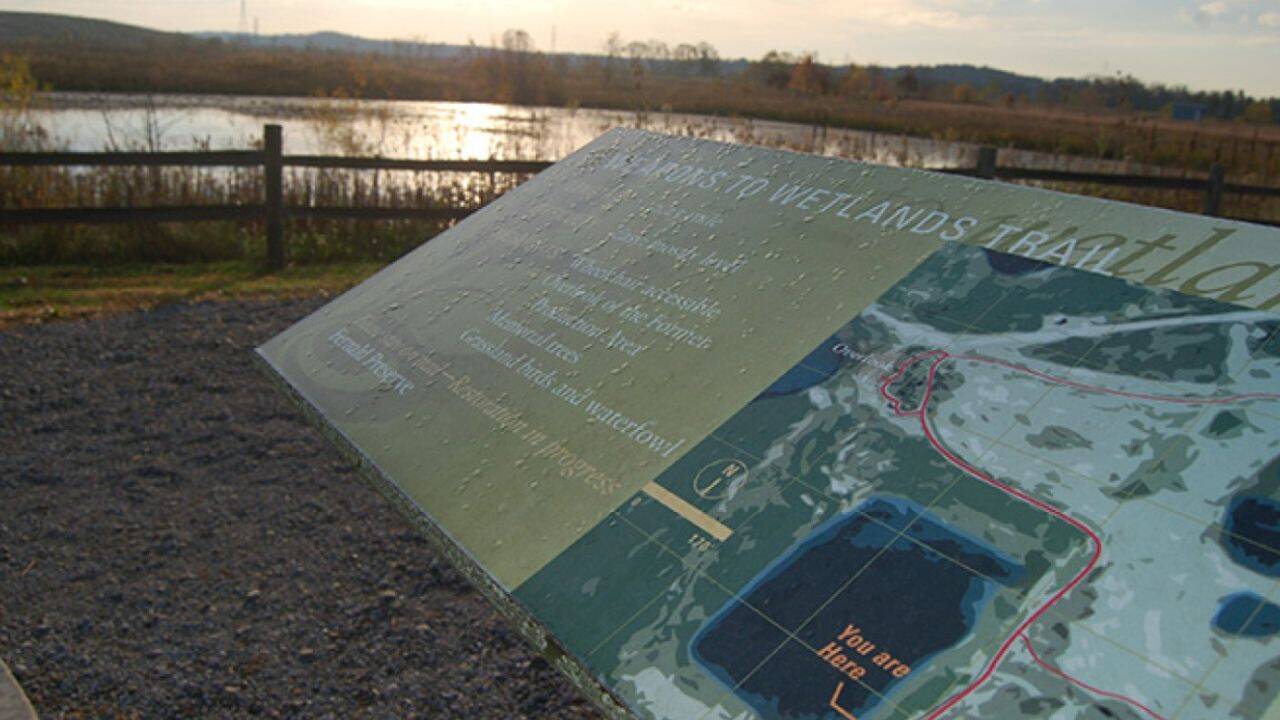
The site’s Native history is now part of the story presented at the Visitors Center
The trasformation
After the industrial facilities were removed, the focus shifted towards restoring the land. Native trees, prairie grasses and wetlands were established across the former production site.The restoration created areas that support wildlife habitat and changed the appearance and use of the property. Land that once contained uranium production facilities became a place where visitors can walk trails and see restored natural areas.The history of Fernald goes back much further than its uranium-processing years. The land was inhabited by Native American tribes long before recorded history. People observed the changing seasons and used the land for growing and harvesting crops and hunting game.That history is now part of the story presented at the Fernald Preserve Visitors Center. The centre was completed in the summer of 2008 and was created after discussions with Fernald’s neighbours and local communities, who wanted the former industrial property to become a community asset.The Visitors Center was designed not only to explain the site’s nuclear history but also to serve as an educational resource. Its meeting room can be used by community and school groups, while visits to the site can support lessons in subjects ranging from history to the life sciences.The building was also designed with environmental features. It was planned and constructed to meet the standards of the US Green Building Council’s Leadership in Energy and Environmental Design, or LEED, rating system.The centre uses a ground-source heat pump for heating and cooling. It also has a bio-wetland designed to treat wastewater.A bio-wetland uses water, plants, microorganisms and natural surroundings such as sunlight, soil and air to treat wastewater. The system is part of the building’s environmental design.One of the building’s major design features also connects it with the land’s earlier history. On the summer and winter solstices, sunlight can be viewed along an axis through a set of aligned glass doors, over the Cold War Garden and beyond.

