
Close Menu
  • Home
  • Education
  • Health
  • National News
  • Politics
  • Relationship & Wellness
  • World News
What's Hot

In 1869, the Suez Canal connected the Red Sea to the Mediterranean; over 150 years later, 120 fish species have crossed and scientists predict the next three

August 1, 2026

A 14-kilometre iceberg cut off food supply to an Antarctic penguin colony, and chick numbers dropped by 69% in one breeding season

August 1, 2026

Amazon gets $600 million Trump tariff refund: Two ways company is passing on these millions to buyers

August 1, 2026
Facebook X (Twitter) Instagram
Facebook X (Twitter) Instagram YouTube
Global News Bulletin
SUBSCRIBE
  • Home
  • Education
  • Health
  • National News
  • Politics
  • Relationship & Wellness
  • World News
Global News Bulletin
Home»Business»A 14-kilometre iceberg cut off food supply to an Antarctic penguin colony, and chick numbers dropped by 69% in one breeding season
Business

A 14-kilometre iceberg cut off food supply to an Antarctic penguin colony, and chick numbers dropped by 69% in one breeding season

editorialBy editorialAugust 1, 2026No Comments4 Mins Read
Facebook Twitter Pinterest LinkedIn Tumblr Email Telegram Copy Link
A 14-kilometre iceberg cut off food supply to an Antarctic penguin colony, and chick numbers dropped by 69% in one breeding season
Share
Facebook Twitter LinkedIn Pinterest Email Copy Link
A 14-kilometre iceberg cut off food supply to an Antarctic penguin colony, and chick numbers dropped by 69% in one breeding season
How one iceberg changed everything for Antarctic penguin colony

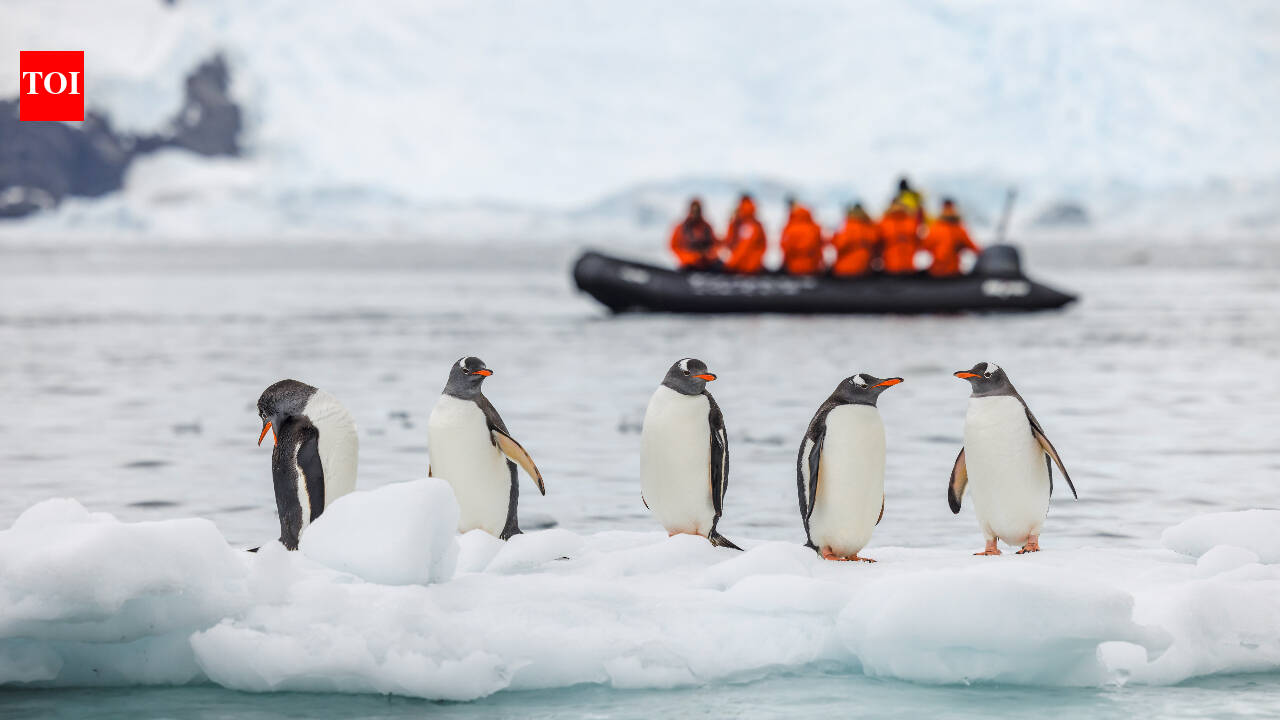
When it comes to nature, it often reminds us that even the smallest change in the environment can ripple through an entire ecosystem. According to experts, in Antarctica, life depends on a fine balance of sea ice, open water and seasonal rhythms. A lone iceberg has shown just how fine that balance can be. The huge block of ice, which was nearly 14 kilometres long, was an unexpected hurdle for one of the world’s most iconic species – the emperor penguin. A research report published by Phys Org has found that the iceberg drastically altered penguins’ route to feeding grounds, making parents travel farther to find food. The research highlights that the outcome was shocking with numbers of emperor penguin chicks on Coulman Island falling by almost 69 per cent in one breeding season.

How one iceberg changed everything

The research was published in Communications Earth & Environment and focused on the emperor penguin colony at Antarctica’s Coulman Island during the 2025 breeding season. According to the report, researchers recorded a dramatic drop in chick numbers, with only 6,658 live chicks recorded during aerial surveys in November and December 2025. This represented a 69 per cent decline from the 2024 breeding season and the average chick count from between 2017 and 2024. And while the overall sea ice conditions were good, scientists discovered another surprising reason for the decline, a giant grounded iceberg had blocked the best route for the colony to get food.

The long march to survival
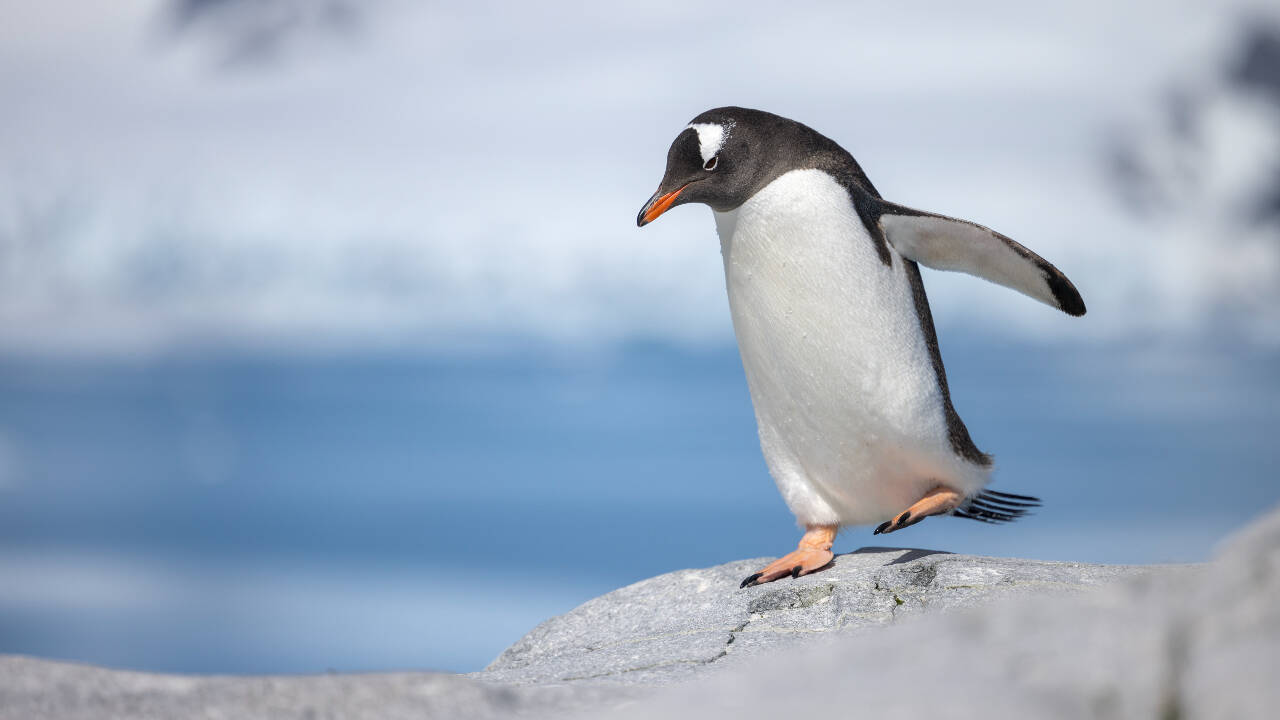
Satellite observations revealed the calving of the iceberg in March 2025

Satellite observations revealed the calving of the iceberg in March 2025

If experts are to be believed, emperor penguins depend on a fine balance for successful breeding. Adults need stable sea ice to nest and reliable access to open water feeding areas where they hunt fish, squid and krill. Satellite observations revealed the calving of the iceberg in March 2025, which measured about 13.9km by 4km, before it drifted towards Coulman Island. By 28 July 2025, the critical hatching period, it had become grounded only 3 to 5 kilometres north of the penguin colony. Researchers also found that the iceberg’s steep southern face forced adult penguins to take a much longer route to get to feeding grounds.

Why the chicks paid the cost

Unlike mature penguins, emperor penguin chicks cannot survive without being regularly fed by their parents. Longer foraging trips mean that adults are away from the colony for longer, reducing the number of visits to feed. Chicks get less food and grow weaker, reducing their chance of surviving the harsh Antarctic environment. The researchers did not observe starvation or mortality during the study, but they say the increased travel distance was probably an important factor in the reduced breeding success. The findings also demonstrate that physical barriers, not just changing temperatures or melting ice, can reshape wildlife populations by disrupting access to essential resources.

A glimpse into a fragile ecosystem
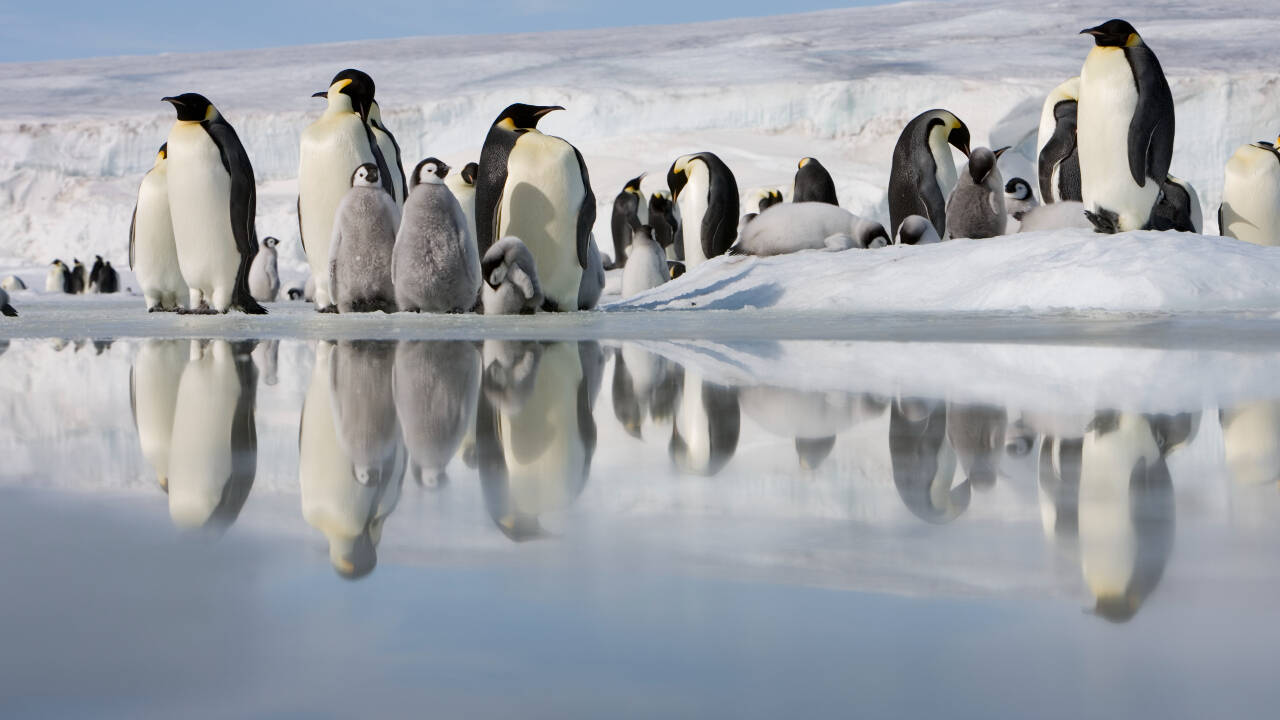
The findings also demonstrate that physical barriers, not just changing temperatures or melting ice, can reshape wildlife populations

The findings also demonstrate that physical barriers, not just changing temperatures or melting ice, can reshape wildlife populations

Scientists have known for years that emperor penguins are in trouble due to the loss of sea ice. Stable ice offers breeding platforms and open water nearby offers food. But this research adds yet another important dimension. Even if the sea ice looks healthy and isn’t threatened, the presence of large icebergs may have a large impact on breeding success by affecting access to foraging routes, although this is temporary and natural. It suggests that a simple look at major climate trends is not enough to understand penguin populations. Local environmental shifts can quickly impact survival, and these need to be factored in.

Implications for future research

The researchers caution that their observations are for one breeding season, and demonstrate correlation, not causation, with certainty. Longer-term monitoring will be needed to determine whether similar iceberg events have consistent effects on reproductive success. But the study expands scientific understanding of the complex problems facing Antarctica’s wildlife. With satellite monitoring and aerial surveys becoming ever more sophisticated, scientists will be better able to track how changing ice landscapes, driven by climate, ocean currents or natural iceberg movement, shape the future of emperor penguin colonies.In one of the most remote places on Earth, a story of a lonely, drifting iceberg has become a powerful metaphor for the interconnectedness of nature. A few-kilometre detour meant the difference between thriving and struggling for Coulman Island’s emperor penguins; in the polar world, survival can depend on pathways we can’t always see.Images Courtesy: istock

Follow on Google News Follow on Flipboard
Share. Facebook Twitter Pinterest LinkedIn Tumblr Email
Previous ArticleAmazon gets $600 million Trump tariff refund: Two ways company is passing on these millions to buyers
Next Article In 1869, the Suez Canal connected the Red Sea to the Mediterranean; over 150 years later, 120 fish species have crossed and scientists predict the next three
editorial
  • Website

Related Posts

In 1869, the Suez Canal connected the Red Sea to the Mediterranean; over 150 years later, 120 fish species have crossed and scientists predict the next three

August 1, 2026

Amazon gets $600 million Trump tariff refund: Two ways company is passing on these millions to buyers

August 1, 2026

'Jana Nayagan' star Vijay watched Dhanush's 'Thiruchitrambalam' with fans in Hyderabad and called the actor after the screening to laud his performance, reveals lyricist Vivek

August 1, 2026

Fallout in West Indies camp? Alzarri Joseph hits back at Daren Sammy over 'declined selection' claim

August 1, 2026

President Murmu assents to anti-paper leak amendment Bill

August 1, 2026

'Jana Nayagan' box office collection day 10 [Live]: Vijay and Pooja Hegde starrer sees weekend boost, crosses Rs 184 crore in India

August 1, 2026
Add A Comment
Leave A Reply Cancel Reply

Economy News

In 1869, the Suez Canal connected the Red Sea to the Mediterranean; over 150 years later, 120 fish species have crossed and scientists predict the next three

By editorialAugust 1, 2026

More than 120 fish species have migrated from the Red Sea into the Mediterranean Since…

A 14-kilometre iceberg cut off food supply to an Antarctic penguin colony, and chick numbers dropped by 69% in one breeding season

August 1, 2026

Amazon gets $600 million Trump tariff refund: Two ways company is passing on these millions to buyers

August 1, 2026
Top Trending

In 1869, the Suez Canal connected the Red Sea to the Mediterranean; over 150 years later, 120 fish species have crossed and scientists predict the next three

By editorialAugust 1, 2026

More than 120 fish species have migrated from the Red Sea into…

A 14-kilometre iceberg cut off food supply to an Antarctic penguin colony, and chick numbers dropped by 69% in one breeding season

By editorialAugust 1, 2026

How one iceberg changed everything for Antarctic penguin colony When it comes…

Amazon gets $600 million Trump tariff refund: Two ways company is passing on these millions to buyers

By editorialAugust 1, 2026

Amazon got $600 million back in Trump tariff refunds. Some shoppers will…

Subscribe to News

Get the latest sports news from NewsSite about world, sports and politics.

Facebook X (Twitter) Instagram YouTube

News

  • Education
  • Health
  • National News
  • Relationship & Wellness
  • World News
  • Politics

Company

  • Information
  • Advertising
  • Classified Ads
  • Contact Info
  • Do Not Sell Data
  • GDPR Policy
  • Media Kits

Services

  • Subscriptions
  • Customer Support
  • Bulk Packages
  • Newsletters
  • Sponsored News
  • Work With Us

Subscribe to Updates

Get the latest creative news from FooBar about art, design and business.

© Copyright Global News Bulletin.
  • Privacy Policy
  • Terms
  • Accessibility
  • Website Developed by Plenary Media Solution

Type above and press Enter to search. Press Esc to cancel.