

5 min readNew DelhiUpdated: Jul 30, 2026 09:26 PM IST
After days of disruptions in both Houses over the NEET paper leak and police action on protesting students on July 20, the Lok Sabha on Thursday passed the Public Examination (Prevention of Unfair Means) Amendment Bill, 2026 by a voice vote. Rajya Sabha, which took the Bill up for discussion on Thursday, also cleared it by voice vote.
Why was the Bill introduced?

Parliament had passed the Public Examination (Prevention of Unfair Means) Act, 2024 in 2024 to provide strict punishments for those involved in unfair means, including leaking of question papers, in examinations conducted by the Union Public Service Commission, the Staff Selection Commission, the Railway Recruitment Board, the Institute of Banking Personnel Selection and the National Testing Agency, which conducts the NEET exam. The Act came into effect in June 2024.
Amid the students’ movement against paper leaks, sparked by the leak of the NEET UG paper in May this year, Prime Minister Narendra Modi, in a late-night social media post on July 23, announced that the government would bring a Bill with stringent measures against paper leaks. On July 24, the Cabinet approved the Bill amending the 2024 Act.
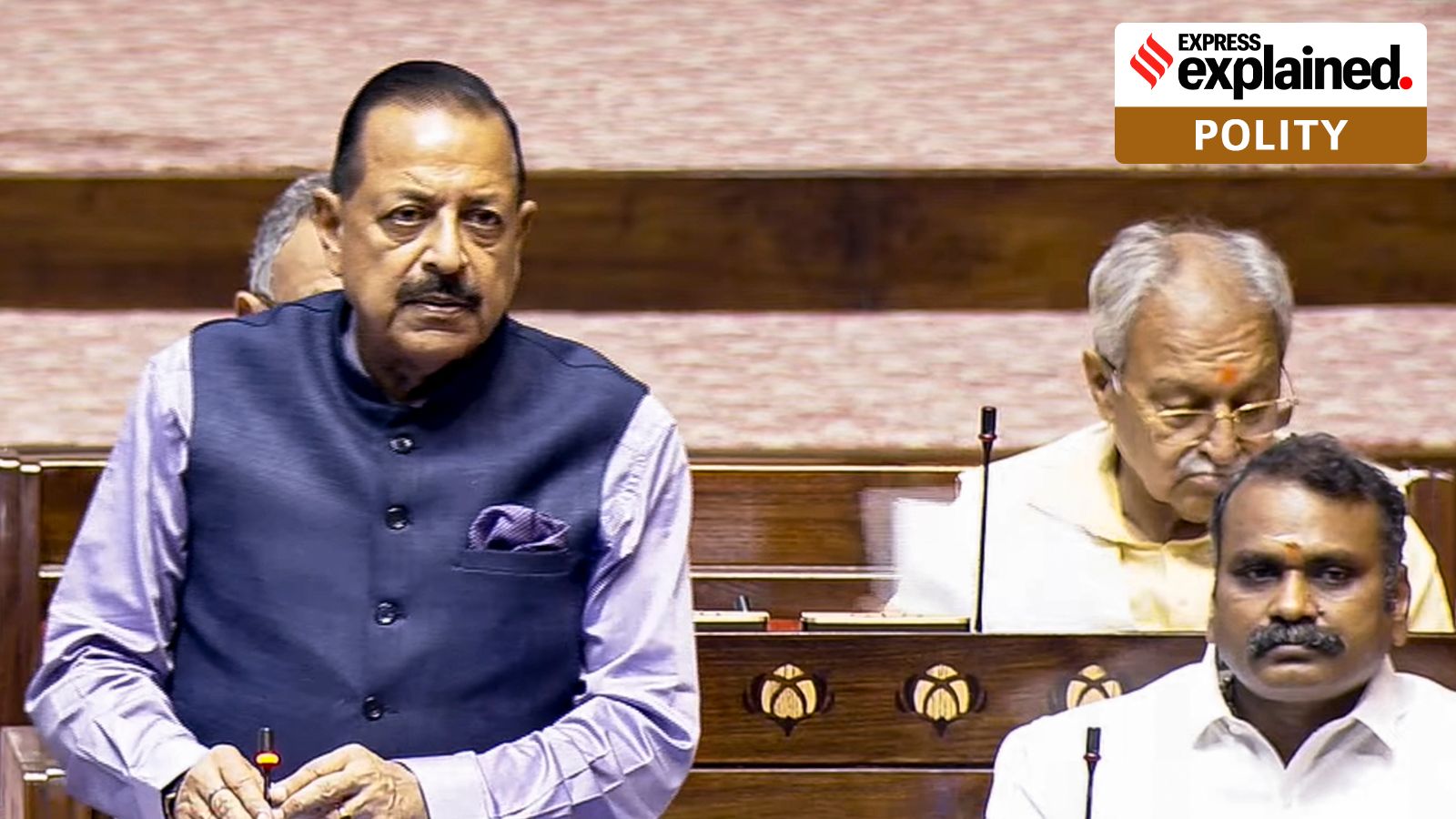
In the statement of objects and reasons of the Bill, Minister of State for Personnel, Public Grievances and Pensions Jitendra Singh wrote: “In recent years, there have been some incidents of question paper leakages and malpractices in examinations conducted by public examination authorities, which tend to affect the transparency and fairness of the public examinations system. Hence, in order to further strengthen the fairness, to enhance the credibility of the public examinations system and to facilitate speedy trial and ensure time bound investigations of offences under the said Act, it is necessary to make amendments in the said Act.”
What are the key features of the Bill?
The following is the structure of punishments laid out in the Bill:
Individuals
2024 law: Imprisonment of three to five years; fine upto Rs 10 lakh
New Bill: imprisonment to five to 10 years, fine upto Rs 50 lakh
Service providers
2024 law: Fine upto Rs 1 crore; ban on being assigned any responsibility relating to a public examination for four years
New Bill: Fine upto Rs 5 crore; ban on being assigned any responsibility relating to a public examination for eight years
Story continues below this ad
Directors, senior management or persons in-charge of service provider firm found guilty
2024 law: Imprisonment of at least three years; fine of Rs 1 crore
New Bill: Imprisonment of at least five years, fine of Rs 5 crore
Organised crime
2024 law: Imprisonment of five to 10 years; fine of Rs 1 crore
New Bill: Imprisonment of least seven years; fine of Rs 10 crore.
Apart from enhancing the existing punishments, the Bill also gives statutory backing for fast-track courts to be set up to try offences under the Act. The Bill also mandates a five-month timeline for the investigation and trial of such offences by fast-track courts. The Bill gives the Union government the power to establish a Special Task Force to investigate offences under the Act.
What has been the experience of other fast-track courts?
The government has announced that fast-track courts would be set up in the four High Courts where cases related to the NEET leak are ongoing. After the Bill is passed and comes into effect, any offence under the Act would also be tried by fast-track courts in the future.
Story continues below this ad
In the past, the government has set up fast-track courts to try crimes under different laws, including the Protection of Children from Sexual Offences (POCSO) Act, 2012. In a reply in the Lok Sabha on July 24, Law and Justice Minister Arjun Ram Meghwal said there were 775 fast-track courts in the country as on April 30, including 398 exclusive POCSO courts. As on December 31, 2025, there were 2.45 lakh cases pending with these fast-track courts, the Minister’s reply showed. The number of cases registered has gone up from 81,471 in 2023 to 88,902 in 2024 to 1,43,936 in 2025, the reply showed. The number of pending cases, too, has gone up from 2.02 lakh in 2023 to 2.04 lakh in 2024 to 2.45 lakh in 2025. The cases disposed of by the fast-track courts have gone from 76,319 in 2023 to 85,595 in 2024 to 66,500 in 2025.
Acknowledging the pendency of cases, the reply said the Minister had “written to Hon’ble Chief Ministers and Chief Justices of the High Courts regarding need for timely action and strict compliance with timelines under the POCSO Act and Bharatiya Nagarik Suraksha Sanhita, 2023.”

