

3 min readAhmedabadUpdated: Jul 28, 2026 04:41 PM IST
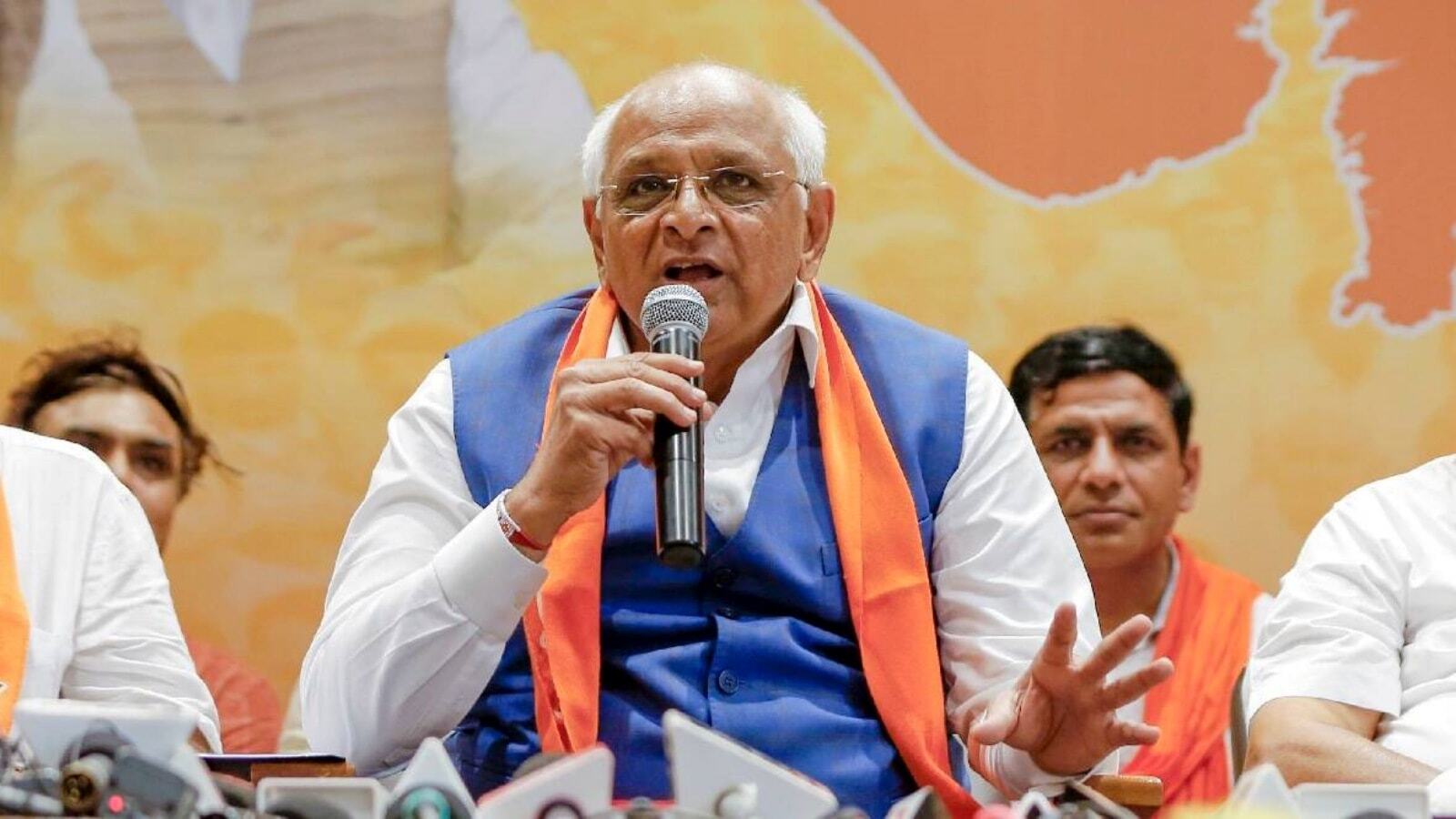
Aiming to accelerate infrastructure development, industrial growth, and public welfare projects, Gujarat Chief Minister Bhupendra Patel has substantially enhanced the financial powers of district collectors and district development officers to allot government land and gamtal (village site) plots, respectively.
The decision is expected to streamline land allotment processes across Gujarat, as land records and site details are readily available at the district level. The move will also eliminate the need for applicants to travel to the capital, Gandhinagar, to complete administrative procedures.

According to an official release issued Tuesday, the state government has consistently prioritised administrative reforms and procedural simplification to boost the “ease of doing business”.
Following the decision, the financial caps for district collectors allotting government land have been raised as follows:
State boards and corporations: Up to Rs 1 crore (increased from Rs 15 lakh) for allotting up to 2 hectares of land.
Central government Departments: Up to Rs 50 lakh (increased from Rs 15 lakh) for allotting up to 1 hectare of land for public purposes.
Cooperative housing societies: Up to Rs 50 lakh (increased from Rs 6 lakh).
Residential purpose (individuals/government employees): Up to Rs 20 lakh (increased from Rs 1 lakh).
Cooperative godowns and other institutions: Up to Rs 15 lakh (increased from Rs 3 lakh).
Commercial purpose (via auction): Up to Rs 5 lakh (increased from Rs 1 lakh)
Similarly, the financial limits for district development officers allotting plots have been expanded.
Cooperative housing societies: Up to Rs 7.5 lakh (increased from Rs 1.5 lakh).
Individual residential plots: Up to Rs 1 lakh (increased from Rs 20,000).
Milk cooperatives/cooperative godowns/rural grid: Up to Rs 1 lakh (increased from Rs 20,000).
Streamlining, revenue generation
The release noted that empowering district-level officials will significantly shorten administrative cycles, speed up execution of public and industrial projects, generate employment, and ensure faster deposit of premium amounts into the state treasury.
Under the revised rules, if an applicant fails to pay the possession price or premium within 90 days of notification, the district collector is now authorised to grant an extension up to the end of the three-year tenure of the district land valuation committee, reducing redundant administrative paperwork.

Stay updated with the latest – Click here to follow us on Instagram

