

5 min readNew DelhiJul 21, 2026 01:45 PM IST
The Madhya Pradesh High Court has granted anticipatory bail to a man booked for passing “objectionable remarks” against Lord Ram and Goddess Sita at a cultural event and said that, though his choice of words “may not be proper”, it couldn’t be said that he intended to hurt people’s religious sentiments.
The July 16 ruling stated, “From the video, it is clear that the applicant/poet has clearly stated that the inmates of Lanka or women of Lanka were discussing in such a way that Mata Sita would perish whole Lanka. In the context in which the aforesaid couplet (doha) was recited, the word selection may not be proper, but at this stage, it cannot be said that the applicant was intending to hurt the sentiments of the public or wanted to create any mischief, riot, affray or disharmony among the people based on religion.”

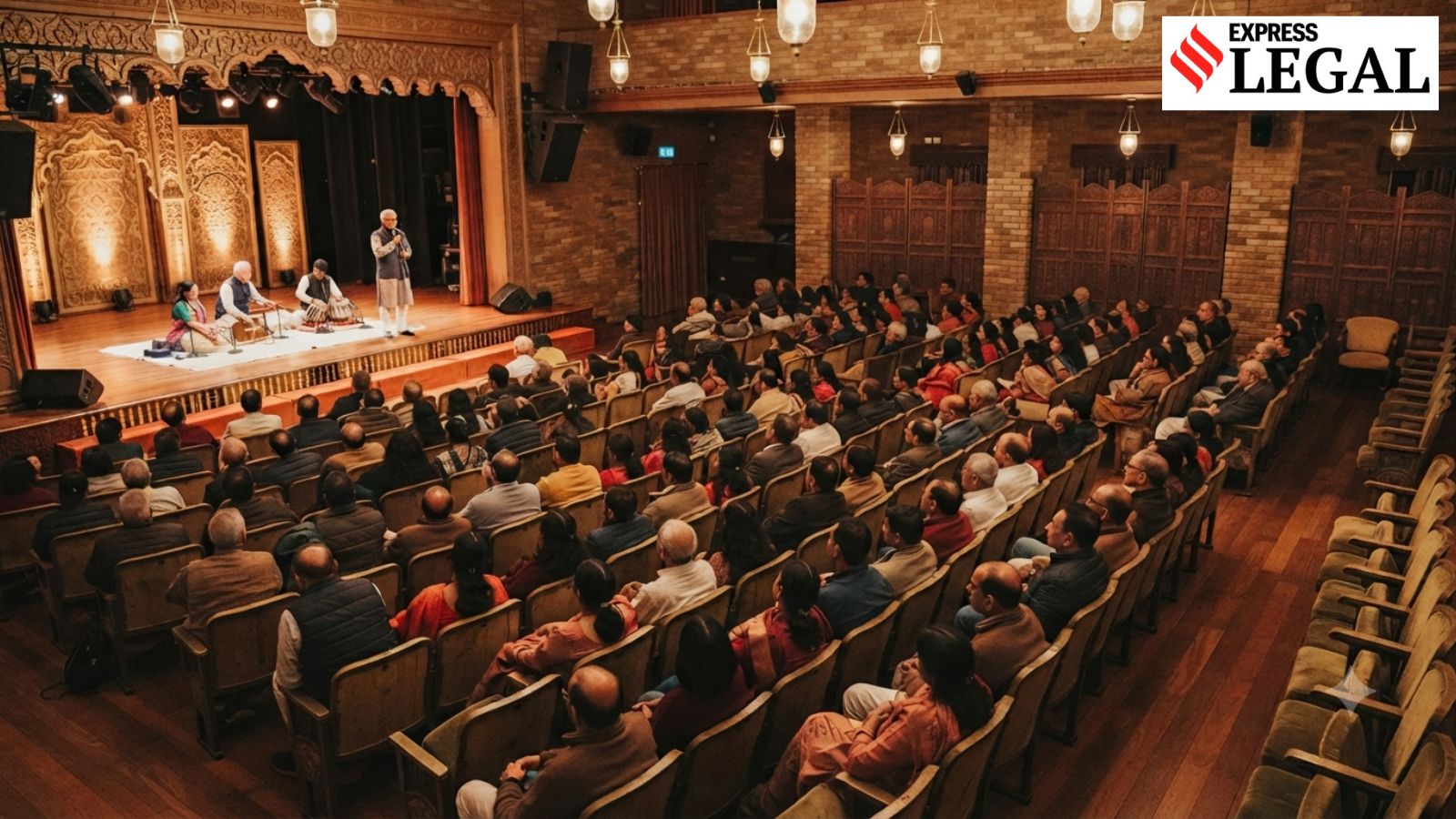
Justice Devnarayan Mishra was acting on the plea of one Sandeep Kumar, who had hosted the cultural event organised by a company U.S. Agro Seeds Company, this year. The court order noted that bhajan singer Shahnaz Akhtar had performed during the event while Kumar hosted the event.
During a break between the performances, Kumar recited a couplet while quoting two Lankan women’s “conversation about the abduction of Mata Sita”. The prosecution claimed that during the recital, he uttered disrespectful words against Ram and Sita while playing a video on his tablet.
Following the event, the Barghat Police Station in Seoni district booked Kumar for the offences of “promoting enmity through false or inflammatory statements” of the Bharatiya Nyaya Sanhita, 2023.
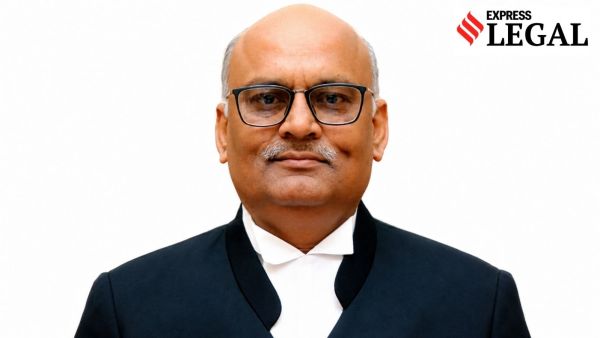 Justice Devnarayan Mishra said that the video showed the applicant stating that the women of Lanka were discussing that Mata Sita would bring destruction to the whole of Lanka. (Image enhanced using AI)
Defence: Remarks taken out of context
Appearing for the applicant, advocates Vishal V R Daniel and Apporva Singh Rajput submitted that the narration was based on a passage from the Ramcharitmanas and that Kumar intended to explain that Mandodari, the wife of Ravana, herself was frightened by the consequences of the abduction of Mata Sita.
The defence argued that although it was alleged Kumar had uttered the words “Sita nash karaegi” (Sita will bring destruction), he was in fact narrating the conversation of frightened residents of Lanka. It was further submitted that when objections were raised by certain persons during the programme, Kumar immediately apologised. According to the lawyers, a video recording also showed him publicly apologising and seeking pardon for the words spoken about Goddess Sita.
Story continues below this ad
The defense further argued that no offence was committed as it required “false information, rumours or alarming news” by a person, which was absent in the present case.
The state, however, said that Kumar had committed a serious offence and granting him anticipatory bail would send a “wrong message” to society, encouraging irresponsible statements, which could “hurt the sentiments of the majority community“.
Key findings
- The video showed the applicant stating that the inmates or women of Lanka were discussing that Mata Sita would bring destruction to the whole of Lanka.
- Referring to the context in which the couplet was recited about Goddess Sita, Justice Mishra observed that while the selection of words might not have been proper, it could not, at this stage, be said that Kumar intended to hurt public sentiments or create mischief, riot, affray or religious disharmony.
- After hearing the parties and perusing the record, the high court noted that the alleged offence is punishable with imprisonment for up to three years, a fine, or both.
- It also observed that if the matter were to be considered from the perspective of an offence under Section 196 of the Bharatiya Nyaya Sanhita, permission of the collector, the state government or the central government would be required.
- In view of the facts of the case and the law laid down in the Supreme Court judgments cited before it, the court found it appropriate to grant anticipatory bail without commenting on the merits of the case.
Allowing the application, the high court directed that in the event of his arrest, Kumar be released on anticipatory bail on a personal bond of Rs 50,000 with one solvent surety of the like amount, subject to the conditions under Section 482(2) of the Bharatiya Nagarik Suraksha Sanhita.

