

3 min readNew DelhiJul 16, 2026 10:57 PM IST
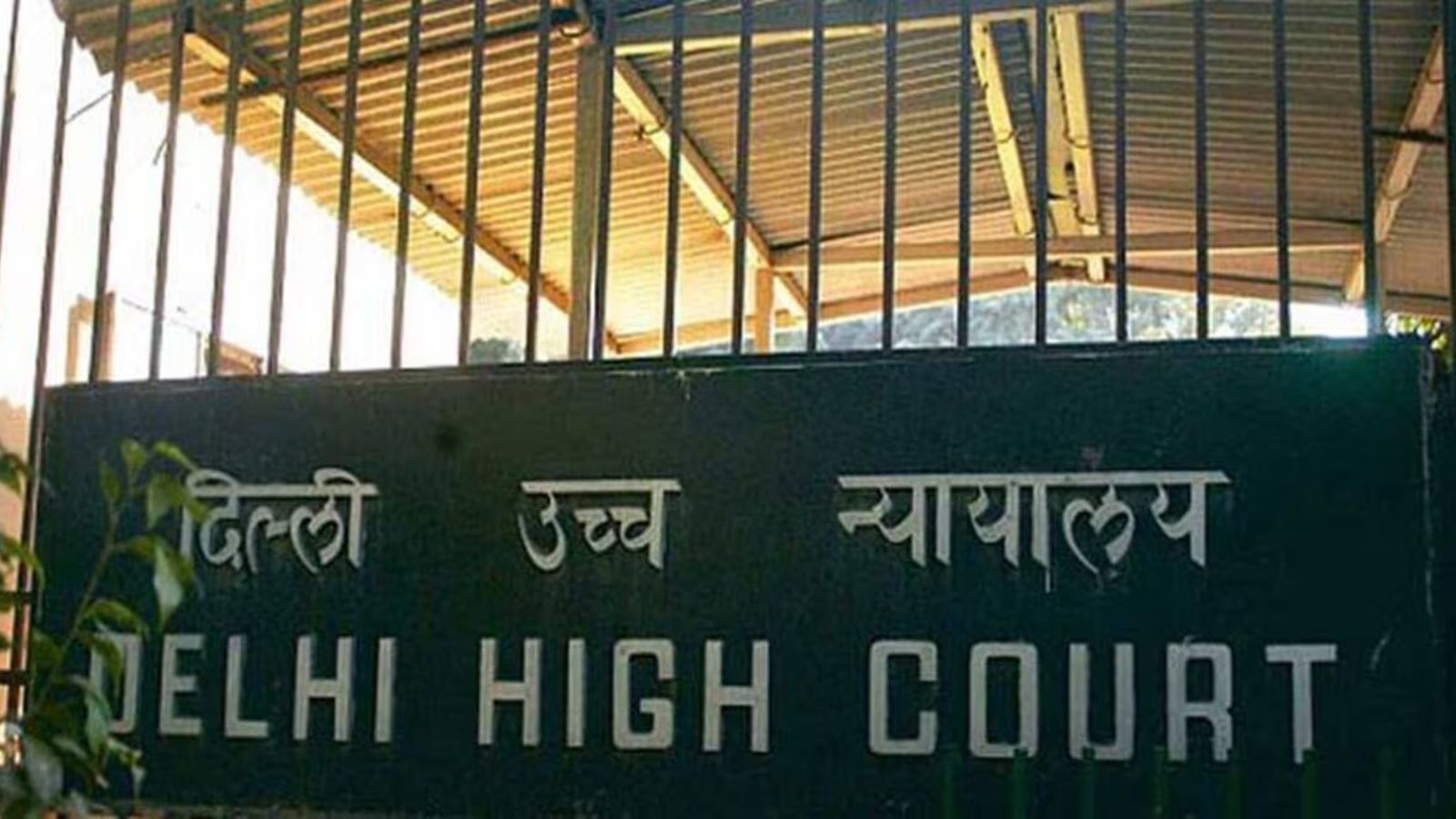
The Delhi High Court Bar Association (DHCBA) on Thursday suspended its call for abstention from work even as several lawyers, predominantly practicing intellectual property (IP) law, continued to flag concerns over the proposed enhancement of the pecuniary jurisdiction of Delhi’s district courts from the present Rs 2 crore to Rs 10 crore.
Pecuniary jurisdiction refers to the limit on the authority of a court to hear a case based on the monetary value of the matter in dispute. It ensures that a court that is lower in a hierarchy of courts cannot take up a case involving a property of value exceeding a specified ceiling or cap.

Lawyers from the High Court had abstained from appearing before courts for three consecutive days since July 14. The thaw in the abstention from work comes after the members of the association met Union Law Minister Arjun Ram Meghwal on Thursday. The DHCBA was also called upon and assured by Chief Justice DK Upadhyaya that their concerns, submitted as a representation, shall be considered.
Apart from flagging multiplicity of forums while pursuing litigation on the IP side if the pecuniary jurisdiction of district courts are increased, lawyers are also flagging the absence of specific data on IP-related litigation to justify the enhancement of pecuniary jurisdiction.
Senior advocate Swathi Sukumar, while speaking with reporters, emphasised that the justification for the hike in the pecuniary jurisdiction is “arbitrary” in the absence of data assessing the appreciation in the intellectual property value and their suits which come to courts, unlike commercial matters involving real estate disputes compared to earlier.
Lawyers are also apprehensive that with an enhanced pecuniary jurisdiction in district courts, dealing with IP-related matters can create “practical asymmetry in access to IP enforcement across jurisdictions” of High Court and district courts in Delhi.
Senior advocate J Sai Deepak told the mediapersons that the report submitted by the High Court of its proposal to the government has not been shared with the Bar. “The opinion of the full court with dissent from several judges, we have not got access to. So before the opinion is handed over to the government, we should at least have consideration of the report and a specific reconsideration of the points dissented over,” he said.
Story continues below this ad
Several senior advocates also have flagged a lack of in-depth consultation process, from various stakeholders in the Bar, including IP-specific concerns, even as the DHCBA was invited to provide its opinion which it had provided in writing to the full court.

Stay updated with the latest – Click here to follow us on Instagram

