


Close Menu
  • Home
  • Education
  • Health
  • National News
  • Politics
  • Relationship & Wellness
  • World News
What's Hot

Chandigarh hit-and-run: Speeding Mercedes hits 2 outside nightclub; driver flees

July 13, 2026

On way to Somnath, 6 of family killed in SUV-truck collision

July 13, 2026

A second pregnancy changes the brain in a different way from the first, new research suggests

July 13, 2026
Facebook X (Twitter) Instagram
Facebook X (Twitter) Instagram YouTube
Global News Bulletin
SUBSCRIBE
  • Home
  • Education
  • Health
  • National News
  • Politics
  • Relationship & Wellness
  • World News
Global News Bulletin
Home»Business»Japan does not use modern nails to repair centuries-old temples. Instead, master craftsmen rely on an ancient woodworking technique
Business

Japan does not use modern nails to repair centuries-old temples. Instead, master craftsmen rely on an ancient woodworking technique

editorialBy editorialJuly 12, 2026No Comments3 Mins Read
Facebook Twitter Pinterest LinkedIn Tumblr Email Telegram Copy Link
Japan does not use modern nails to repair centuries-old temples. Instead, master craftsmen rely on an ancient woodworking technique
Share
Facebook Twitter LinkedIn Pinterest Email Copy Link
Japan does not use modern nails to repair centuries-old temples. Instead, master craftsmen rely on an ancient woodworking technique
Japan does not use modern nails to repair centuries-old temples. Instead, master craftsmen rely on an ancient woodworking technique (Representational AI photo)

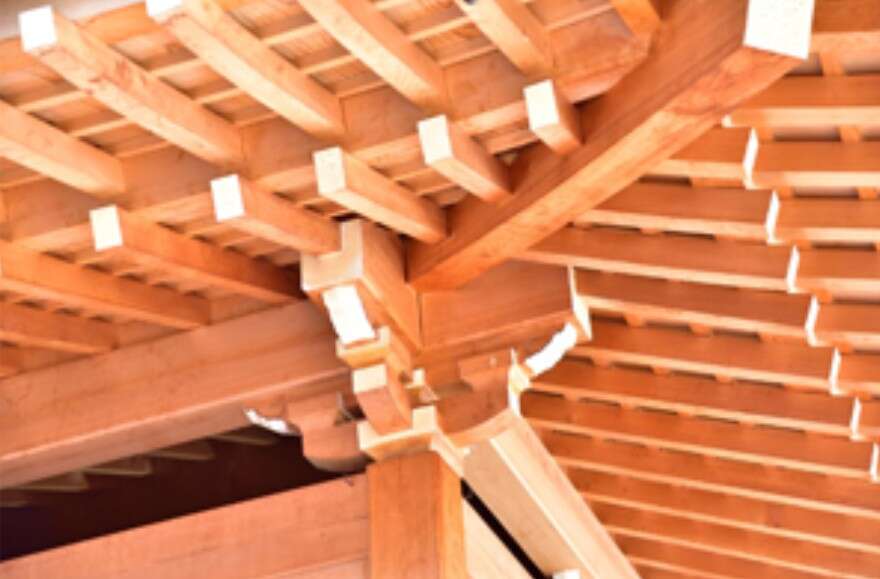
Centuries-old temples in Japan are still repaired without using modern nails, screws or metal brackets. In Japan, master carpenters instead continue to follow an ancient woodworking technique that has been passed down generations for more than 1,000 years.The method which is called kigumi involves carving wooden joints precisely so that they fit together like puzzle pieces. Beams, pillars and other parts of the structure are also shaped to lock into one another without the need for metal fasteners. This traditional technique is still used to restore some of Japan’s oldest temples and shrines. These structures have survived earthquakes, typhoons and changing weather for centuries.The craftsmen who carry out the work are known as miyadaiku or temple carpenters.

Why Japan avoids nails

The continued use of wooden joints is not just about preserving the tradition. The method also has practical advantages. Japan experiences humid summers, heavy rainfall, typhoons and frequent earthquakes. Metal nails rust over time as moisture enters the wood, weakening the joints and damaging the timber eventually. With wooden joints, however, the timber expands in humid weather and shrinks when the weahther is dry. This does not put too much pressure on the structure.It also helps the buildings withstand earthquakes as unlike rigid metal connections, traditional wooden joints move slightly during the seismic activity. The flexibility absorbs and spread vibrations across the structure, reducing the risk of serious damage during earthquakes. This is one reason many historic wooden temples have remained standing after repeated earthquakes.
.

Kigumi, a method of joining wood without using nails or metal fittings

Carved by hand

Making these joints requires years of skill and precision. Instead of cutting identical wooden pieces, miyadaiku study each piece of timber carefully. They examine the wood grain, natural curves and strength before deciding where it should be used in the building.Different joints also serve different purposes. For example, Tsugite connect two pieces of timber to create longer beams or pillars. Meanwhile shiguchi joints lock beams and pillars together at different angles to form the framework of the building, Ministry of Foreign Affairs of Japan details.Every joint also has to fit perfectly because even a small gap can weaken the structure. Most of these joints remain hidden inside the building, even though they are critical to its strength.

1,400-year-old tradition

Japan has more than 150,000 temples and shrines, many of them built using traditional wooden construction methods. Some of the country’s oldest temple carpenters trace their origins to the construction of Shitenno-ji Temple, which was founded in 593 AD.Becoming a miyadaiku takes years of apprenticeship. Carpenters pass on their knowledge to younger craftsmen. They teach them woodworking skills as well as how to understand the natural qualities of different types of timber.

.

The Yusuhara Wooden Bridge Museum

The craft is also valued for its sustainable approach. As wooden structures can often be taken apart, repaired and put back together without damaging the timber, individual components can be replaced without rebuilding the entire thing. This helps extend the life of the buildings and also reduces the waste.

Follow on Google News Follow on Flipboard
Share. Facebook Twitter Pinterest LinkedIn Tumblr Email
Previous ArticleFIFA World Cup 2026: Who are the referees for Argentina vs Switzerland quarter-final?
Next Article Why cracked heels are usually not a sign of zinc deficiency
editorial
  • Website

Related Posts

Chandigarh hit-and-run: Speeding Mercedes hits 2 outside nightclub; driver flees

July 13, 2026

A second pregnancy changes the brain in a different way from the first, new research suggests

July 13, 2026

Stock market this week: Q1 earnings, inflation data, Middle East tensions to keep D-Street volatile

July 12, 2026

Who are Jannik Sinner’s parents? Meet dad Johann and mom Siglinde

July 12, 2026

'Religion is outside our scope': Annamalai says 'We The Leaders' will become political party

July 12, 2026

AI engineer stabs girlfriend to death at Gurgaon PG, then kills self by jumping in front of train

July 12, 2026
Add A Comment
Leave A Reply Cancel Reply

Economy News

Chandigarh hit-and-run: Speeding Mercedes hits 2 outside nightclub; driver flees

By editorialJuly 13, 2026

The injured were identified as Amjad, a resident of Bapudham Colony, Sector 26, and Alliance…

On way to Somnath, 6 of family killed in SUV-truck collision

July 13, 2026

A second pregnancy changes the brain in a different way from the first, new research suggests

July 13, 2026
Top Trending

Chandigarh hit-and-run: Speeding Mercedes hits 2 outside nightclub; driver flees

By editorialJuly 13, 2026

The injured were identified as Amjad, a resident of Bapudham Colony, Sector…

On way to Somnath, 6 of family killed in SUV-truck collision

By editorialJuly 13, 2026

2 min readAhmedabadJul 11, 2026 10:02 PM IST Six persons – among…

A second pregnancy changes the brain in a different way from the first, new research suggests

By editorialJuly 13, 2026

Second pregnancy changes the brain in surprising new ways A woman’s brain…

Subscribe to News

Get the latest sports news from NewsSite about world, sports and politics.

Facebook X (Twitter) Instagram YouTube

News

  • Education
  • Health
  • National News
  • Relationship & Wellness
  • World News
  • Politics

Company

  • Information
  • Advertising
  • Classified Ads
  • Contact Info
  • Do Not Sell Data
  • GDPR Policy
  • Media Kits

Services

  • Subscriptions
  • Customer Support
  • Bulk Packages
  • Newsletters
  • Sponsored News
  • Work With Us

Subscribe to Updates

Get the latest creative news from FooBar about art, design and business.

© Copyright Global News Bulletin.
  • Privacy Policy
  • Terms
  • Accessibility
  • Website Developed by Plenary Media Solution

Type above and press Enter to search. Press Esc to cancel.