

4 min readNew DelhiUpdated: May 26, 2026 06:12 PM IST
The Delhi High Court Tuesday vacated the stay on eviction proceedings against the Delhi Race Club.
Allowing an appeal by the Centre which had challenged the stay ordered by a single judge, Chief Justice D K Upadhyaya and Justice Tejas Karia reasoned that “nothing has been considered by the… Single Judge in respect of a prima facie case, irreparable loss, and balance of convenience while passing the impugned order” staying the action by the Ministry of Housing and Urban Affairs (MoHUA).

“… what we notice is that the learned Single Judge, while passing the impugned order after discussing the respective cases of the parties, only observed that looking at the chequered history of the previous litigation and in the peculiar facts and circumstances of the case, the matter requires consideration and, thereafter, without giving any reason, even for namesake, directed that the Estate Officer shall not proceed further with the show-cause notice…,” the court said.
“… Such a course, in our opinion, was not available to the learned Single Judge for passing the interim order, which has impacted the valuable right of the appellants to invoke the statutory right… without giving reasons and… a finding…,” the division bench noted.
The single judge, in its April 24 order, had stayed further proceedings before the Estate Officer in relation to a show cause notice on April 17, under Section 4 of the Public Premises (Eviction of Unauthorised Occupants) Act, 1971, issued by the MoHUA to the Club.
In its show cause notice, the Ministry had sought the Club’s response on why an order of eviction should not be made under provisions of the PP Act.
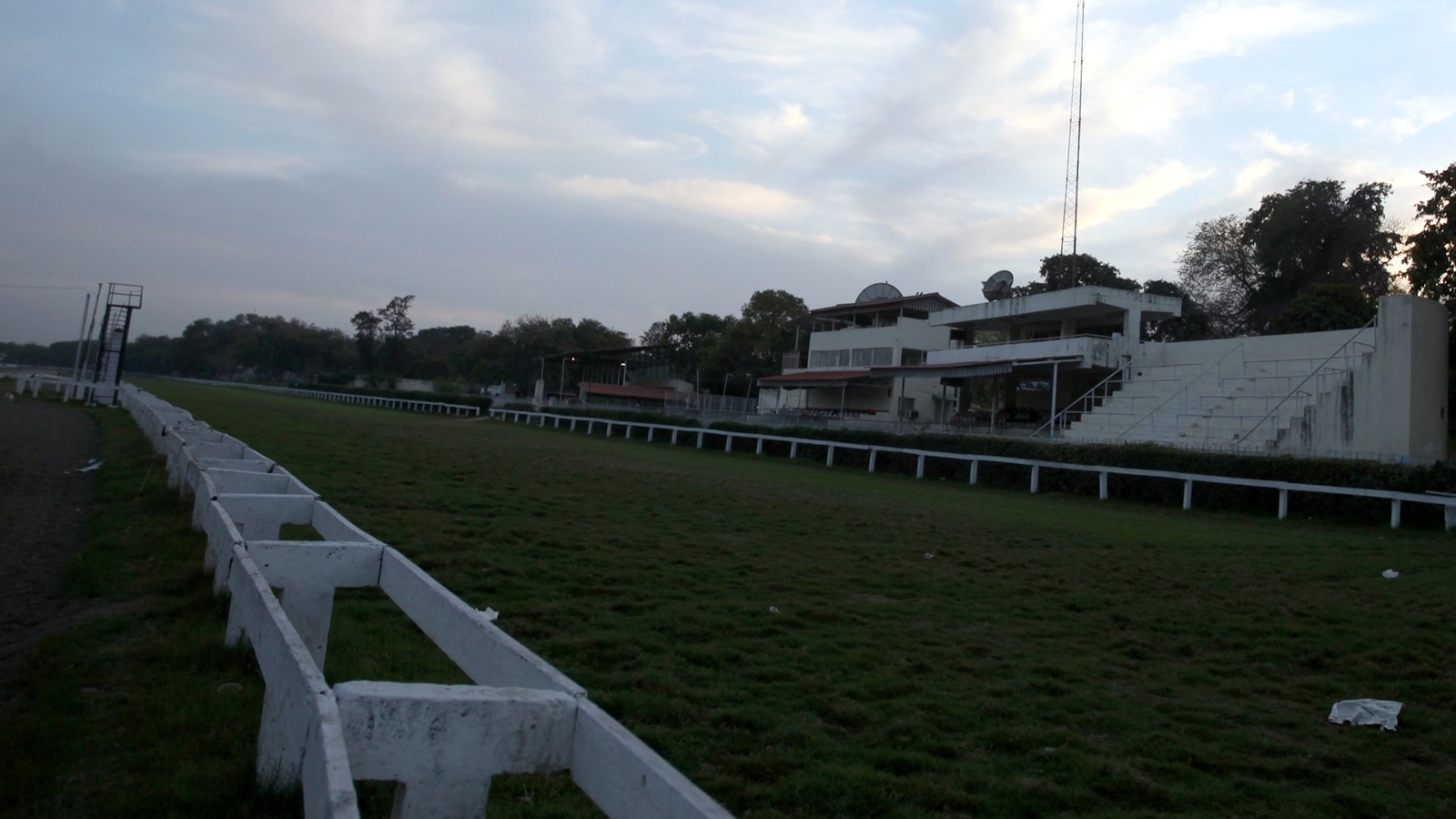
The Club, which has been in possession of the land since 1926, was issued a showcause notice by the government for re-entry in 1999. Following a legal challenge to this, the notice was set aside by the Delhi HC in 2012.
Story continues below this ad
While the Club contended that its lease stood renewed after payment of pending dues — Rs 3.48 crore — in 2013, the Centre, through Additional Solicitor General (ASG) Chetan Sharma and central government standing counsel Ashish Dixit, had disputed the Club’s claim. It contended that this was not acceded to “in view of the requirement of the subject land for government/public purposes, including defence and security considerations,” and, accordingly, no further extension/renewal of the lease was granted in favour of the Club.
The division bench observed, “It is settled law that this Court, while passing interim orders even while exercising its extraordinary jurisdiction under Article 226 of the Constitution of India, is under an obligation to conform to the legal principle governing the grant of an interim order, which requires adjudication to be made regarding a prima facie case, balance of convenience and irreparable loss.”
Relying on a Delhi HC order, the court also observed that “unauthorised occupation” under the PP Act is not to be confined to only a person who is found to have occupied any public premises without lawful authority, “but it needs to be extended to those occupants whose occupation was initially permissible at the inception, but subsequently ceased to be authorised.”
“… on the basis of the lease, the (Club) was validly in occupation and possession of the subject land; however, once the term of the lease had expired way back in the year 1994, such occupation ceased to be authorised in terms of the provisions of the PP Act,” the division bench held.
Story continues below this ad
Noting that eviction of such unauthorised occupants under provisions of the PP Act is a “statutory vested right available” with the government, the division bench also observed that the single judge’s stay, “in our opinion, impacts the available statutory right…”
“… if any authority resorts to such statutory recourse, it cannot be said that such recourse would amount to misuse or abuse of the process of law or is premeditated,” the division bench further reasoned.
“Prima facie, the subject premises is a public premises and the respondent is unauthorised occupant within the meaning of the said expression occurring in PP Act… recourse under Section 4 of the PP Act has been taken by (MoHUA), it cannot be said that such process is not in accordance with due process of law,” it recorded.

© The Indian Express Pvt Ltd

