
Close Menu
  • Home
  • Education
  • Health
  • National News
  • Politics
  • Relationship & Wellness
  • World News
What's Hot

Nalanda University uses Ramayana, Mahabharata for lessons on diplomacy, conflict

May 26, 2026

'Share traits of destruction': Mallikarjun Kharge on PM Modi and Donald Trump's 'mutual appreciation'

May 26, 2026

Don’t disrupt operations until there is clarity, Delhi Gymkhana Club writes to Centre

May 26, 2026
Facebook X (Twitter) Instagram
Facebook X (Twitter) Instagram YouTube
Global News Bulletin
SUBSCRIBE
  • Home
  • Education
  • Health
  • National News
  • Politics
  • Relationship & Wellness
  • World News
Global News Bulletin
Home»Business»'Dark transit': How Gulf producers keep energy shipments moving despite Hormuz closure
Business

'Dark transit': How Gulf producers keep energy shipments moving despite Hormuz closure

editorialBy editorialMay 26, 2026No Comments3 Mins Read
Facebook Twitter Pinterest LinkedIn Tumblr Email Telegram Copy Link
'Dark transit': How Gulf producers keep energy shipments moving despite Hormuz closure
Share
Facebook Twitter LinkedIn Pinterest Email Copy Link
'Dark transit': How Gulf producers keep energy shipments moving despite Hormuz closure

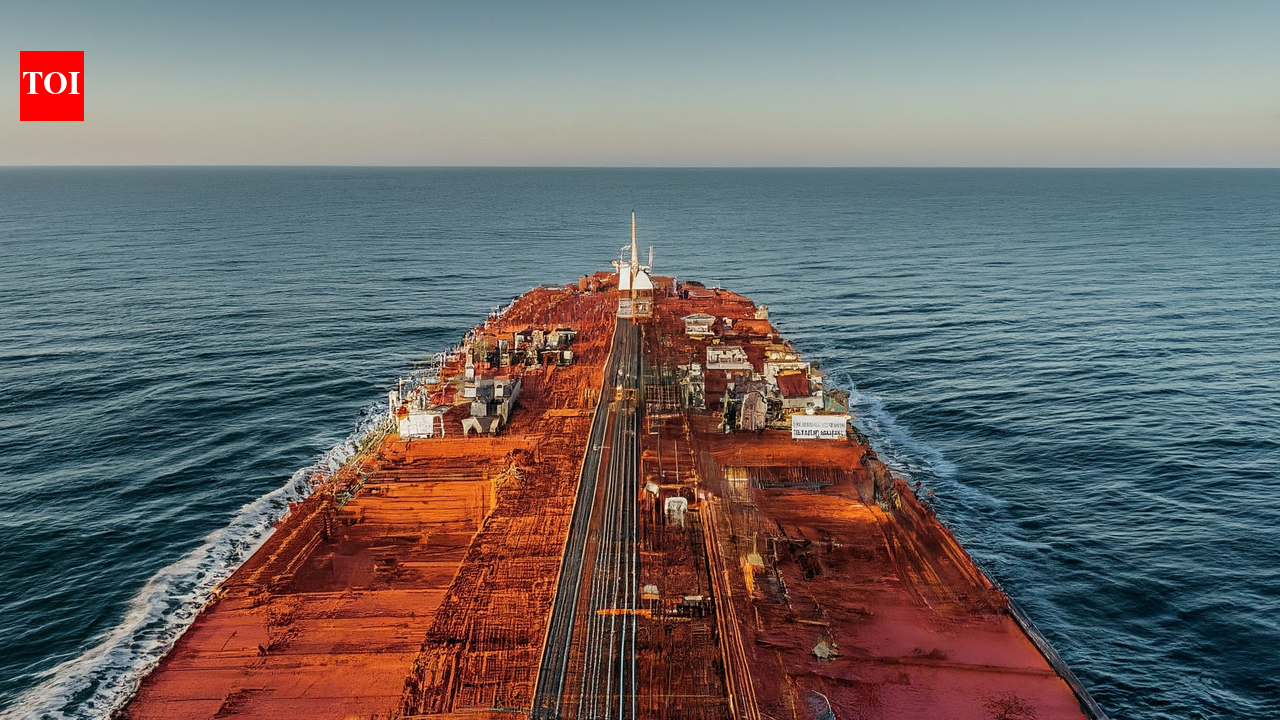
As the ongoing conflict in the Middle East tightens pressure on global energy supply routes, oil giants from UAE and Qatar are turning to unconventional shipping tactics to move its oil and gas out of the Persian Gulf to nations that need energy.Adnoc is navigating one of the world’s most sensitive maritime corridors, the Strait of Hormuz, where Iranian forces and US naval patrols operate in close proximity amid escalating regional tensions. According to ship-tracking data and people familiar with the matter cited by Bloomberg, the UAE state energy firm has relied on so-called “dark transits.”What are dark transits?Dark transits are journeys in which vessels switch off transponders while passing through the Strait of Hormuz, allowing tankers to avoid real-time detection. The tactic has so far helped maintain export flows during periods of geopolitical risk.Unlike many regional producers and commodity traders that depend on chartered vessels, Adnoc has leaned on its own controlled fleet, including ships operated through Navig8, majority-owned by its shipping and logistics arm, and its joint venture with Wanhua Chemical Group. The fleet includes crude carriers, refined product tankers and gas transport vessels, giving the company greater operational flexibility.Industry sources say this structure has allowed Adnoc to sustain relatively efficient cargo movements even as others face constraints linked to shipowners’ risk appetite. Qatar has also continued exports through Hormuz, highlighting a broader pattern of Gulf producers adapting to volatile conditions in one of the world’s most critical energy corridors.One LNG tanker, Al Rayyan, was recently tracked north of Muscat after passing through the strait, en route to China, though it had briefly stopped transmitting near Qatar’s Ras Laffan facility earlier in the month, according to vessel data. Such intermittent signal loss has become more common as ships adopt stealth navigation practices.Adnoc’s strategy also includes short-cycle “shuttle runs”, where vessels quickly return after deliveries to reload cargoes, helping maximise throughput from terminals such as Zirku Island and the Ruwais refinery complex. Ship-to-ship transfers are also reportedly conducted in safer waters near Fujairah or Sohar, or onward toward India’s west coast.Also read: Saudi Arabia emerges as Gulf’s key trade route as Iran war blocks Hormuz straitWhat about LNG inflows?For LNG operations, similar discreet movements have been observed. Tankers are said to approach the Strait near Fujairah before disabling tracking systems en route to Das Island, Adnoc’s key export hub inside the Gulf. Satellite imagery suggests continued activity at the facility, despite limited broadcast data from vessels.Analysts cited by Bloomberg said that the approach reflects both strategic urgency and logistical necessity, as storage constraints and geopolitical uncertainty push producers to keep exports moving. However, the scale of such shipments remains below pre-conflict levels, particularly in LNG trade, where only a handful of crossings have been confirmed in recent months compared with normal daily flows.The reliance on low-visibility navigation also complicates verification of cargo routes, with vessels potentially choosing alternative corridors or passing through Iran-influenced waters where informal arrangements may apply.Despite this opacity, the pattern highlights how producers are adapting to keep critical energy supplies flowing through the Strait of Hormuz, even as diplomatic negotiations continue to shape the broader security outlook in the region.Also read: Iran demands release of $12 billion frozen in Qatar before advancing US talks

Follow on Google News Follow on Flipboard
Share. Facebook Twitter Pinterest LinkedIn Tumblr Email
Previous ArticleWhy Gen Z is choosing to ‘micro detach’ from modern pressures
Next Article ‘Government-created crisis’: Opposition slams fuel price hike
editorial
  • Website

Related Posts

'Share traits of destruction': Mallikarjun Kharge on PM Modi and Donald Trump's 'mutual appreciation'

May 26, 2026

US Immigration authority issues clarification for H-1B visa holders and high-skilled workers on changes in Green Card policy; says: People who present applications that provide …

May 26, 2026

Major blow to AIADMK: 3 MLAs from Shanmugam–Velumani faction resign

May 26, 2026

'Give him time to splash some water on face': Sunil Gavaskar on Rishabh Pant using 'F' word on live TV

May 26, 2026

Uganda detects two new Ebola cases in Kampala health facility; total cases rise to 7

May 26, 2026

Delhi court convicts Alka Lamba in 2024 Jantar Mantar protest case

May 26, 2026
Add A Comment
Leave A Reply Cancel Reply

Economy News

Nalanda University uses Ramayana, Mahabharata for lessons on diplomacy, conflict

By editorialMay 26, 2026

How would Lord Rama have positioned India in context of current world order? What advice…

'Share traits of destruction': Mallikarjun Kharge on PM Modi and Donald Trump's 'mutual appreciation'

May 26, 2026

Don’t disrupt operations until there is clarity, Delhi Gymkhana Club writes to Centre

May 26, 2026
Top Trending

Nalanda University uses Ramayana, Mahabharata for lessons on diplomacy, conflict

By editorialMay 26, 2026

How would Lord Rama have positioned India in context of current world…

'Share traits of destruction': Mallikarjun Kharge on PM Modi and Donald Trump's 'mutual appreciation'

By editorialMay 26, 2026

Congress president Mallikarjun Kharge (File photo) NEW DELHI: Congress president Mallikarjun Kharge…

Don’t disrupt operations until there is clarity, Delhi Gymkhana Club writes to Centre

By editorialMay 26, 2026

3 min readNew DelhiUpdated: May 26, 2026 11:40 AM IST The General…

Subscribe to News

Get the latest sports news from NewsSite about world, sports and politics.

Facebook X (Twitter) Instagram YouTube

News

  • Education
  • Health
  • National News
  • Relationship & Wellness
  • World News
  • Politics

Company

  • Information
  • Advertising
  • Classified Ads
  • Contact Info
  • Do Not Sell Data
  • GDPR Policy
  • Media Kits

Services

  • Subscriptions
  • Customer Support
  • Bulk Packages
  • Newsletters
  • Sponsored News
  • Work With Us

Subscribe to Updates

Get the latest creative news from FooBar about art, design and business.

© Copyright Global News Bulletin.
  • Privacy Policy
  • Terms
  • Accessibility
  • Website Developed by Plenary Media Solution

Type above and press Enter to search. Press Esc to cancel.