

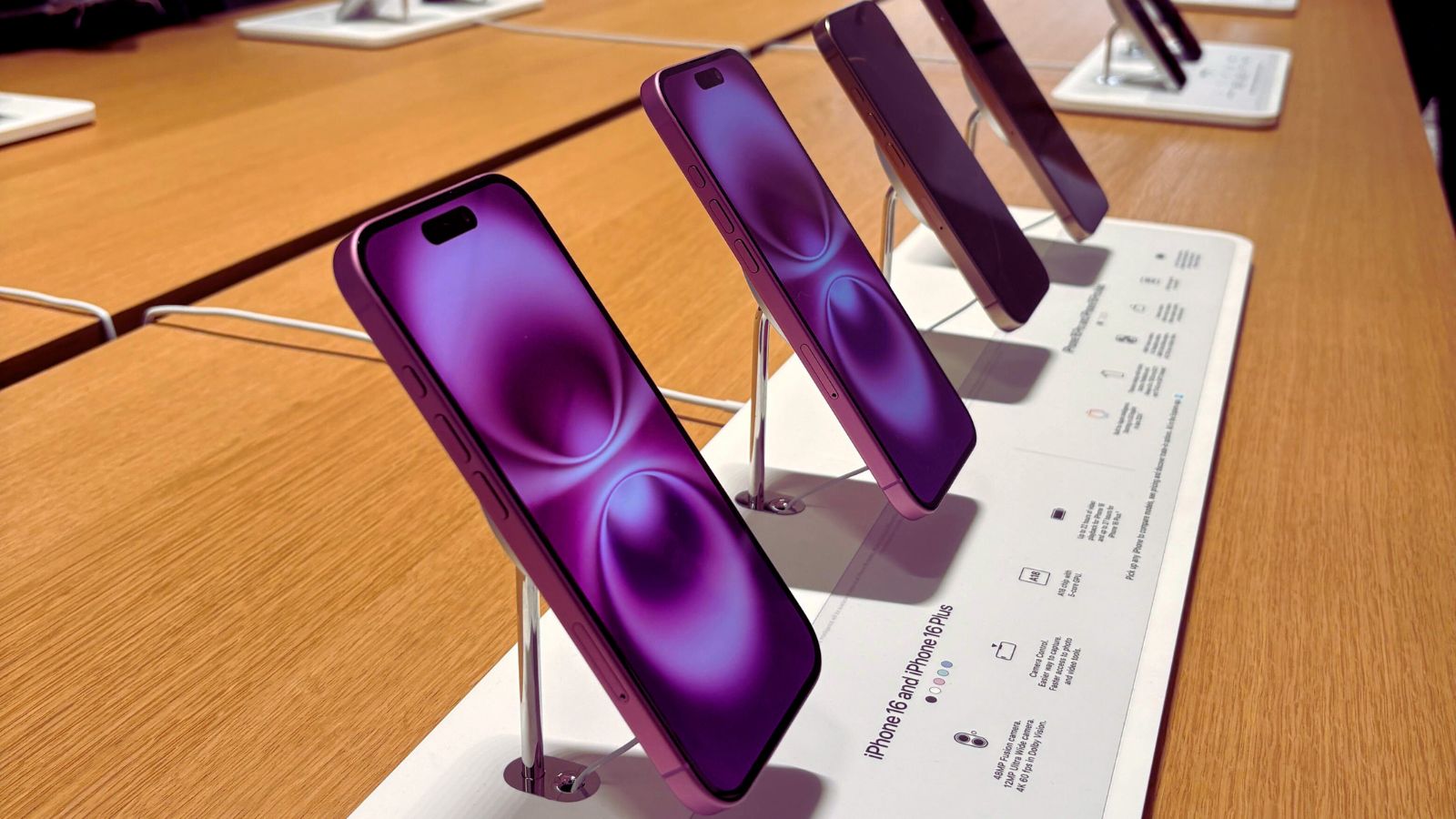
Every week, I follow a rule: I pick one item from my massive vintage tech collection, check whether it’s working or needs repair, and write a short note on how it shaped the tech landscape. While cleaning my closet recently, I happened to find the first iPhone, something I thought I had lost right as Apple turned 50. It brought back memories of buying it in New York for just $20 in used condition back in 2017. I consider it my best purchase ever.
Over the years, I have added several Apple products to my collection, from vintage Macs and iPods to accessories, some of which are rare and difficult to find elsewhere. Yet, the first iPhone stands out as a product with a transporting quality; it sums up what Apple truly represents. Perhaps not surprisingly, the iPhone represents the best of Apple in a single product — one that continues to profoundly influence modern technology, even though its foundation was laid years ago. I still find the same quality in the iPhone Air, which has been my primary phone ever since it launched last year.

Why Apple is Apple today — and how it has retained its mindset — has a lot to do with what founder Steve Jobs wanted Apple to be. Jobs left the company in 1985 and didn’t return until 1997. But Jobs established the company’s emphasis on industrial design. In fact, many say Jobs prioritised design over technology. This goes back to the 1980s when Jobs deeply cared about design, which allowed him to differentiate his company’s products from the PCs of the day, which often looked little evolved from hobbyist boxes.
Although Apple made many products (many considered classics, and several failed along the way), the iPhone is considered the crown jewel in Cupertino’s sprawling empire. It’s almost absurd to think that Apple had no prior experience designing phones, no trained engineers, no designers with cellular expertise, and no contacts in the cellular industry. Initially, Apple had wanted to make a tablet, a real tablet with no stylus, supporting multi-touch displays, and running Mac OS X.
The team had different ideas, and the easiest way seemed to be adding phone features to the iPod. But Jobs being Jobs, put the tablet project on hold, and work on the iPhone began. This was also a time when all kinds of phones existed: Slider phones, flip-to-open phones, QWERTY keypads, you name it. Jobs, however, had a different approach to making a phone. Instead of hardware, he wanted to focus on software. There was an idea of how to fit a computer in your pocket.
With the help of talented designers, Jobs helped abandon non-intuitive user interfaces in favour of something simple and easy to use.
Once Jobs unveiled the iPhone in 2007, the way the world viewed a tech product completely changed. The iPhone revolutionised how we use phones even today, thanks to UI features like Slide-to-Unlock. For the first time, a phone was appreciated for its industrial design. After that, there was no looking back for Apple.
Many consider the iPhone to be a gorgeous piece of technology, but it was more than that. It was a display of innovation, from the reimagined user interface with no buttons to the way users interact with a single piece of glass. It also introduced a central repository for discovering new applications. The influence of the App Store, which launched in July 2008 to support the iPhone 3G’s release a few months before Android’s own marketplace debuted, is no small feat. The Ubers, Snapchats, and millions of other apps wouldn’t exist without smartphones, and the iPhone was and remains the foundation of the category.
Looking back, the first iPhone may not seem advanced, but it represented a tremendous amount of work to make something easy to use — and no company has proven the principles of human interface design more convincingly than Apple. Jobs, alongside his frequent collaborator and industrial designer Jony Ive, pushed hard to design a product that wasn’t the device customers thought they wanted — it was about the user experience: How a single product could bring information to a mobile screen, provide services and apps, and offer the ability to edit spreadsheets and documents, watch videos, send emails and texts, play games, and take photographs—all in the palm of your hand.
The iPhone changed a lot in the industry. A design-led approach was virtually unheard of before the iPhone. Apple’s engineers and designers developed new technologies and helped shape the company’s product design process. It was a complete shift: Apple brought marketing, engineering, and user-experience teams together. One result of that focus is Apple’s ability to create products with emotional value, a strategy that has worked well for the company.
Today, Apple makes billions of dollars from a single device that has shaped modern technology and pop culture. For me, though, the iPhone is Apple’s biggest comeback story. But as Apple enters its second half-century, questions about its future are emerging. Wall Street and consumers are looking for the next iPhone moment, and the question is whether Apple is ready.
Even though Apple is aggressively pushing the iPhone in emerging markets like India, it has already peaked as a consumer product. Over the years, Apple has marginally upgraded the iPhone, but there haven’t been any sweeping design changes like those that once defined the device in its heyday.
Sure, the iPhone remains iconic and has spawned an entire ecosystem of products like the Apple Watch and AirPods, all hinging on the iPhone’s popularity. But Apple is now at a point where it needs to decide whether it wants to continue selling the iPhone for the next 50 years or pivot to something else — a new product category where it has struggled to find a successor to the iPhone.
The writer is assistant editor, Indianexpress.com. anuj.bhatia@indianexpress.com

